

Coating rack for coastal air
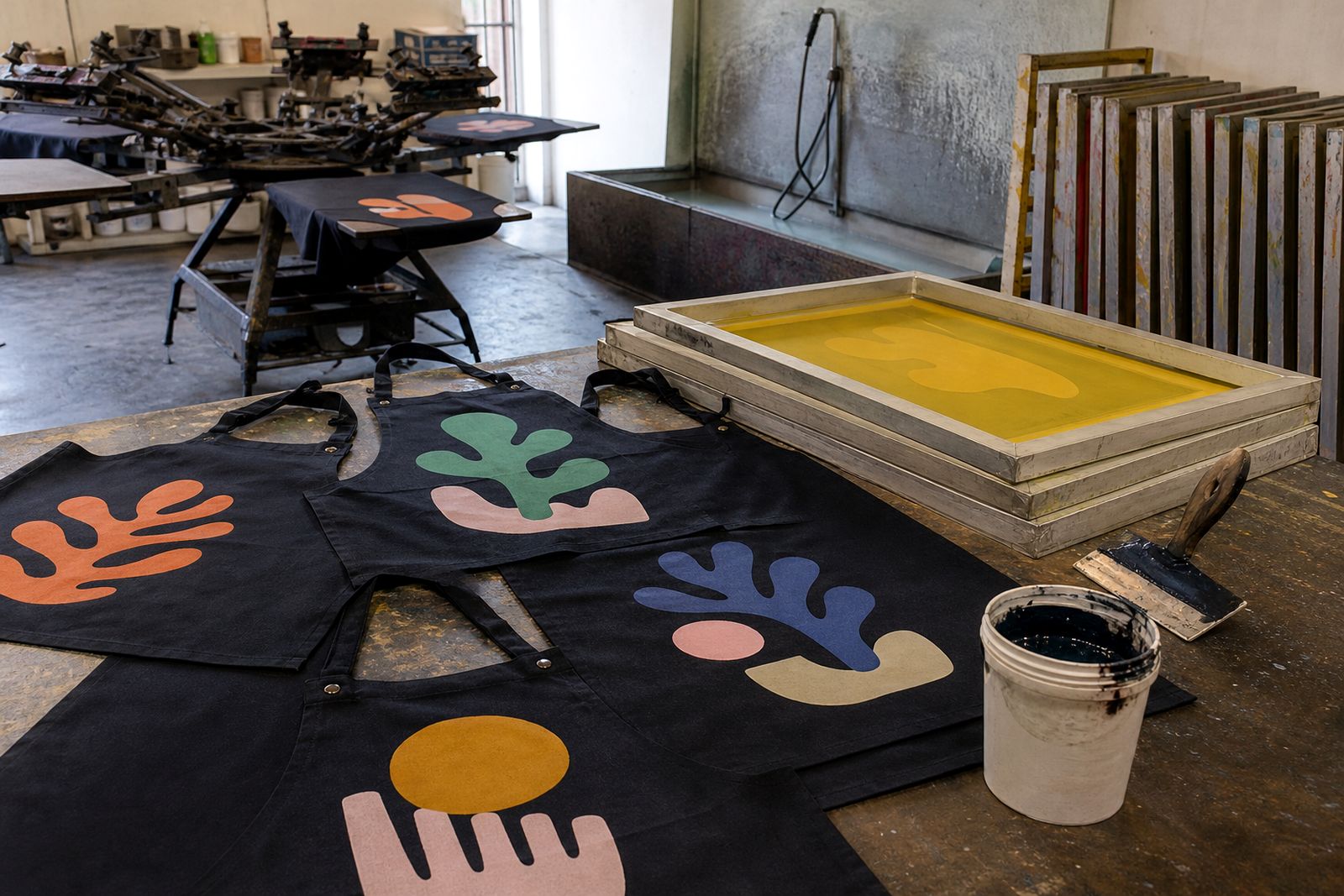
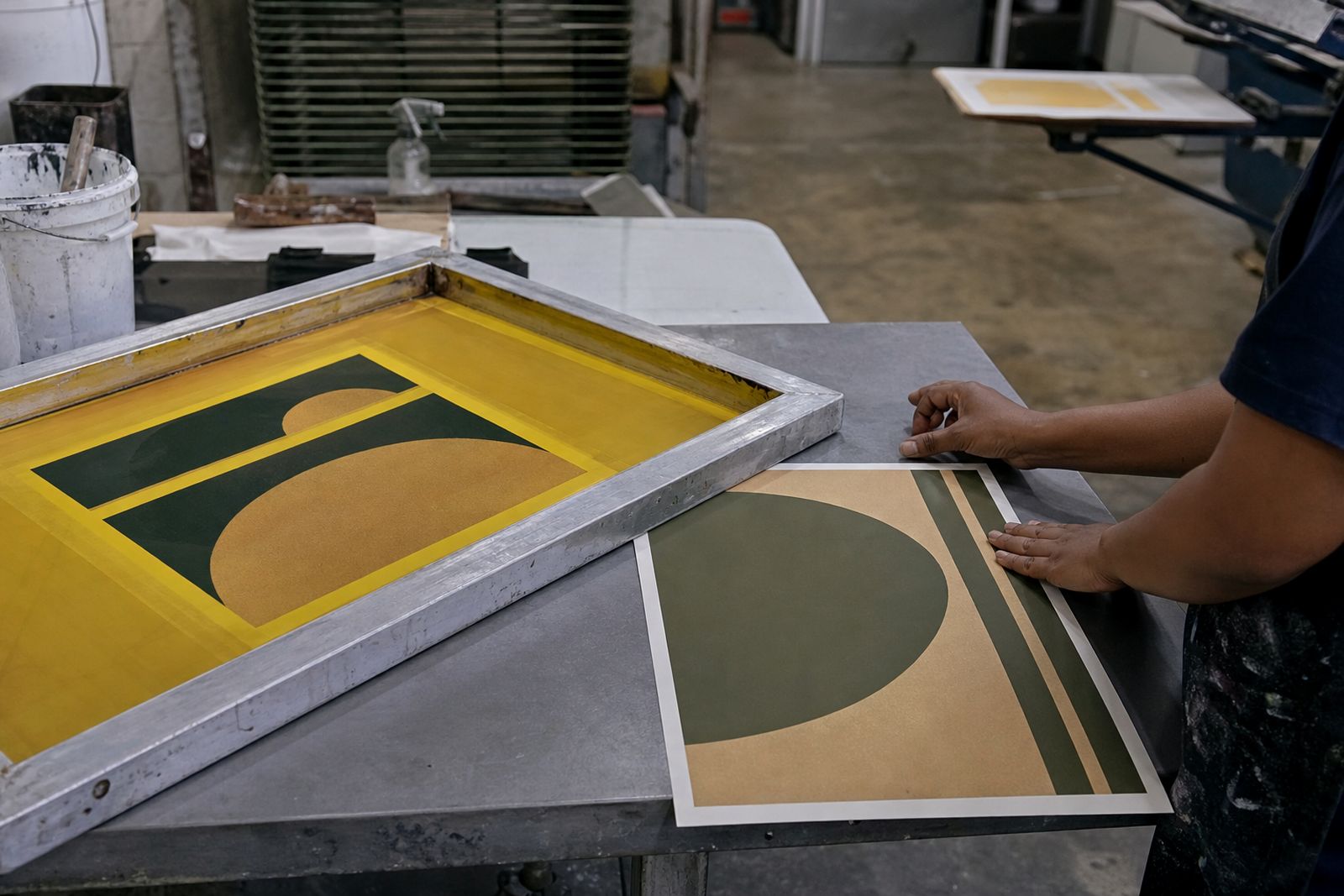
Coating rack drying honest in coastal air.

What coastal drying changes
Coastal air can slow drying, hold moisture in the mesh and make coating behave differently from a dry inland room. For screen print rooms on the coast, the stencil has to cope with humidity, washout timing and the way ink sits during production. That is why the conversation starts with the print, the substrate and the ink system before anyone talks about exposure.
Screen Stencil works with dual-cure, diazo and SBQ emulsions, plus capillary film where the job calls for it. We also look at mesh count, mesh tension, frame condition and whether the screen was coated with a scoop coater in a steady, even pass. If the sample is for garment, poster or sign work, the mesh and stencil choice need to suit the detail, coverage and production pace.
What to check on a coastal screen
Coastal humidity can show up as poor drying, soft edges, pinholes, washout issues or haze that takes longer to clear. Exposure settings matter too, especially if the lamp has aged or the exposure unit has changed. Power cuts can shift timing and make a previously reliable setup act differently, so it helps to check how the screen was exposed and whether the result matched the intended stencil thickness.
We also look at reclaim and touch-up. A screen that was not cleaned down properly can leave haze or residue that affects the next image. If the sample suggests a problem, send site photos through the contact form and mention the gallery title, so the right stencil notes can be matched to the job.
How we help screen rooms work through it
Our team talks through the whole stencil chain, from frame choice and mesh preparation to washout, pinholes, reclaim and final use. We cover plastisol, waterbase and discharge inks, because each one asks different things of the stencil. For South African print rooms, that conversation often includes coastal humidity, dry Highveld air and the realities of power cuts.
- dual-cure, diazo and SBQ emulsion options
- capillary film for fine detail and consistent stencil build
- mesh counts, tension and frame condition
- coating technique, exposure, washout and haze removal
- garment, poster and sign work in real production conditions
What our Screen Stencil customers say
Verified Google reviews


Tell us what you are printing
Send a note through our contact form with the inks and substrates you print, your mesh counts and frame sizes, your exposure unit and your town, and we will come back with practical advice and a quote.
Open the contact form