

Screens
Screen Stencil screen notes give practical starting points for garment, poster, packaging and rush work.
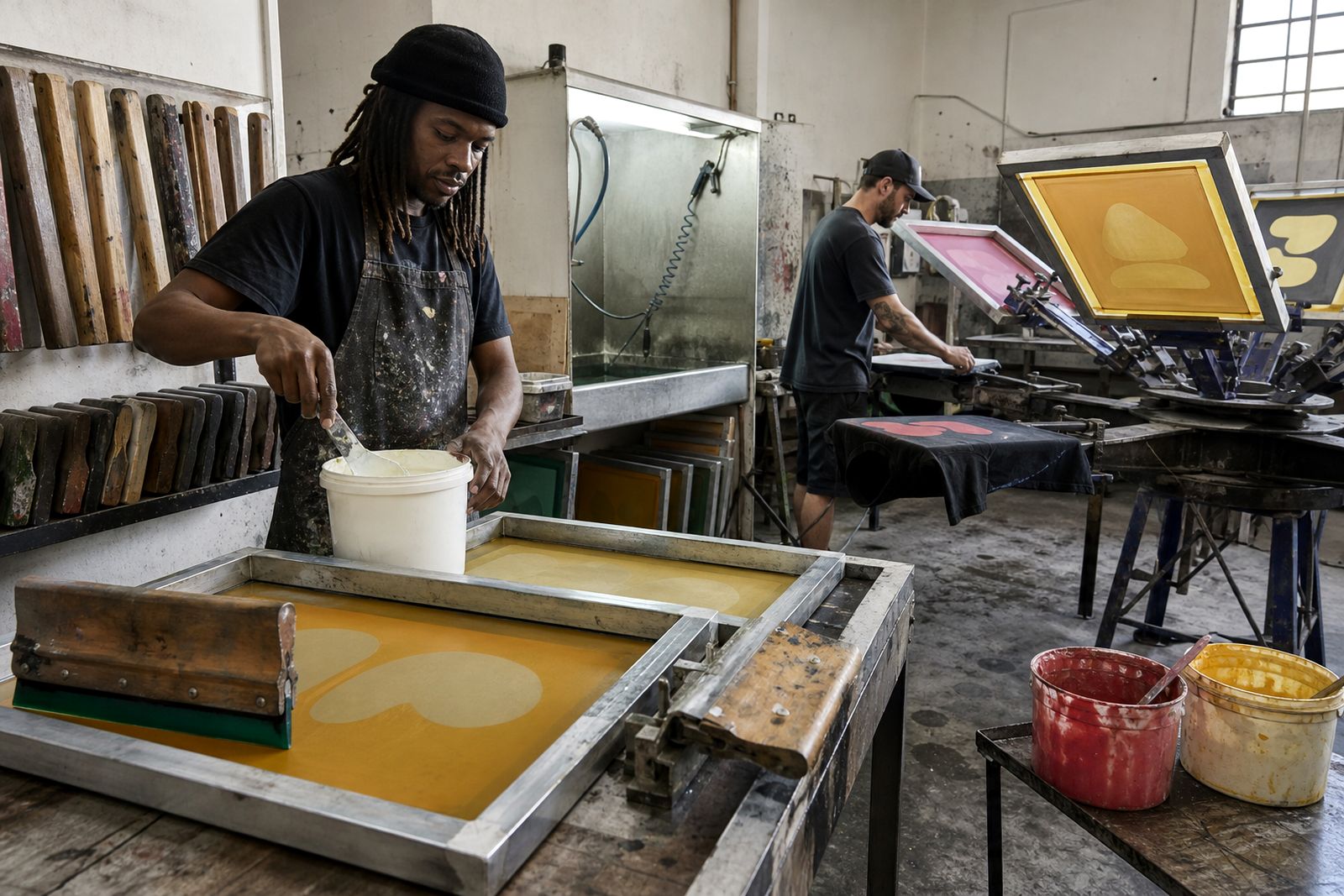
Who these screens suit
These steps help screen print rooms that need a practical starting point for real jobs, not theory. They suit garment printers, poster and sign shops, packaging teams, and anyone juggling rush work, short runs, or repeat orders with different substrates.
Use them to compare what changes between dual-cure, diazo and SBQ emulsions, when to reach for capillary film, and how mesh count and tension affect detail, ink deposit and release. If you are working in coastal humidity, dry Highveld air, or a shop that has to plan around power cuts, the same basics still apply, but the timing and handling need more care.
For local support, Screen Stencil works from a stencil studio in Salt River, Cape Town, and serves South African print rooms through showrooms in Tyger Valley, Clearwater, Cresta, Pavilion, Baywest, Mimosa and Riverside.
What to check before a run
Before a run, make sure the frame is sound, the mesh is clean and tensioned, and the coating is even on both sides. Aluminium and timber frames behave differently, so keep the frame choice consistent with the kind of work you are doing and the number of impressions you expect.
Check the coating rhythm, scoop coater angle, and drying conditions before exposure. A lamp that has aged, poor exposure timing, or trapped moisture can all show up later as soft stencils, pinholes, washout trouble or weak edges. If the shop has power cuts, plan the exposure sequence and drying time so the stencil is ready when the power is back.
- Mesh and tension for the image detail and ink system
- Emulsion or capillary film matched to the job
- Exposure and lamp condition before running screens
- Washout, pinholes and touch-up before the press starts
Aftercare and the next run
Good stencil work does not end at exposure. Reclaim and haze removal matter when you want a clean mesh for the next job, especially on shops that move between plastisol, waterbase and discharge inks. A steady reclaim rhythm helps keep screens ready for garment, poster and sign work without building up residue.
If a run needs a different mesh count, a heavier ink deposit, or a more open stencil, it helps to talk through the full chain from artwork to reclaim. Send site photos and job notes through the contact form and ask for a quote. For more related use-case guides, see garment print house, poster edition studio and packaging sample.
Screens
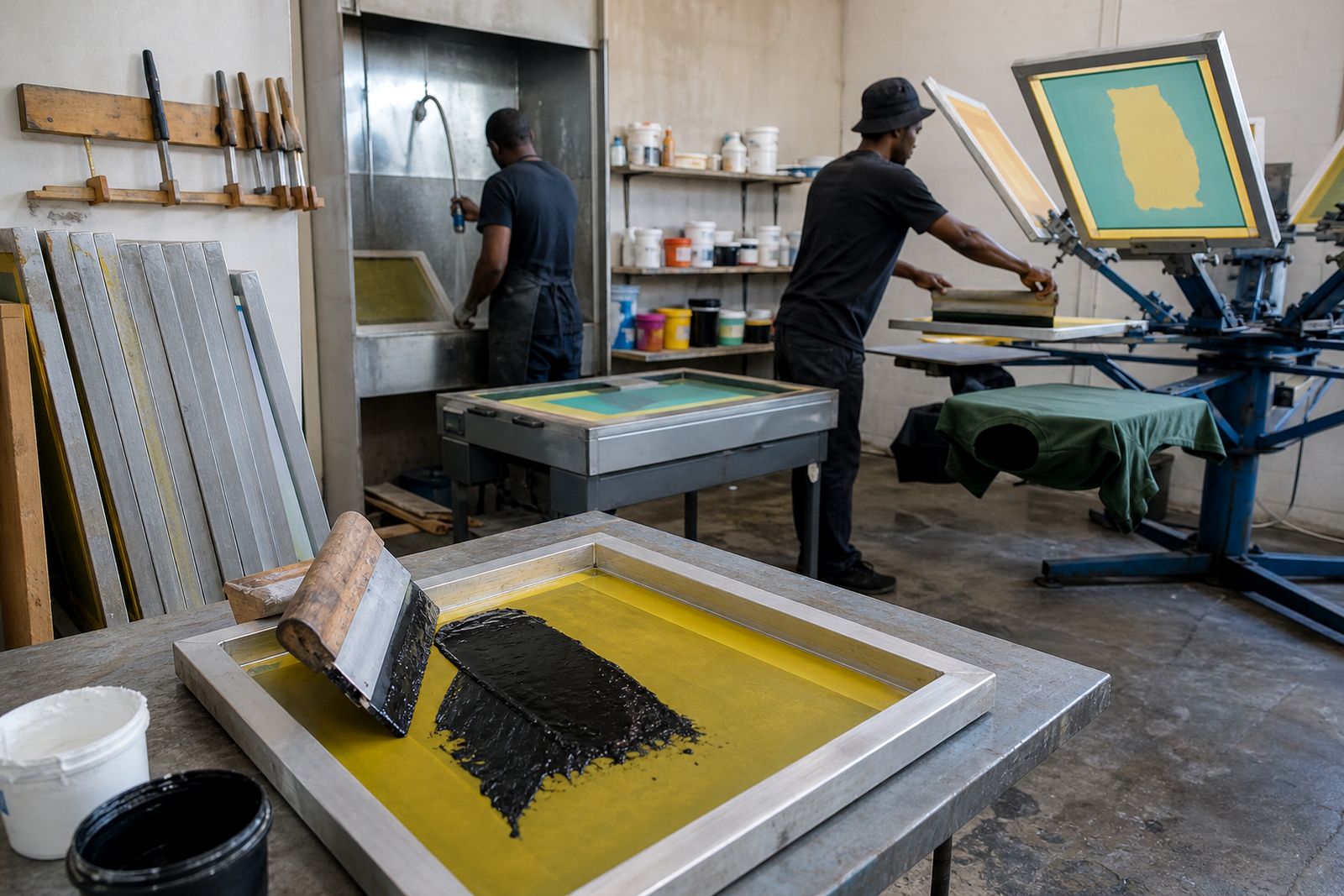
Bottle sleeve screens
Sleeve and soft-substrate screens that hate pinholes on long wraps.
Read more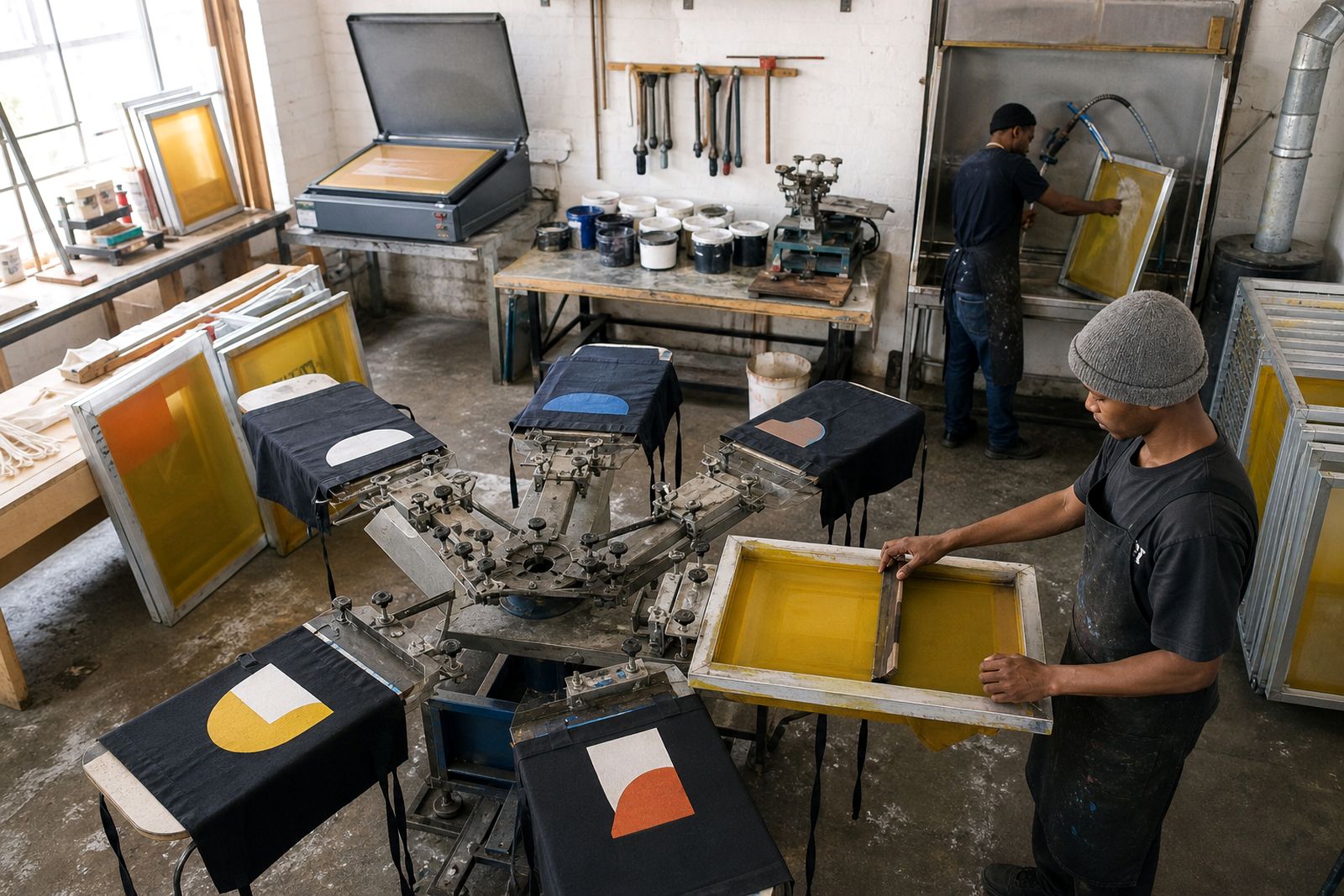
Cafe apron screens
Aprons and soft goods with waterbase-friendly stencils.
Read more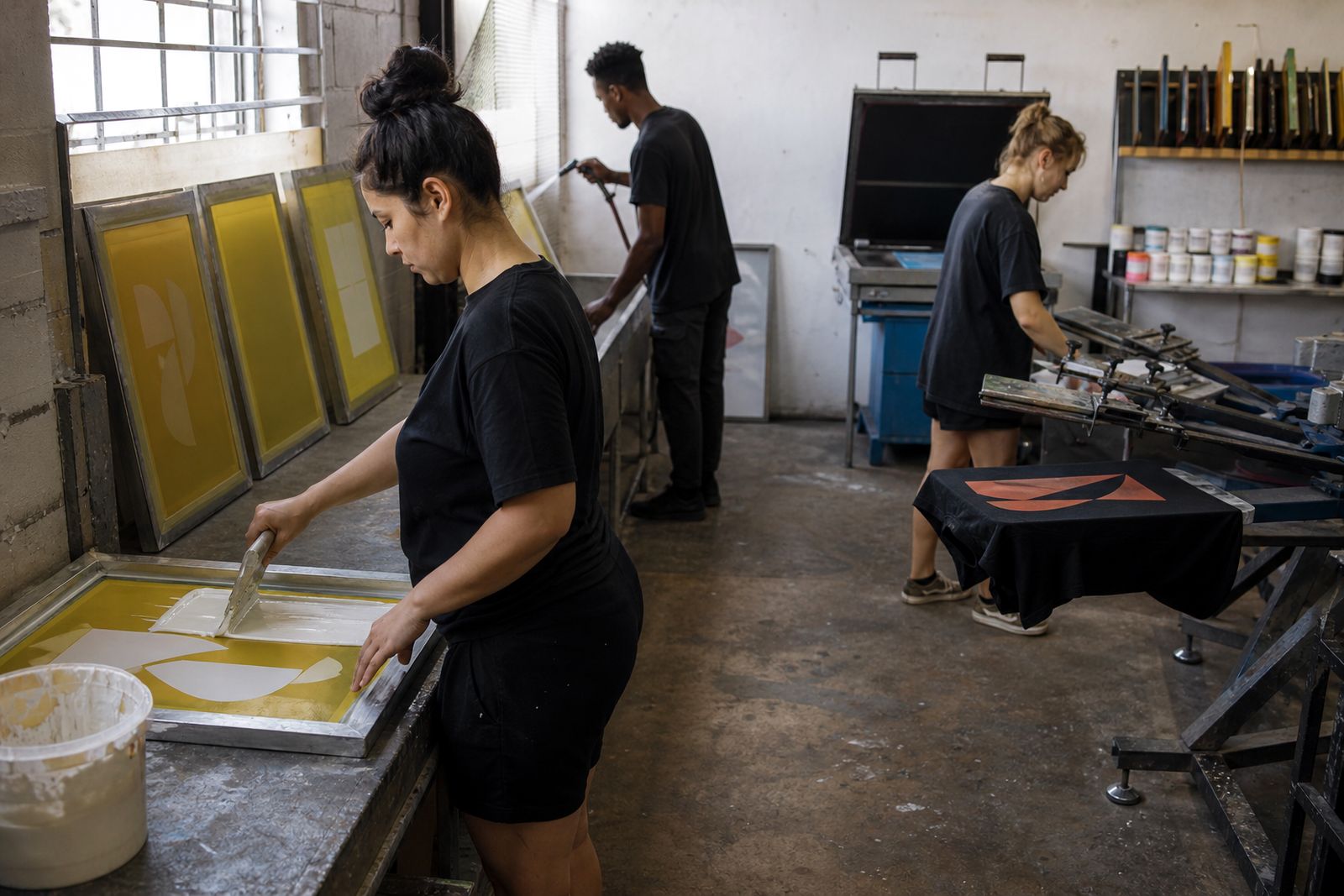
Church merch night
Volunteer nights that need degrease, coat, burn, without drama.
Read more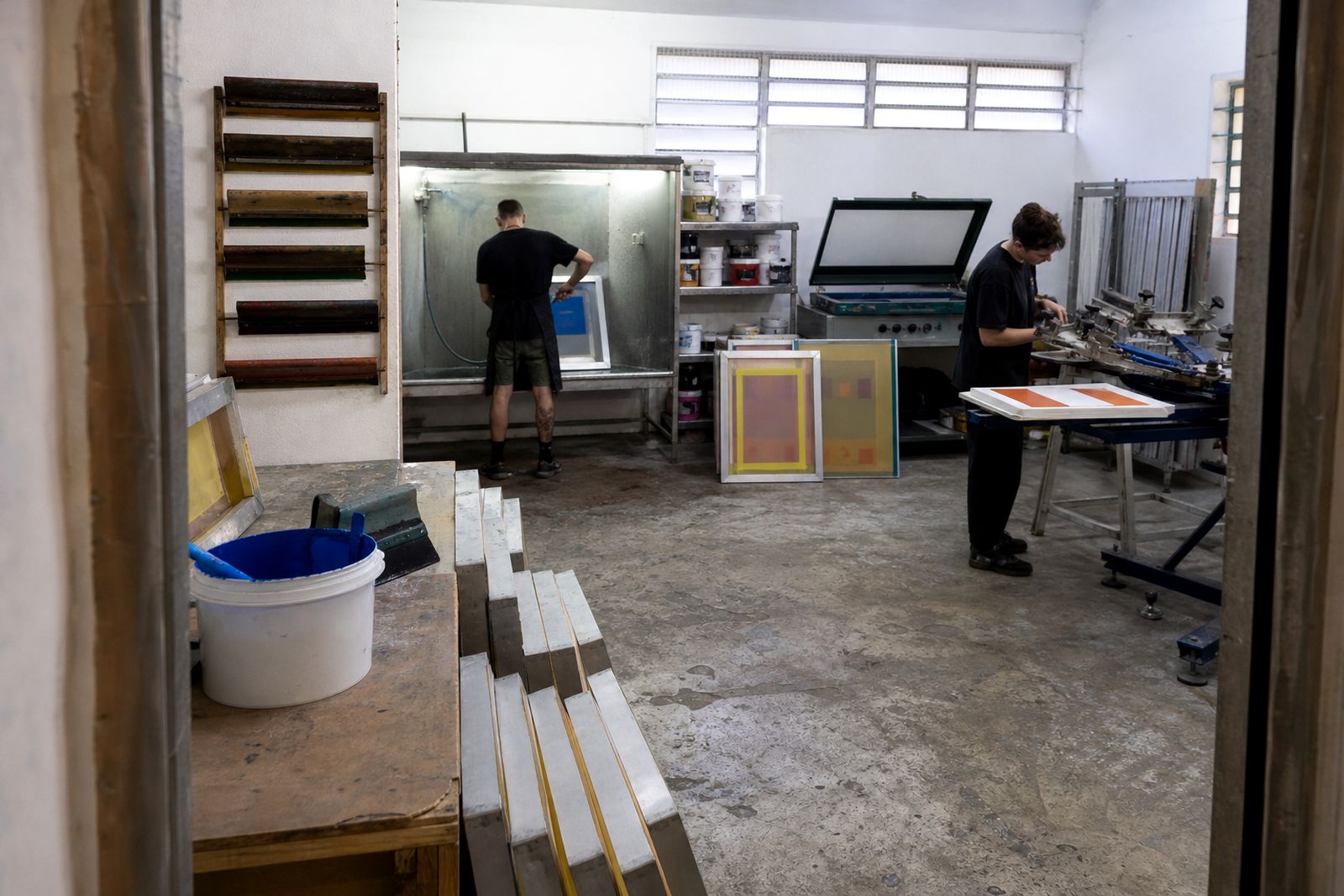
Coastal humidity shop
Durban and Cape coastal rooms where humidity fights dry-down.
Read more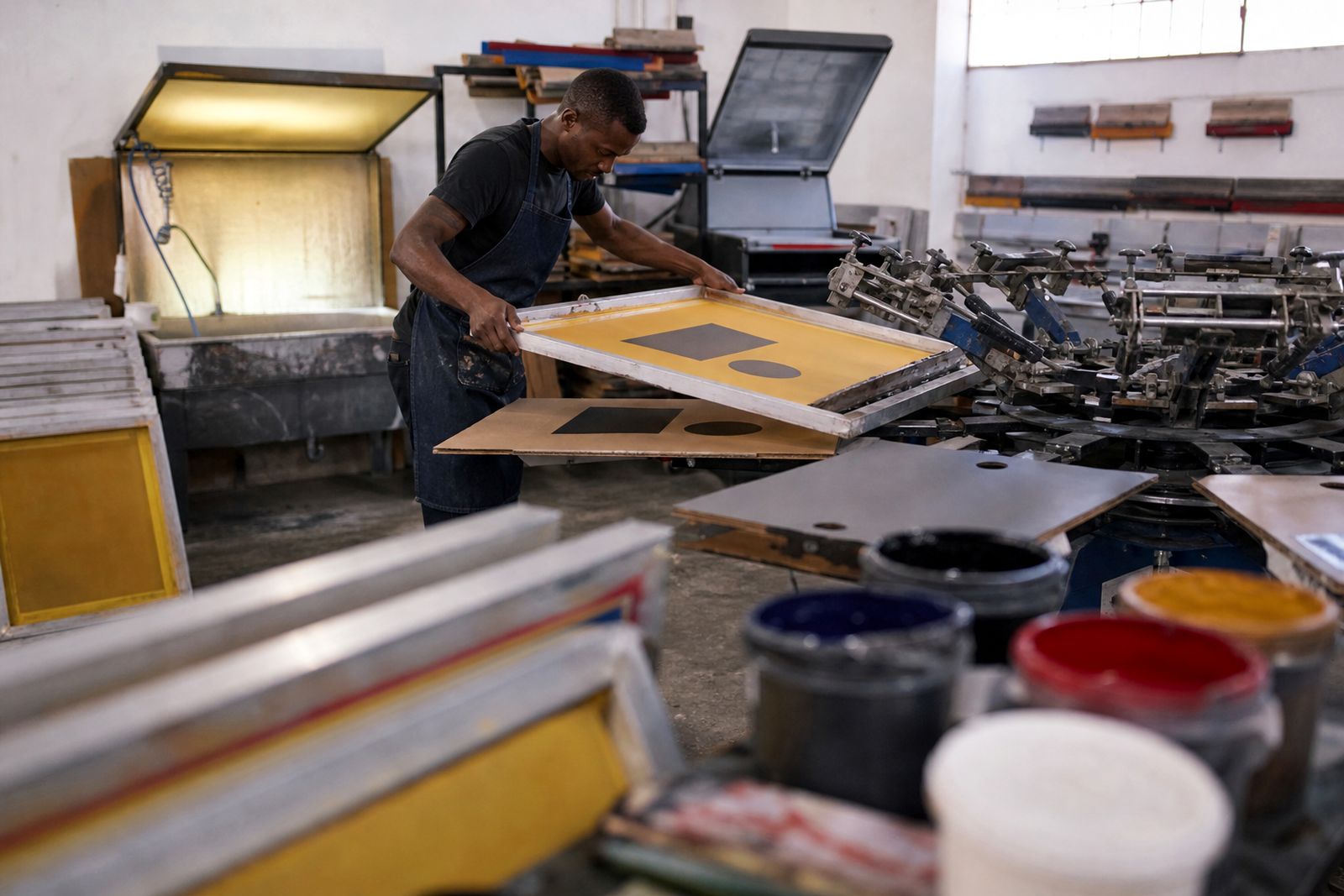
Sharp carton marks
Export marks and stencil art that still look sharp on corrugated.
Read more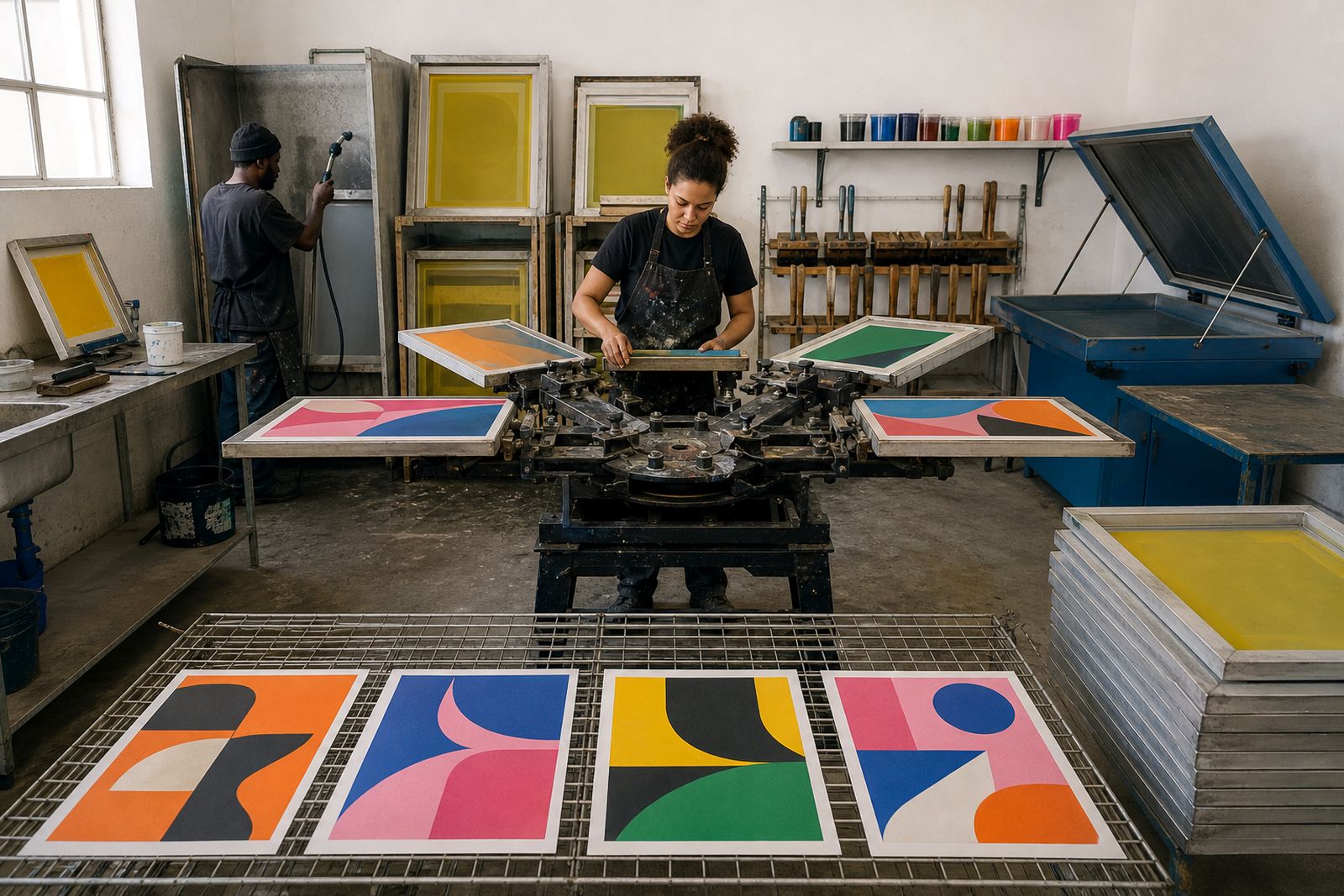
Festival poster rush
Rush posters with SBQ speed and a reclaim kit that keeps up.
Read more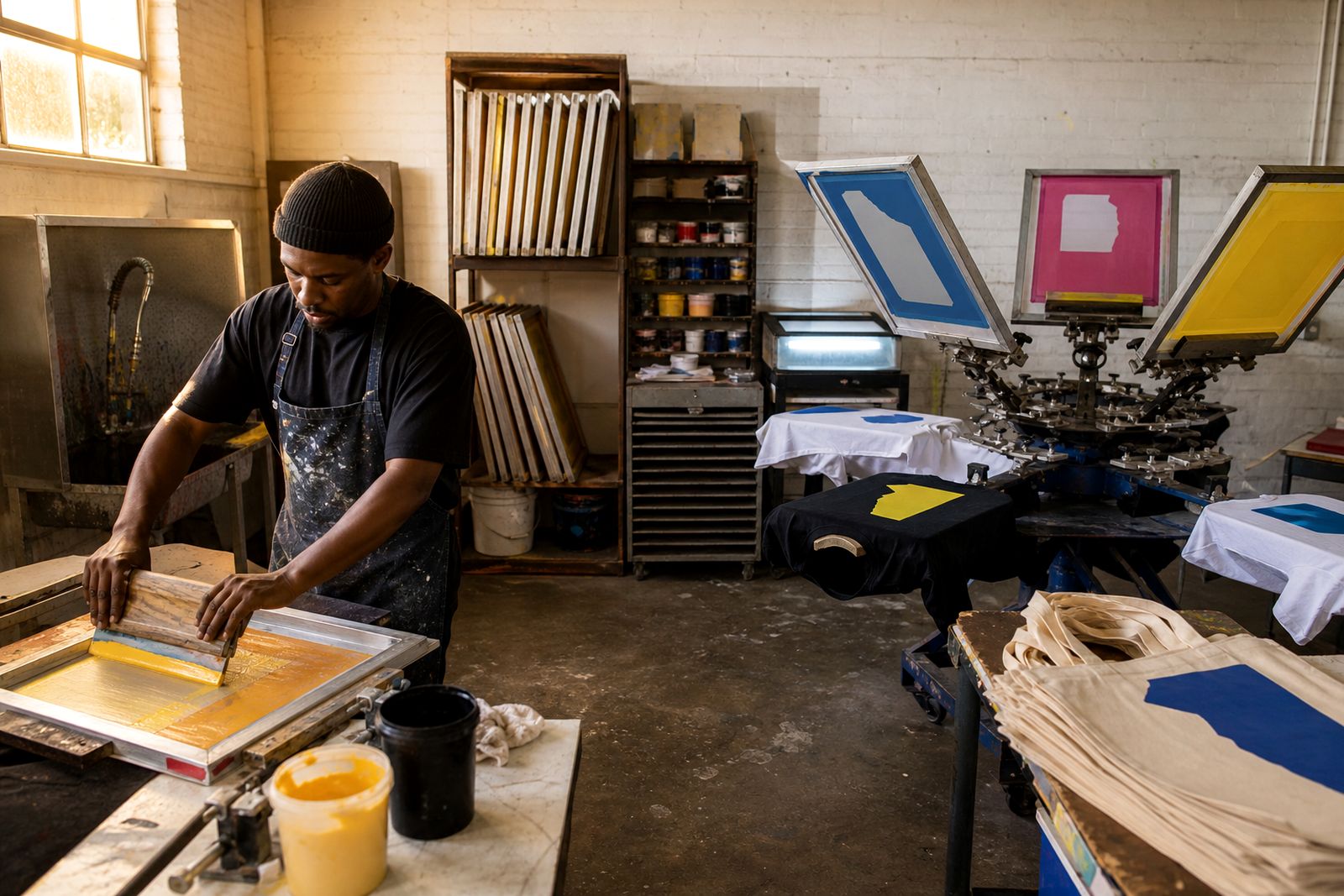
Garment print house
Tees, totes, and multi-colour carousel days with steady stencil rhythm.
Read more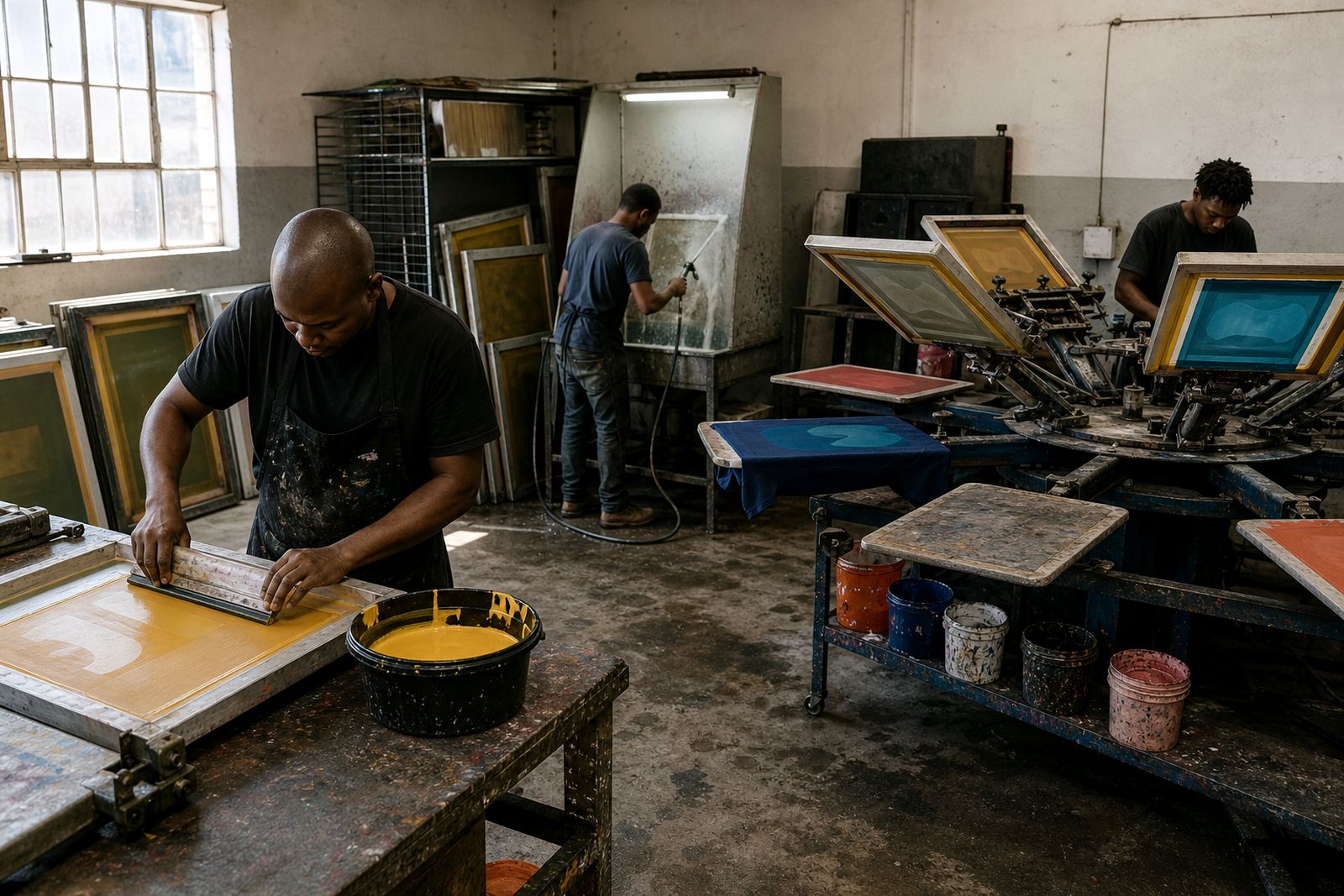
Highveld dust shop
Gauteng dust on mesh and glass, with degrease habits that stick.
Read more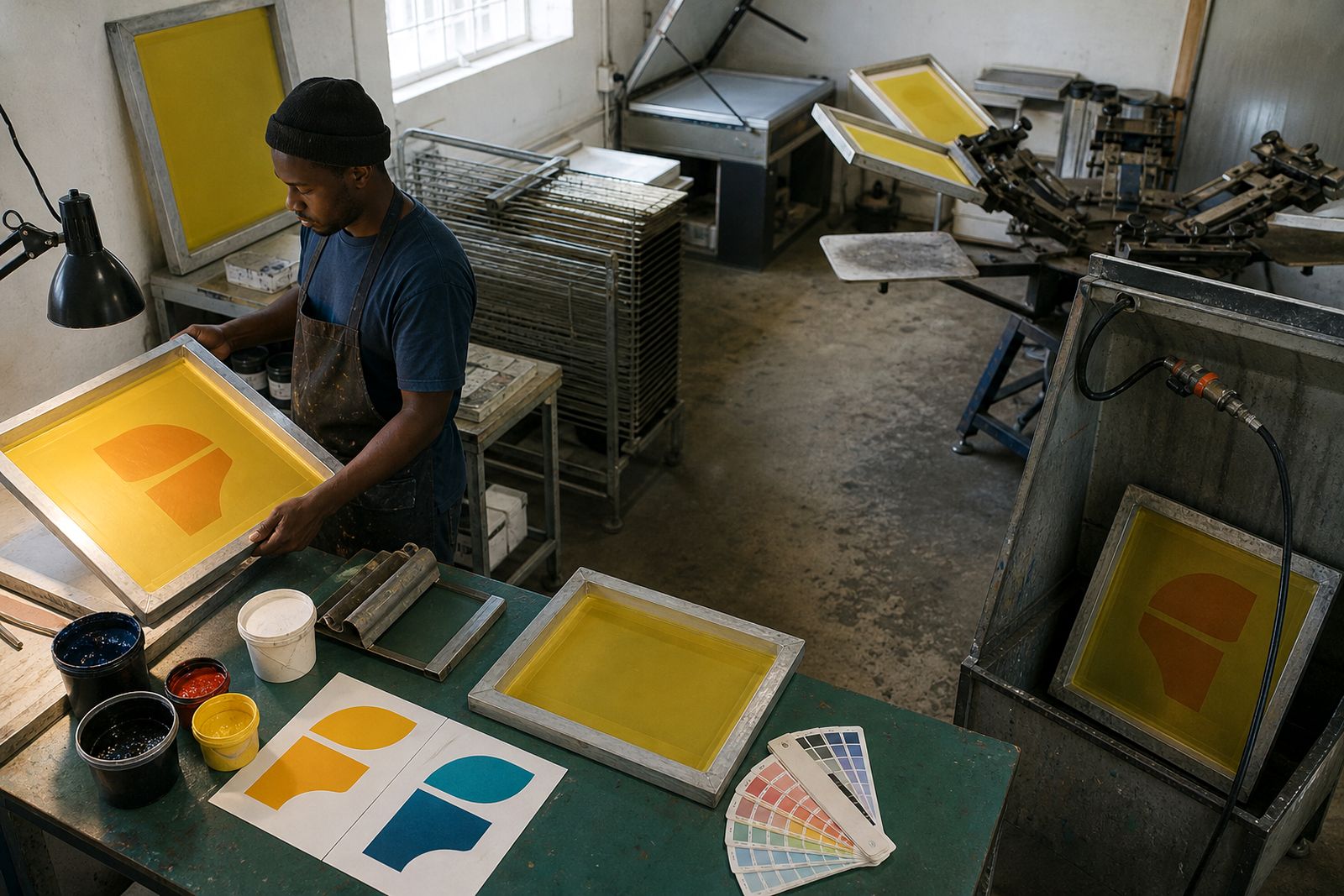
Label proof screen
Proof screens for labels with calc cards that match the lamp.
Read more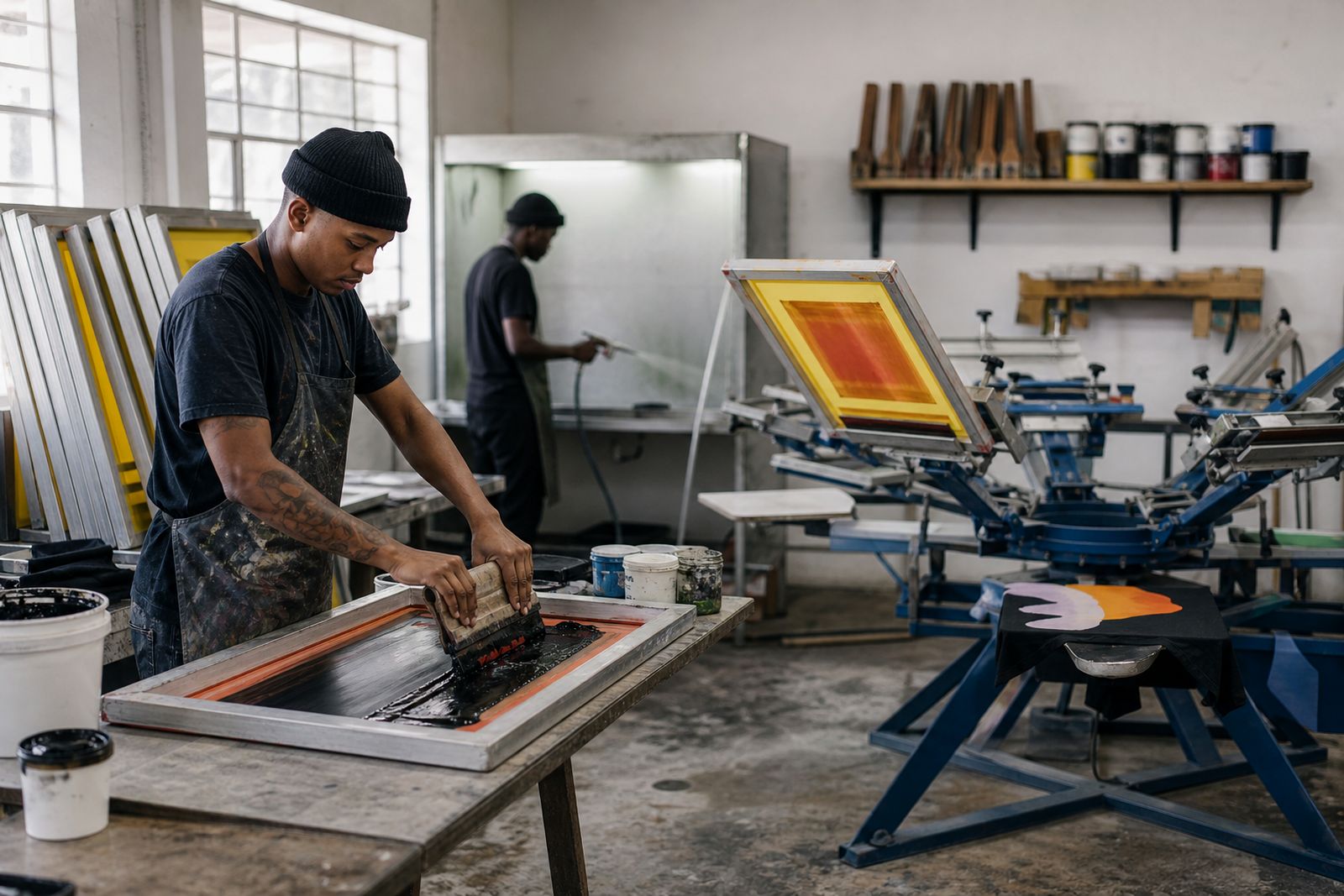
Merch short run
Band and brand merch with fast burns and clean reclaim between SKUs.
Read more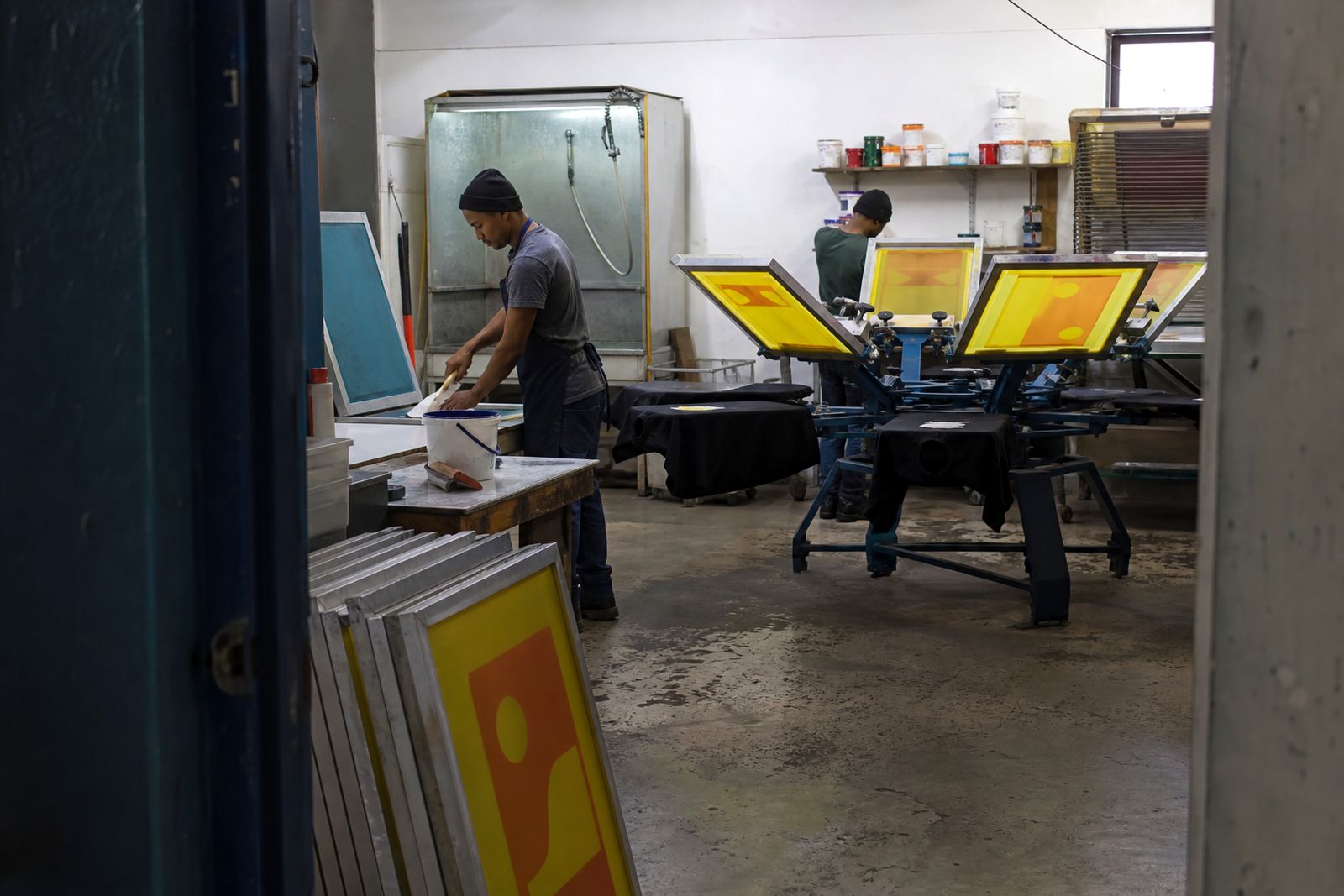
Night shift reclaim
Night reclaim that clears haze without chewing the weave.
Read more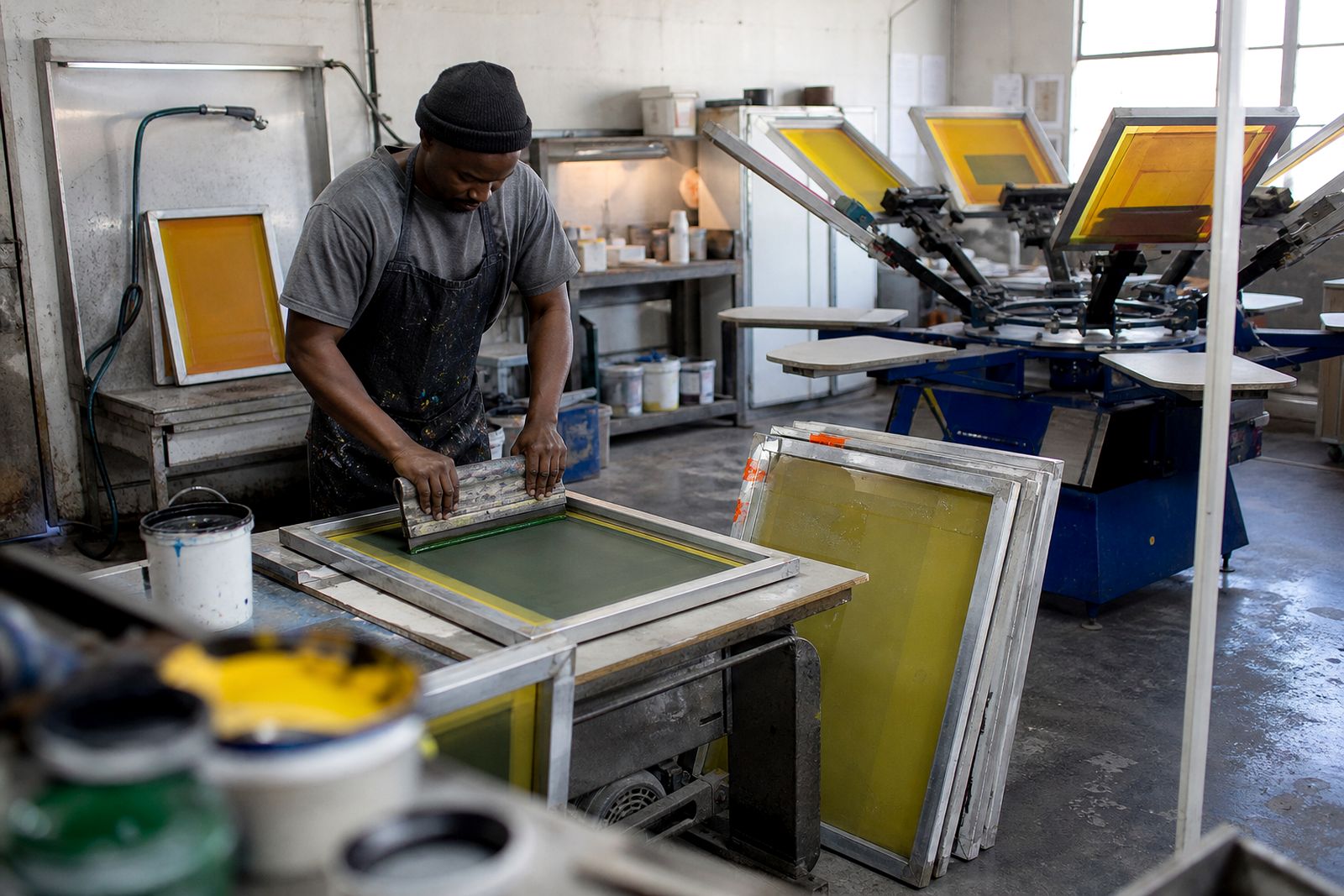
Packaging sample screens
Sample screens for cartons and wraps before the long run.
Read more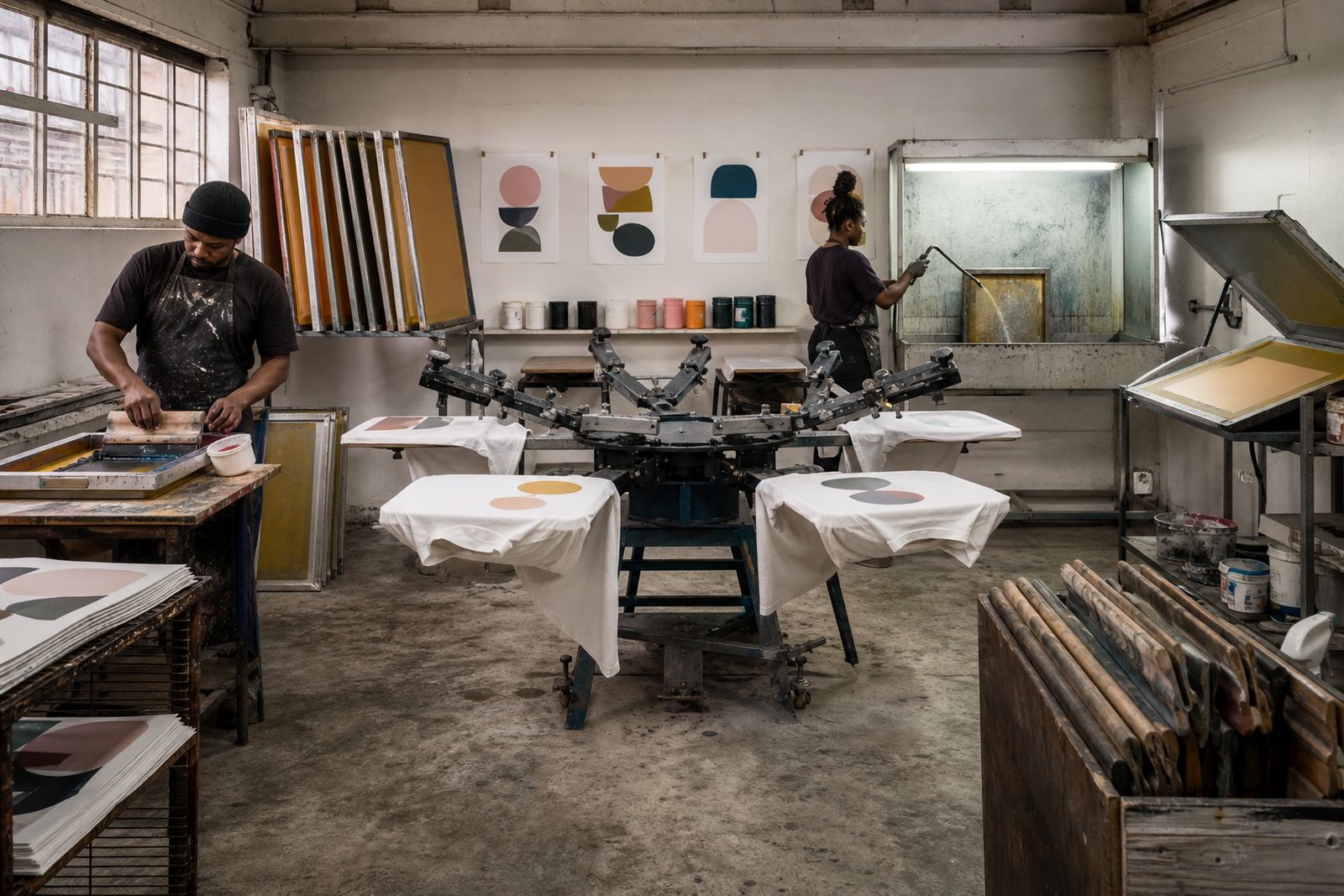
Poster edition studio
Edition posters where soft edges and registration matter more than speed.
Read more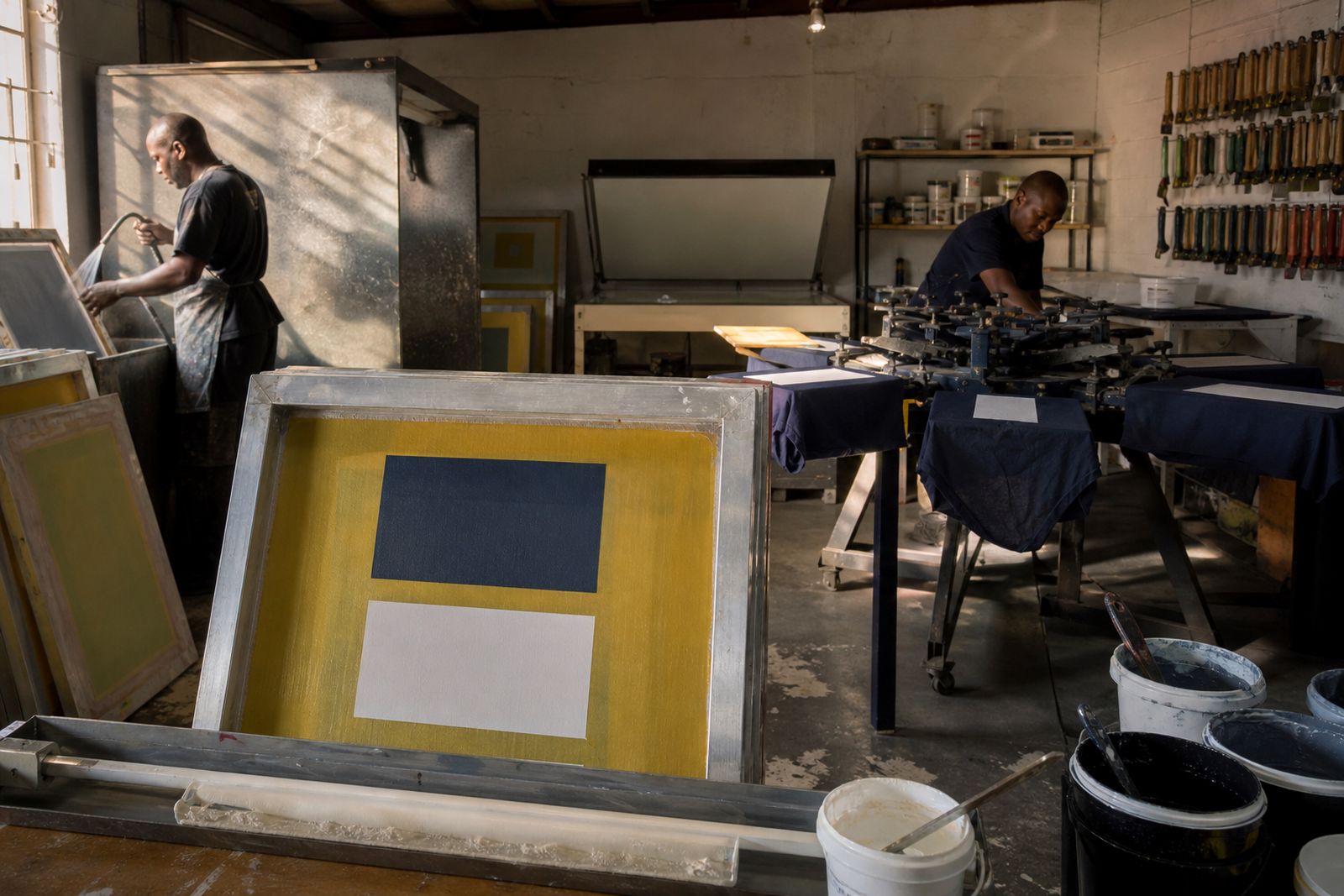
Sports kit screens
Club kits with blockout edges that survive pile after pile.
Read more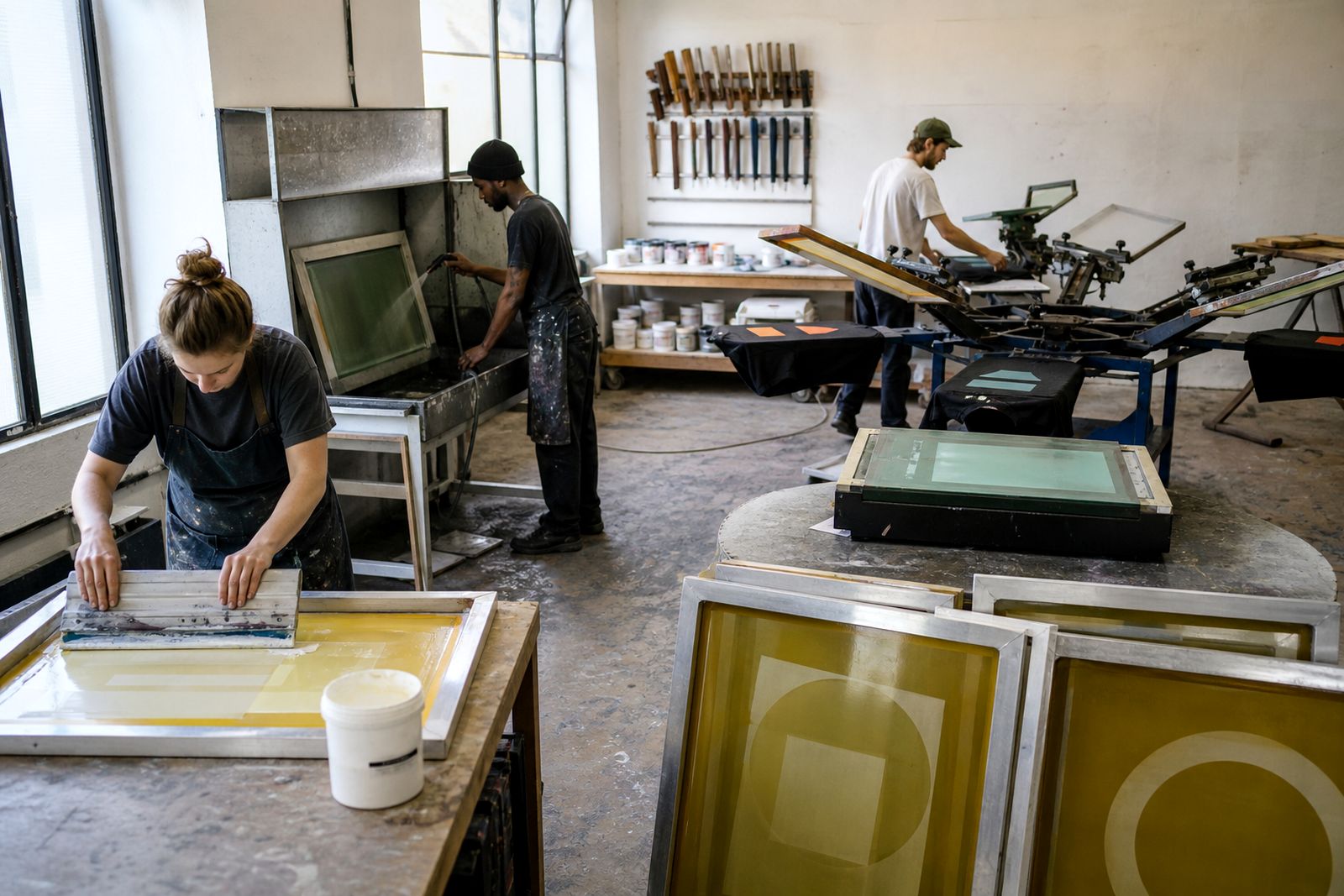
Teaching studio
Classroom coating and burn routines that forgive first-time hands.
Read more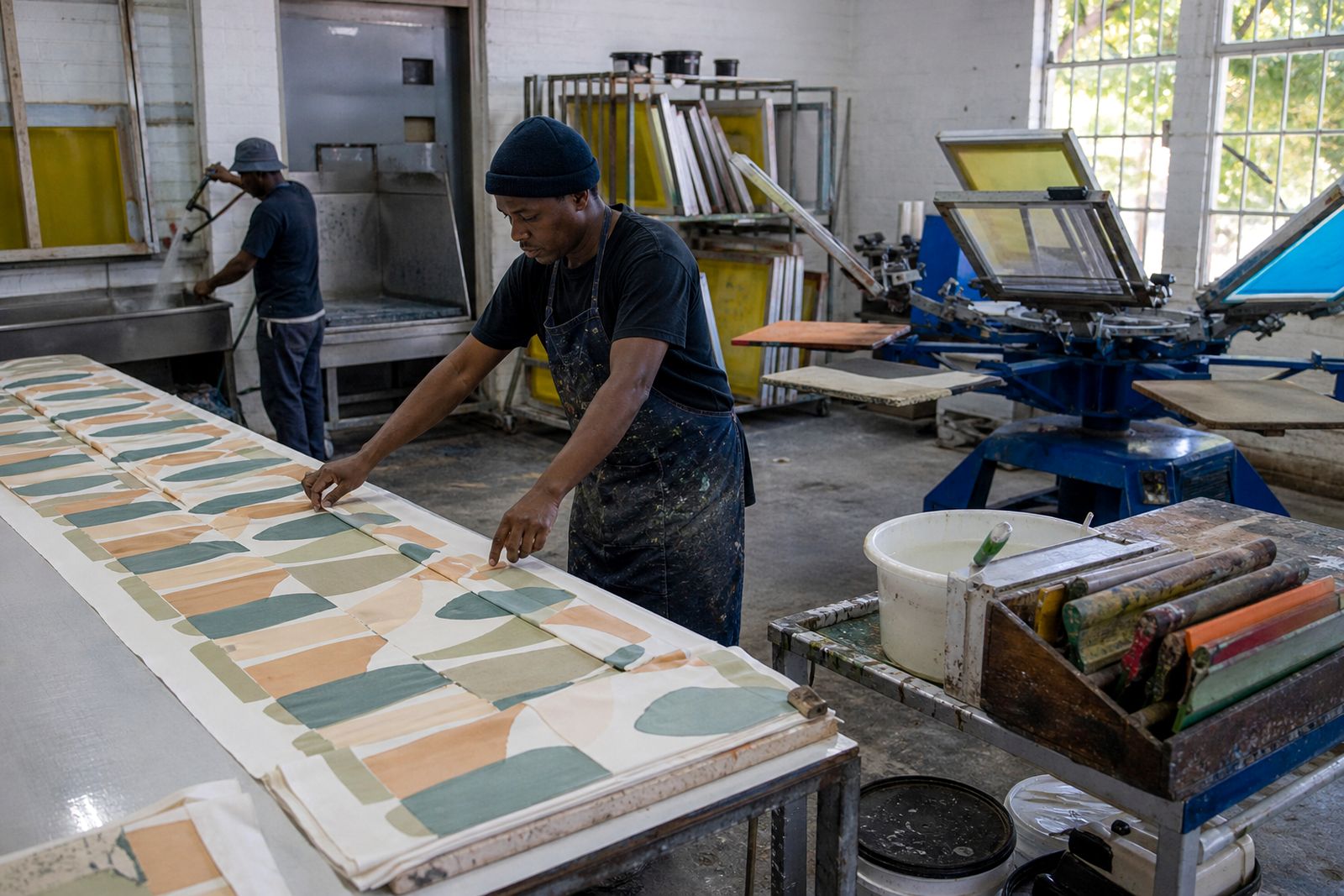
Textile yardage
Yardage tables where mesh tension and soft shoulders keep repeats calm.
Read moreWhat our Screen Stencil customers say
Verified Google reviews
Tell us what you are printing
Send a note through our contact form with the inks and substrates you print, your mesh counts and frame sizes, your exposure unit and your town, and we will come back with practical advice and a quote.
Open the contact form