

Mesh tension gauge burn
Before mesh tension gauge leaves the bench, the dial movement, pointer return, and contact foot are checked against the job card. Any note about screen count, target Newton range, or frame size travels with the unit so the print room receives the right gauge details. If a gauge is being replaced or withdrawn, that change is recorded with the handover pack.
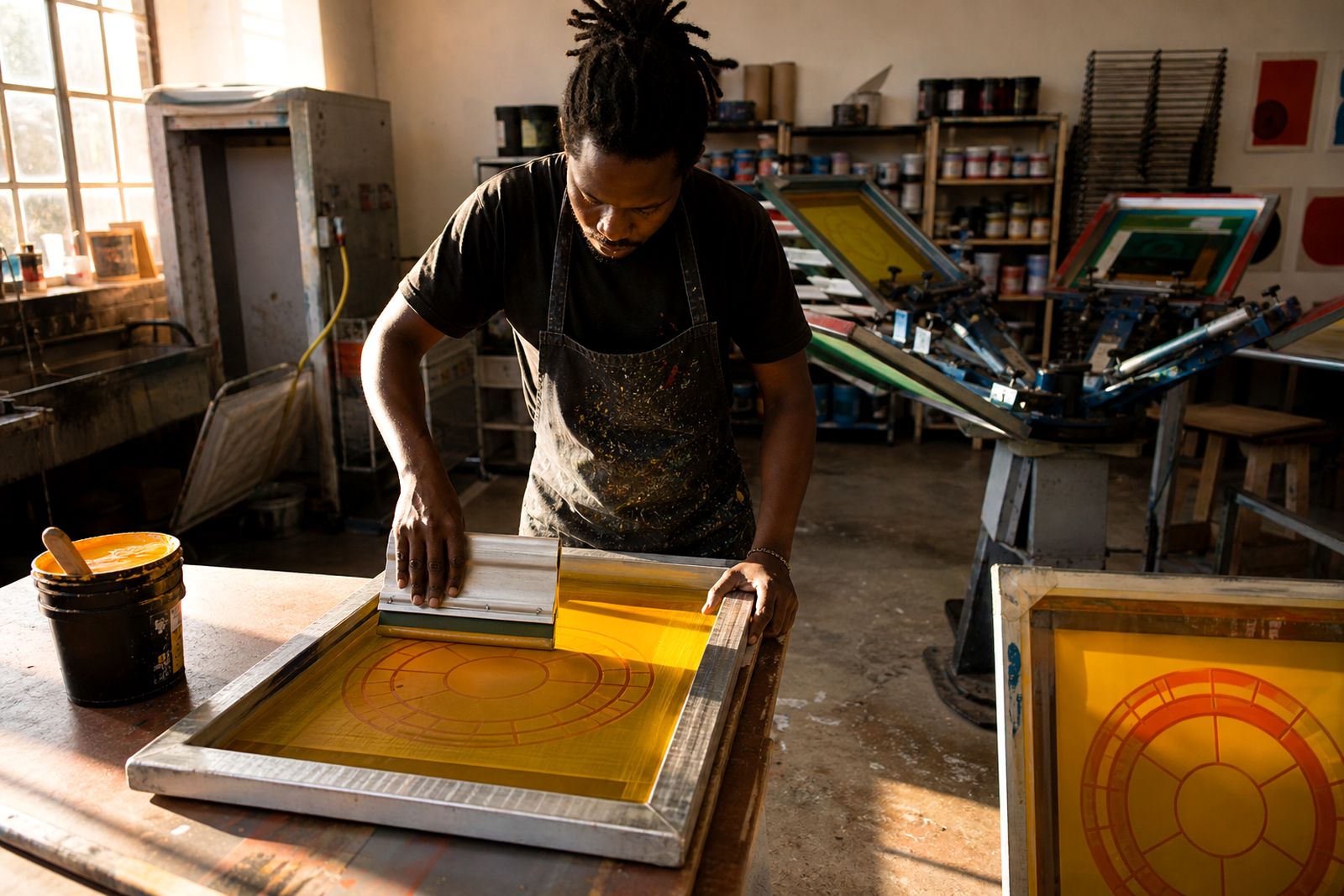
Burn cadence for mesh tension gauge
Delivery for a mesh tension gauge needs more than a wrapped box. The face must be protected from knocks, the contact point kept clean, and the reading scale matched to the paperwork used in the screen room. On arrival, staff can compare readings across a few frames and note any spread between centre and edge tension before the gauge goes into daily use.
Johannesburg and Pretoria print rooms often contend with dry dust that settles on instruments and mesh alike. Durban and Cape Town shops deal more often with moisture, salt air, and slower mesh stabilising after stretching. For that reason, the delivered gauge should be stored closed, wiped with a lint-free cloth, and kept away from reclaim splash and direct sun near the exposure area.
Gauge handoff checks
A mesh tension gauge should be taken out of service when readings drift, the body has taken a knock, or operators can no longer repeat the same value on one frame. Keep the reference sheet nearby so mesh tension targets stay consistent between new stretches and re-tensions. See our Kits for bench cards, check sheets, and print room paperwork that can sit beside the mesh tension gauge.
If you need to match a delivered mesh tension gauge to your mesh types or frame sizes, use the contact form and include the screen details you work with. A photo of the gauge, the frame, or the current reading pattern helps when the issue is uneven tension across the bed. That keeps the discussion tied to actual print room conditions in South Africa.
What our Screen Stencil customers say
Verified Google reviews
Also worth a look
Tell us what you are printing
Send a note through our contact form with the inks and substrates you print, your mesh counts and frame sizes, your exposure unit and your town, and we will come back with practical advice and a quote.
Open the contact form