

SBQ photopolymer fast
Before handover, note any pinholes, edge touch-ups, and weak image areas on the job card. Mark whether the stencil must return for reclaim after the run or stay racked for a repeat order.
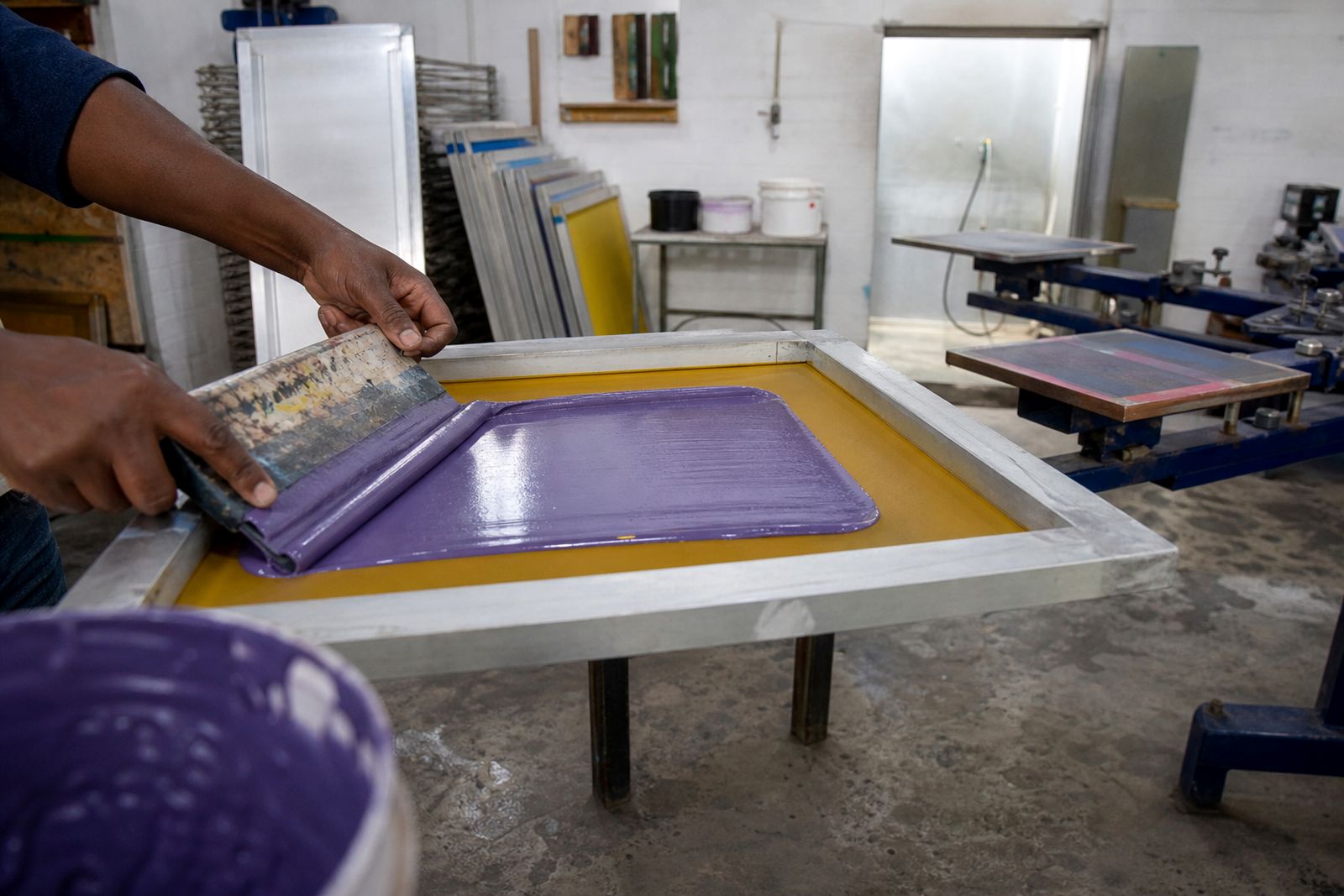
Burn cadence for photopolymer fast
At delivery, the SBQ Photopolymer Fast stencil should be fully dried, wrapped from dust, and labelled with mesh count and job name. Check the image side for clean shoulder build and inspect tape lines before it leaves the print room. If your team keeps exposure records, write down the screen number with the film reference so the next burn matches the same setup.
Johannesburg and Pretoria print rooms often deal with dry dust that settles on coated mesh during packing. Durban and Cape Town shops must watch for moisture pickup after washout, especially on overcast days near the coast. A final wipe of the frame, corners, and storage sleeve helps keep the delivered stencil ready for press.
Handover checks for SBQ screens
Send a stencil back for rework if fine text has filled in, edges have undercut, or the emulsion shows soft patches after exposure. Replace the screen card when ink, mesh count, or squeegee setup no longer matches the current job standard. Keep spare frame labels and reclaim notes with your Kits so repeat burns can be matched without guessing at the previous setup.
What to match before you burn
SBQ photopolymer suits screen rooms that need a clean, repeatable burn for garment, poster and sign work. It is a practical fit where the stencil must hold detail for plastisol, waterbase or discharge inks, while still washing out cleanly after exposure.
Match the stencil to the mesh and the job before coating. Fine detail usually calls for tighter mesh counts and even tension, while heavier print work can tolerate a more open mesh if the artwork allows it. Aluminium or timber frames both work, provided the mesh is stretched consistently and the frame is clean before coating.
- Check mesh count, tension and frame condition before the first coat.
- Keep the scoop coater level and use a steady pass on both sides where needed.
- Store coated screens flat, dry and away from dust before exposure.
Coating and exposure care
For a clean burn, apply the emulsion evenly and avoid overworking the surface. Uneven coating can leave weak shoulders, pinholes or soft areas that show up later in washout. If you are coating capillary film, make sure the mesh is prepared properly so the film beds down without trapped air.
Exposure needs steady habits. Keep an eye on lamp age, exposure timing and the condition of the exposure unit, because tired lamps can change the burn from screen to screen. In South African print rooms, power cuts, humidity and dry Highveld air can all shift the result, so keep records of the setup and adjust carefully rather than guessing.
- Inspect the stencil after washout for pinholes, undercut edges and weak detail.
- Touch up only where needed, then dry the screen fully before storage.
- Reclaim and remove haze before the next coating cycle.
Store and handle after burn
Once the stencil is burned, washed out and fully dry, store it where dust and moisture will not settle on the mesh. Coastal rooms may need extra care after washout, while drier inland rooms should still protect the screen from airborne grit and handling marks.
Keep the screen labelled with the mesh count, job name and any exposure notes your team uses. That makes the next burn easier to repeat, especially when you are moving between garment, poster and sign work or switching from one ink system to another. If you need help matching the setup to your screen room conditions, send site photos and ask for a quote via the contact form.
- Keep screens wrapped from dust during storage and transport.
- Separate finished stencils from reclaimed frames and dirty mesh.
- Visit our showrooms or contact form for practical guidance.
What our Screen Stencil customers say
Verified Google reviews
Also worth a look

Tell us what you are printing
Send a note through our contact form with the inks and substrates you print, your mesh counts and frame sizes, your exposure unit and your town, and we will come back with practical advice and a quote.
Open the contact form