

Coastal humidity card
Dry-down and rack notes for coastal shops.
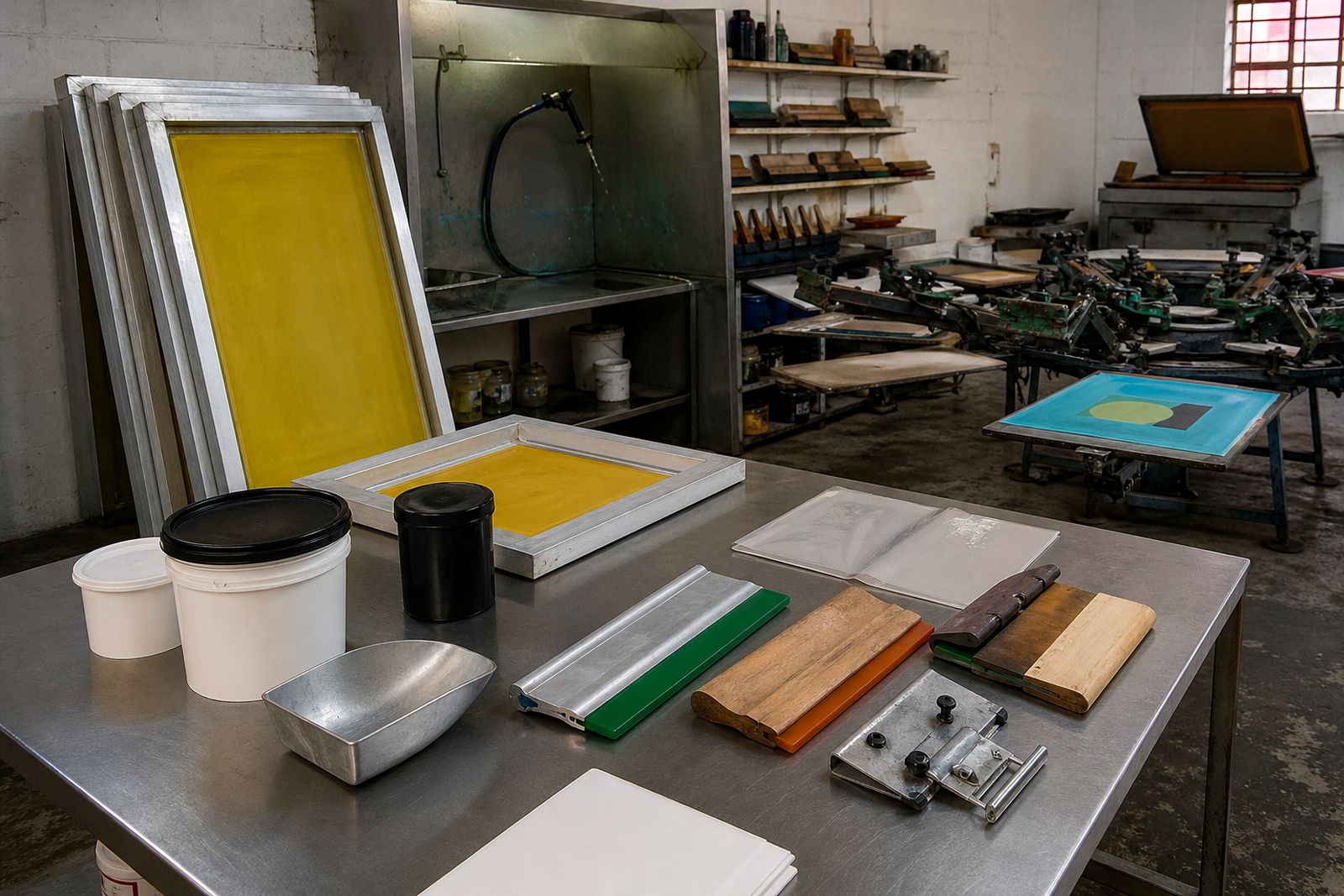
Humidity checks for coastal print rooms
A fixed reference for damp-air days near the sea. Use it beside the drying rack or exposure area to note how tack, flash time and dry-down shift when moisture sits in the room. Add the matching stencil product code and the production ticket reference so everyone is reading from the same job details.
Shops in Durban, Gqeberha and Cape Town often see different screen behaviour once the air turns wet and salty. This card is suited to pin boards, sample shelves and rack ends where crews compare mesh choice, stencil hold and drying notes through the day. Send requirements through our contact form if the room needs extra copies added to a kit order.
Bench-side use near the drying rack
Keep one card at the ink bench and another near the washout bay for quick comparison during the shift. Printers can mark morning and afternoon conditions, then note whether finer counts held detail or if open areas stayed wet longer than expected. Check the related Mesh when choosing a screen setup to match the humidity note on this kit.
- Date and room reading recorded
- Mesh count and ink noted
- Rack area copy kept visible
What is in the kit
The coastal humidity card is a simple dry-down and rack note card for screen print rooms that work in damp air near the coast. It suits printers who need a steady place to record how screens, stencils and inks change when humidity rises, especially when moving between dual-cure, diazo and SBQ emulsions.
- Reference card for coastal drying and rack notes
- Space for room conditions, job reference and matching product code
- Useful beside the exposure area, washout bay or ink bench
It helps keep one common record for garment, poster and sign work where tack, dry-down and washout can shift during the day.
Who it suits
This kit suits South African print rooms that need to compare notes across different work areas and weather conditions. It is especially useful for shops near the sea, and for teams that handle plastisol, waterbase and discharge inks alongside stencil work.
Use it where crews discuss mesh counts and tension, frame choice, scoop coating, exposure timing, lamp age, pinholes, reclaim and haze. It is also practical when power cuts change the rhythm of exposure and dry-down.
- Coastal shops that need repeatable rack notes
- Teams comparing stencil hold and drying on different days
- Print rooms that want a visible reference near production
How to use and store it
Write the job reference, add the matching product code, then note the room reading at the time of use. Keep the card where the crew can see it while screens are drying, washing out or waiting for exposure.
For best use, keep one card near the rack and another near the washout bay. Add short notes on humidity, dry-down, flash time and whether the stencil held detail or showed pinholes. When the job changes, update the card so the next shift can follow the same record.
- Store flat and clean, away from wet washout splashes
- Keep near the press, rack or exposure area for easy checking
- Ask for a quote via the contact form if you need extra copies added to a kit order
Where to get help
Screen Stencil supplies screen print materials for South African print rooms, from a stencil studio in Salt River, Cape Town, with showrooms at Tyger Valley, Clearwater, Cresta, Pavilion, Baywest, Mimosa and Riverside. If you need help matching a humidity note to a screen setup, send requirements through the contact form.
The team can talk through coating technique, exposure units, reclaim and haze removal, and how coastal humidity or dry Highveld air can affect day-to-day stencil work.
What our Screen Stencil customers say
Verified Google reviews
Tell us what you are printing
Send a note through our contact form with the inks and substrates you print, your mesh counts and frame sizes, your exposure unit and your town, and we will come back with practical advice and a quote.
Open the contact form