

City Deep export marks
Export marks with stencil art transfer packs.
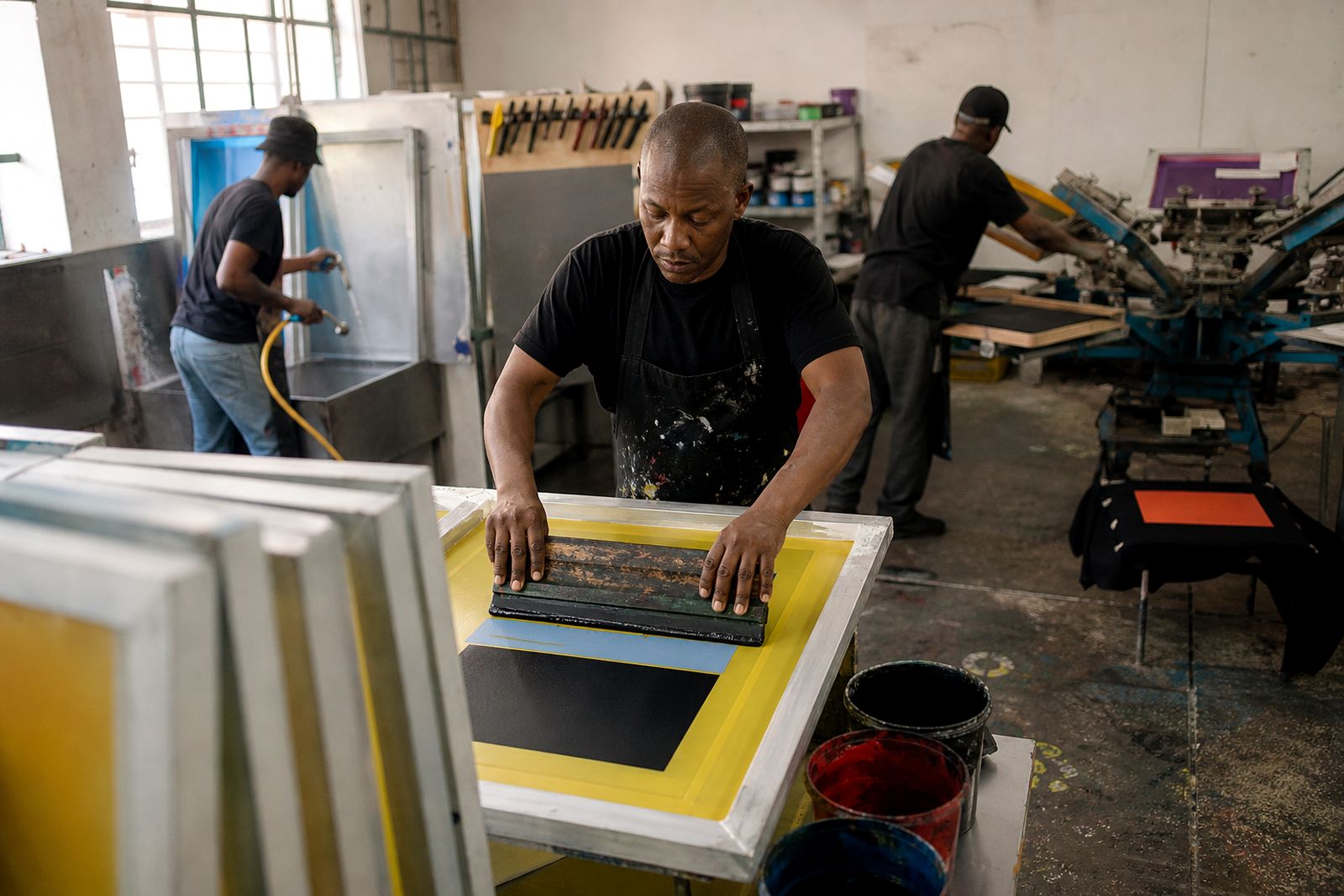
Export carton marks at City Deep
For work that follows this City Deep export example, use our contact form and mention the carton code, ink colour, and substrate. A phone snap of the existing mark helps when spacing, arrow direction, or line weight must match what is moving through the print room.
What shipped
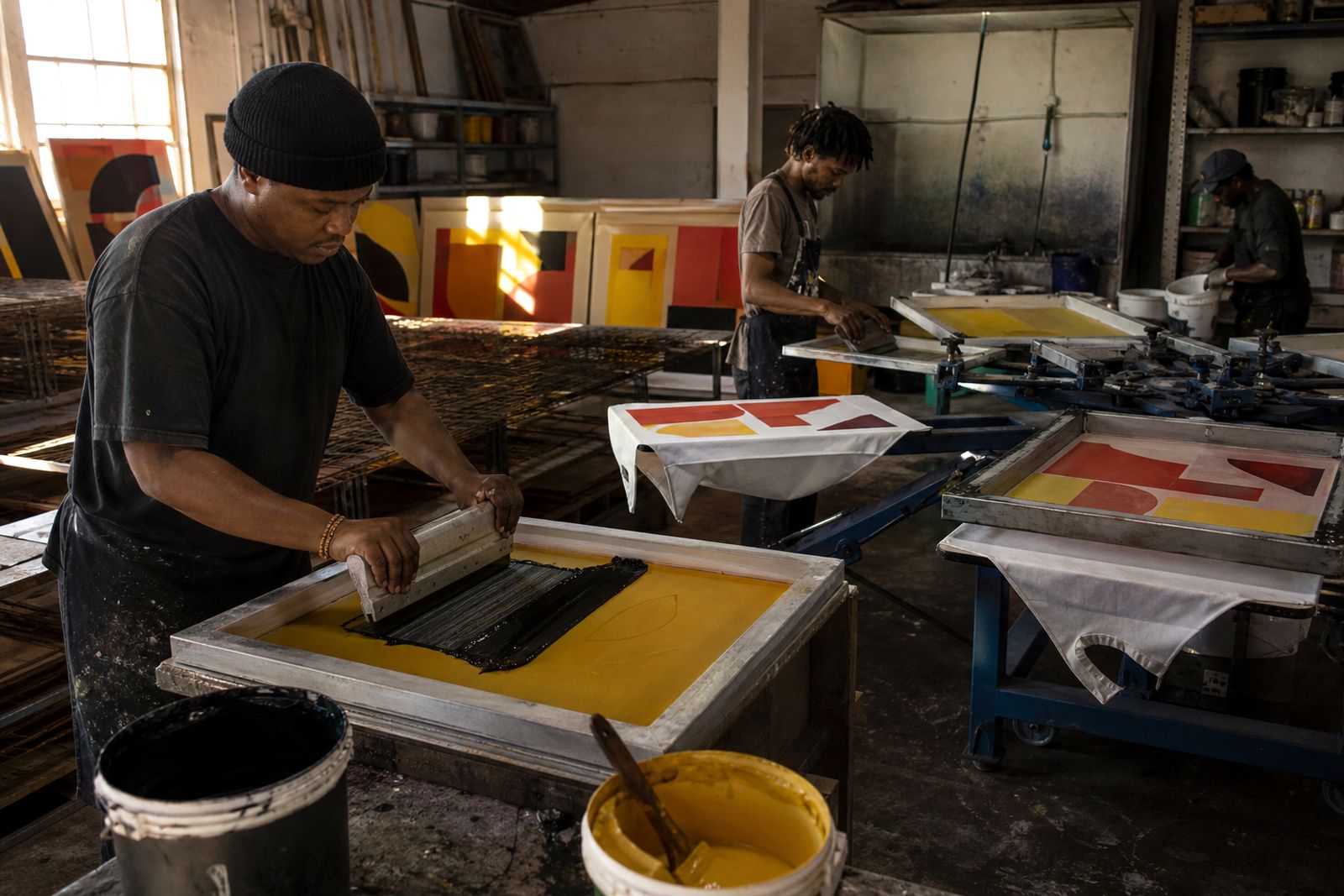
Transfer packs let staff compare the approved artwork with the export carton mark before ink touches board. In Gallery, the proof image sits beside related jobs so mesh choice and edge definition can be judged against other freight-facing marks. The link pairs stencil art transfer with export carton mark because the pair reflects how stencil choice, job cards and shipping marks are checked together on a South African dispatch job.
- Proof photo logged with ticket
- Proof photo filed
- Transfer pack matched to carton mark
Mark and transfer packs that travel well
City Deep export jobs often need a clear link between the carton mark and the stencil art transfer pack, so the print room can check the artwork before ink goes anywhere near board. We keep the discussion practical: line weight, spacing, orientation, and how the mark sits on the surface after exposure and washout.
South African print rooms work with different setups, so Screen Stencil talks through the basics that matter on press and in prep.
- Emulsion choice: dual-cure, diazo and SBQ photopolymer options for the job in hand
- Screen build: mesh counts, tension, frame type and coating technique
- Process control: exposure timing, lamp age, washout, pinholes and touch-up
- After press: reclaim, haze removal and getting the screen ready again
If you need a similar transfer pack or export mark matched to an existing sample, send a photo and the carton details through the contact form.
Screen room checks that save rework
A clean stencil starts before exposure. The scoop coater needs even pressure, the mesh must suit the image, and the frame has to hold tension well enough for a crisp edge. If the lamp is old, exposure can drift. If washout is rushed, pinholes can stay behind and show up only when the job is already under way.
We also look at the ink system, because the right stencil has to work with the way the job will print. That may mean plastisol for garment work, waterbase for a softer finish, or discharge where the brief calls for it. For poster and sign work, edge definition and clean detail matter just as much as on textile work.
Power cuts, coastal humidity and dry Highveld air all change how a screen behaves. A practical conversation helps avoid guesswork and keeps the stencil suited to the job.
Support for export, garment and sign work
Screen Stencil is a South African supplier to screen print rooms, working from a stencil studio in Salt River, Cape Town, with showrooms at Tyger Valley, Clearwater, Cresta, Pavilion, Baywest, Mimosa and Riverside. The team can talk through the next job with you, whether you are matching an export carton mark, setting up a garment run, or preparing a sign or poster screen.
These notes are there to help a new hire, a printer or a buyer compare the job requirements with what is already on press.
What our Screen Stencil customers say
Verified Google reviews
Tell us what you are printing
Send a note through our contact form with the inks and substrates you print, your mesh counts and frame sizes, your exposure unit and your town, and we will come back with practical advice and a quote.
Open the contact form