

Reclaim kit soft coat
Use these coating notes to note the mesh, stencil type, and the first side to be coated with Reclaim Kit Soft. Note whether the screen is fresh from reclaim or carrying any ghost image before emulsion goes on.
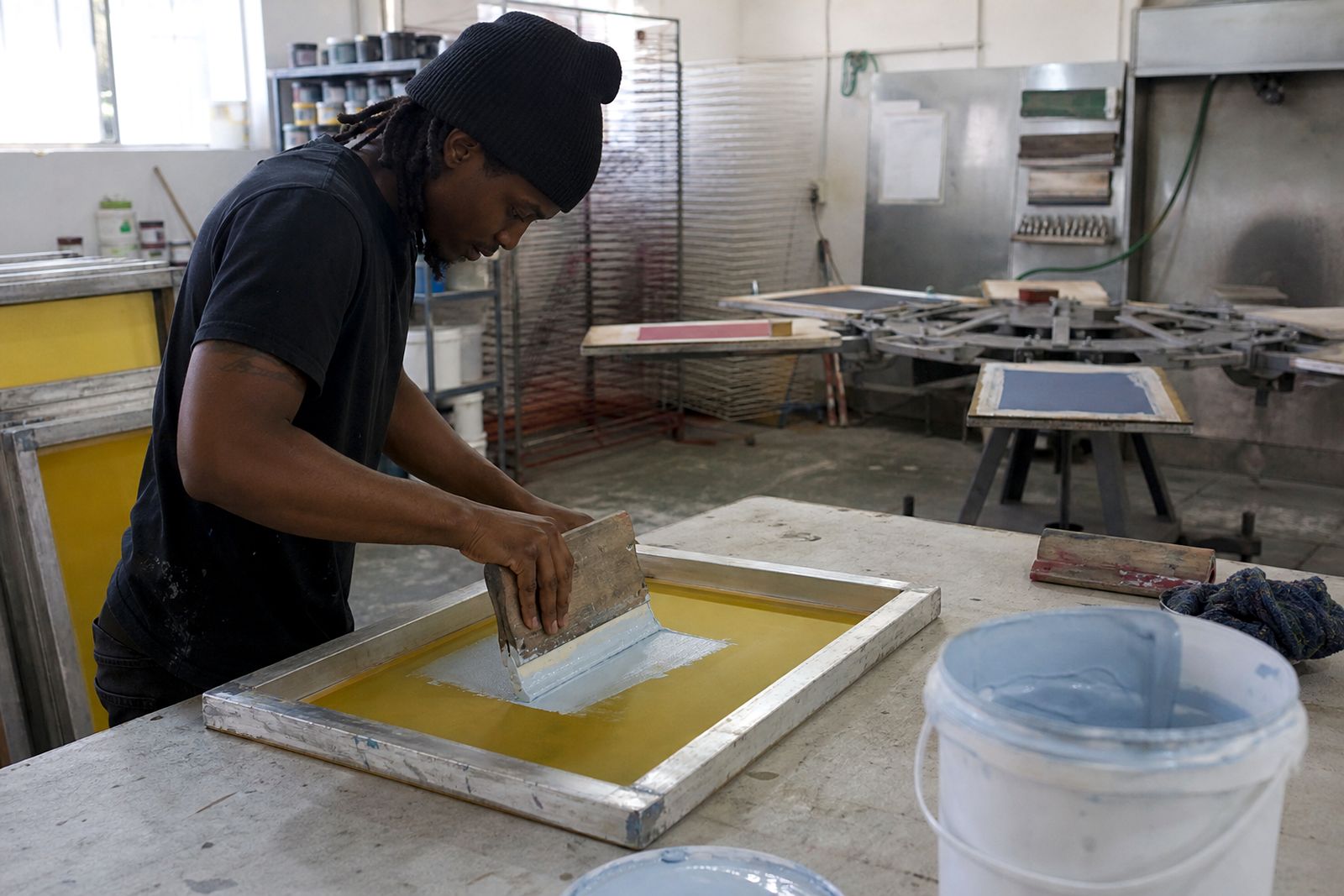
Coat notes for reclaim kit soft
The coating stage after a screen has been cleaned with Reclaim Kit Soft still needs the same checks each time. Keep note of the frame size, mesh count, and which edge you start from so the next screen in the room is coated the same way. In Cape Town winter and on dry Highveld mornings, room temperature and moisture both affect how evenly emulsion lays onto the mesh.
Check that the reclaimed mesh is fully open before coating, especially on white underbase screens and fine text jobs. Soft residue left near the image area can cause fish-eyes or thin patches in the emulsion. Mark the mesh count on the ticket so 43T, 77T, or finer meshes do not get mixed during prep.
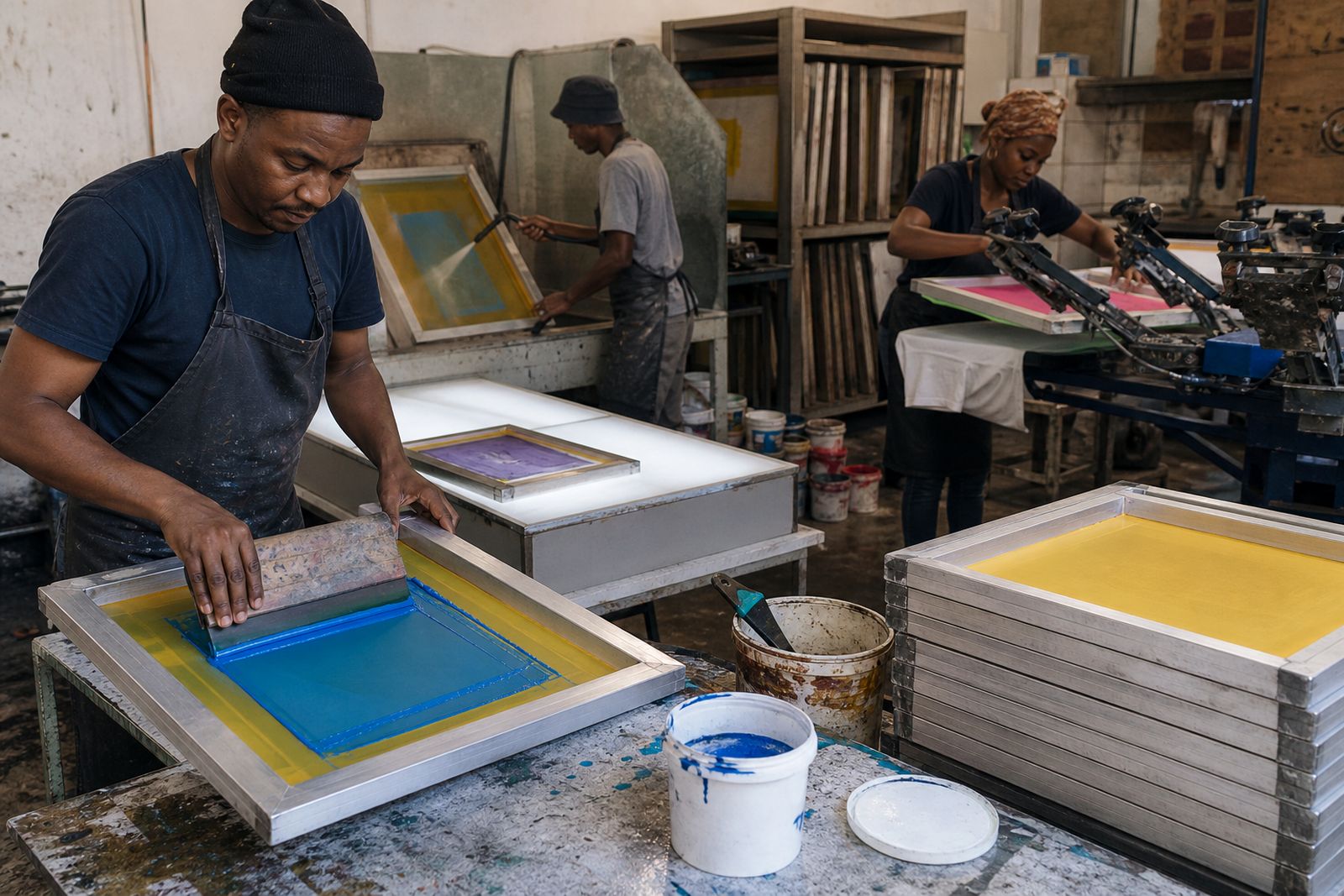
Take a clear photo of the coated screen while the surface is still wet and reflective. Include the squeegee side or print side note in the frame so the drying rack order makes sense later. That record helps when one shift sees pinholes or a heavier coat and needs to trace where it started.
Coating checks after reclaim
A reclaimed screen needs a different eye from a new frame. Look for haze in the mesh, edge nicks on the aluminium, and leftover tape gum near the inside corners before the scoop coater comes out. Short-run textile work, bottle prints, and flat stock all need the stencil thickness to suit the ink deposit you are chasing.
- Mesh opened and degreased properly
- Coater edge clean before first pass
- Pinholes flagged under good light
- Frame marked with mesh and job
Keep this brief with the matching screen guide and mesh note for the same screen room job. Use our contact form if your frame depth, mesh count, or stencil build falls outside the usual setup for South African print rooms.
Mesh warning signs on reclaim
Stop and reset if the emulsion pulls away from reclaimed areas, if streaks show from a damaged scoop edge, or if the mesh still carries blocked spots after washout. Recoating a bad screen wastes less stock than exposing and taping a stencil that will fail on press. Screen stencil jobs run cleaner when each screen gets the right coating method for the mesh and print detail.
Print rooms in Gauteng, Cape Town, Durban, and smaller production spaces around the country often pass screens between shifts. A short handover note with the kit name, coat count, and drying conditions prevents confusion when the screen comes back for exposure or touch-up.
What our Screen Stencil customers say
Verified Google reviews
Also worth a look
Tell us what you are printing
Send a note through our contact form with the inks and substrates you print, your mesh counts and frame sizes, your exposure unit and your town, and we will come back with practical advice and a quote.
Open the contact form