

Capillary soft rim
Soft shoulders for poster type without losing edge on solids.
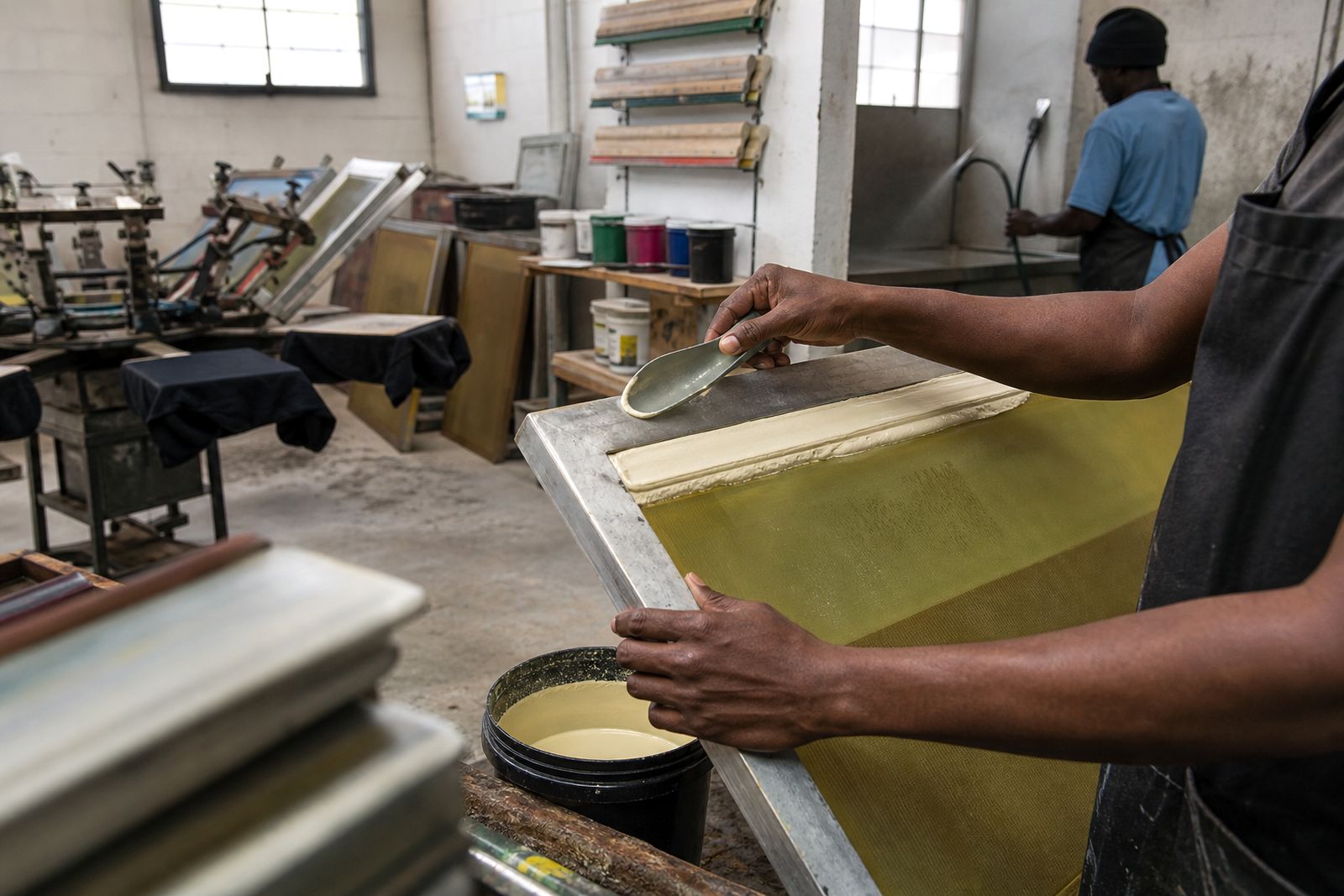
Poster edge checks
Capillary soft rim suits poster work where a hard capillary edge looks too clipped around type. The stencil build softens the shoulder while the solid area still prints with body on paper and board. In South African rooms this is often chosen for event sheets, art posters, and short museum runs that need a less brittle outline.
Watch the first pull on absorbent stock before you judge the edge. Dry inland air can make the print look sharper than it settles, while humid coastal rooms may let the ink sit wider for a moment. Check the rim under the same light used for approvals, not only at the press.
Pair this note with the mesh count and emulsion thickness written on the job card. A soft rim behaves differently on fine mesh than it does on a more open screen carrying heavier deposit. Teams in Salt River and the Highveld usually mark squeegee pressure as well, because pressure can erase the soft shoulder you set up to keep.
Add the linked stencil reference to the ticket under Stencils and the screen setup under Screens. If a reclaim or coating item is mentioned, check Kits before exposing the next frame. Capillary soft rim only reads properly when those notes travel with the same job card.
- First print kept beside approved artwork
- Mesh count written on the frame
- Squeegee durometer noted for reruns
- Paper stock named with supplier batch
- Glass cleaned before exposure check
When a note does not match your setup, send it through our contact form so we can rewrite the card.
Small habits keep capillary soft rim useful after the first pass.
Short note for busy presses
Capillary soft rim is easier to use when the note sticks to press decisions. Most crews need the mesh, coating feel, exposure result, and print behaviour in two quick reads. Long theory tends to disappear once washout starts and the next frame is waiting.
Coastal shops often report softer spread on faded or damp paper, especially on overnight deliveries. Inland rooms more often flag dust on the glass or static lifting small fibres before exposure. Bring a marked sample if the shoulder looks wrong, because the rim issue may sit in stock condition rather than in the artwork file.
Screen print rooms often need a usable stencil note, not a sales pitch. It helps when the brief includes the substrate, intended ink laydown, and whether the edge must hold on solids or soften around lettering.
What our Screen Stencil customers say
Verified Google reviews
Also worth a look
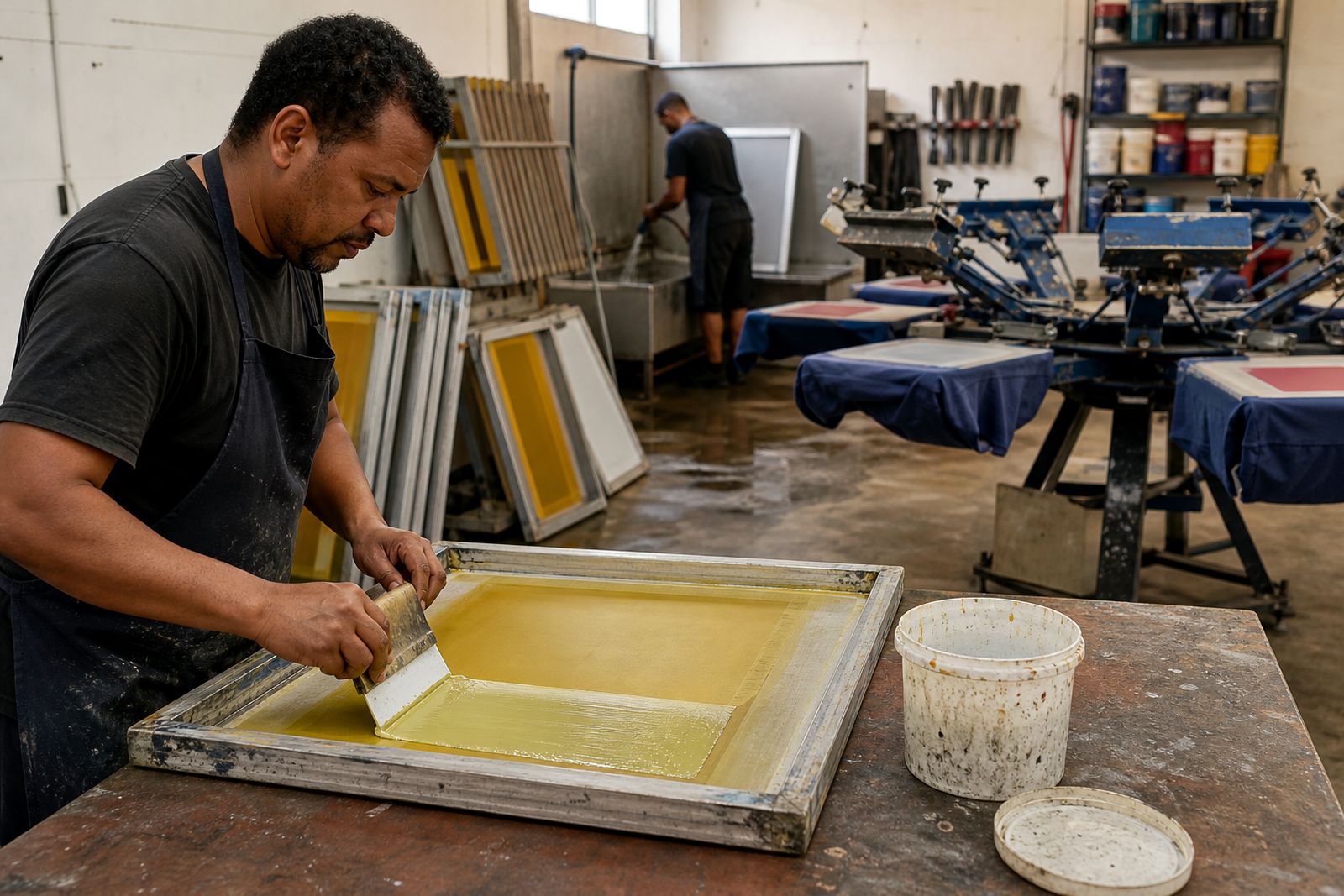
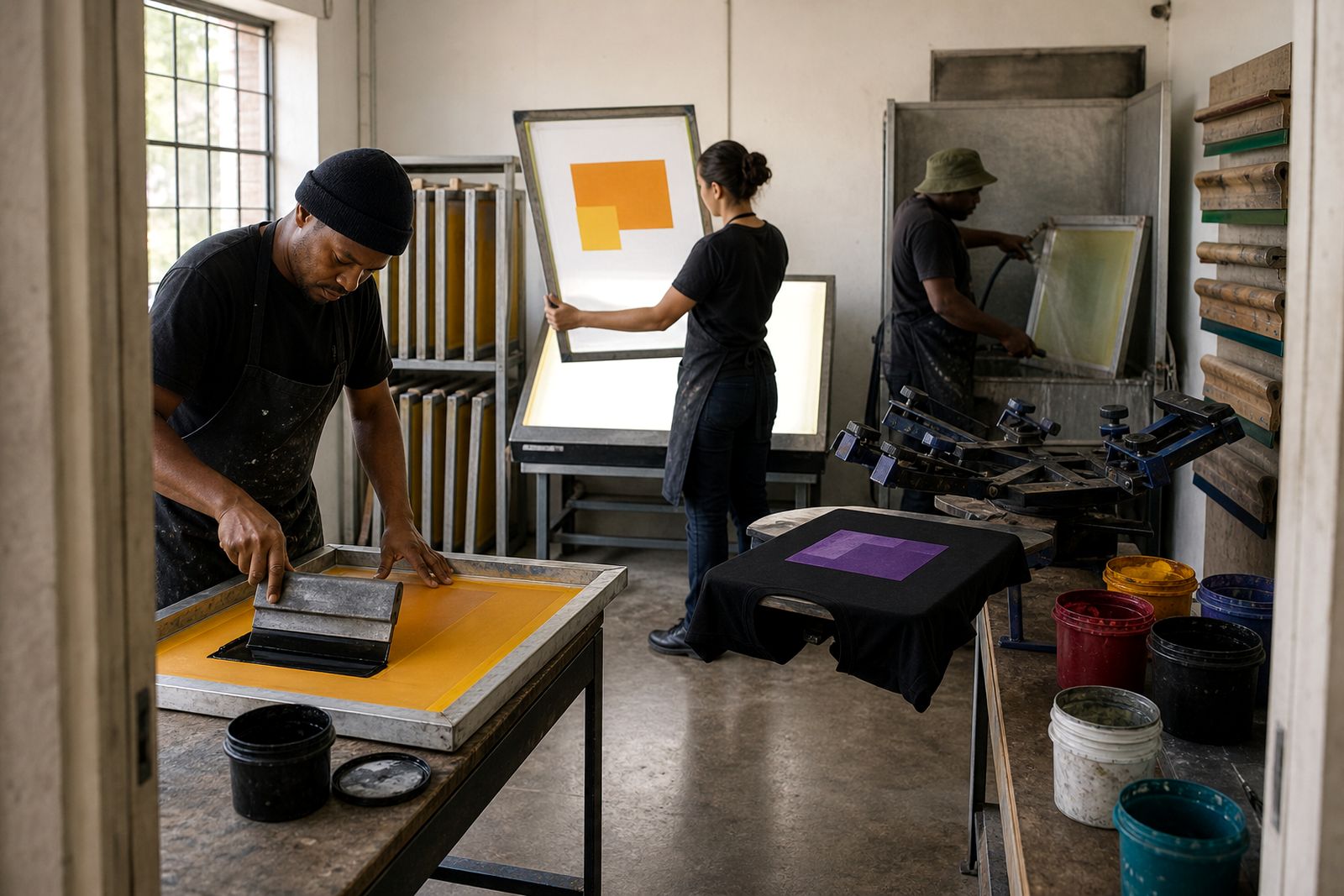
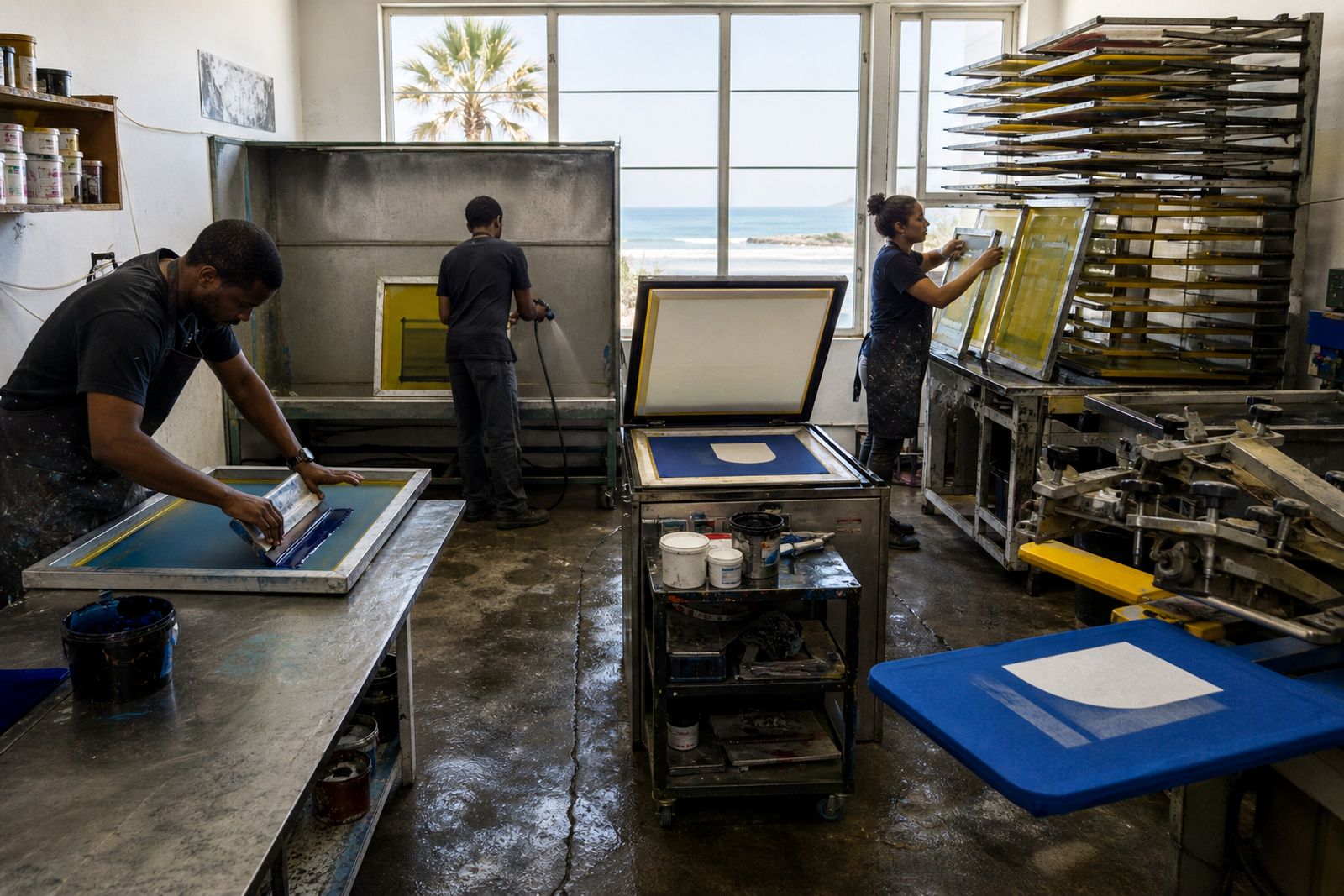
Tell us what you are printing
Send a note through our contact form with the inks and substrates you print, your mesh counts and frame sizes, your exposure unit and your town, and we will come back with practical advice and a quote.
Open the contact form