

Pinetown teaching studio
Teaching studio diazo week with first-burn calm.
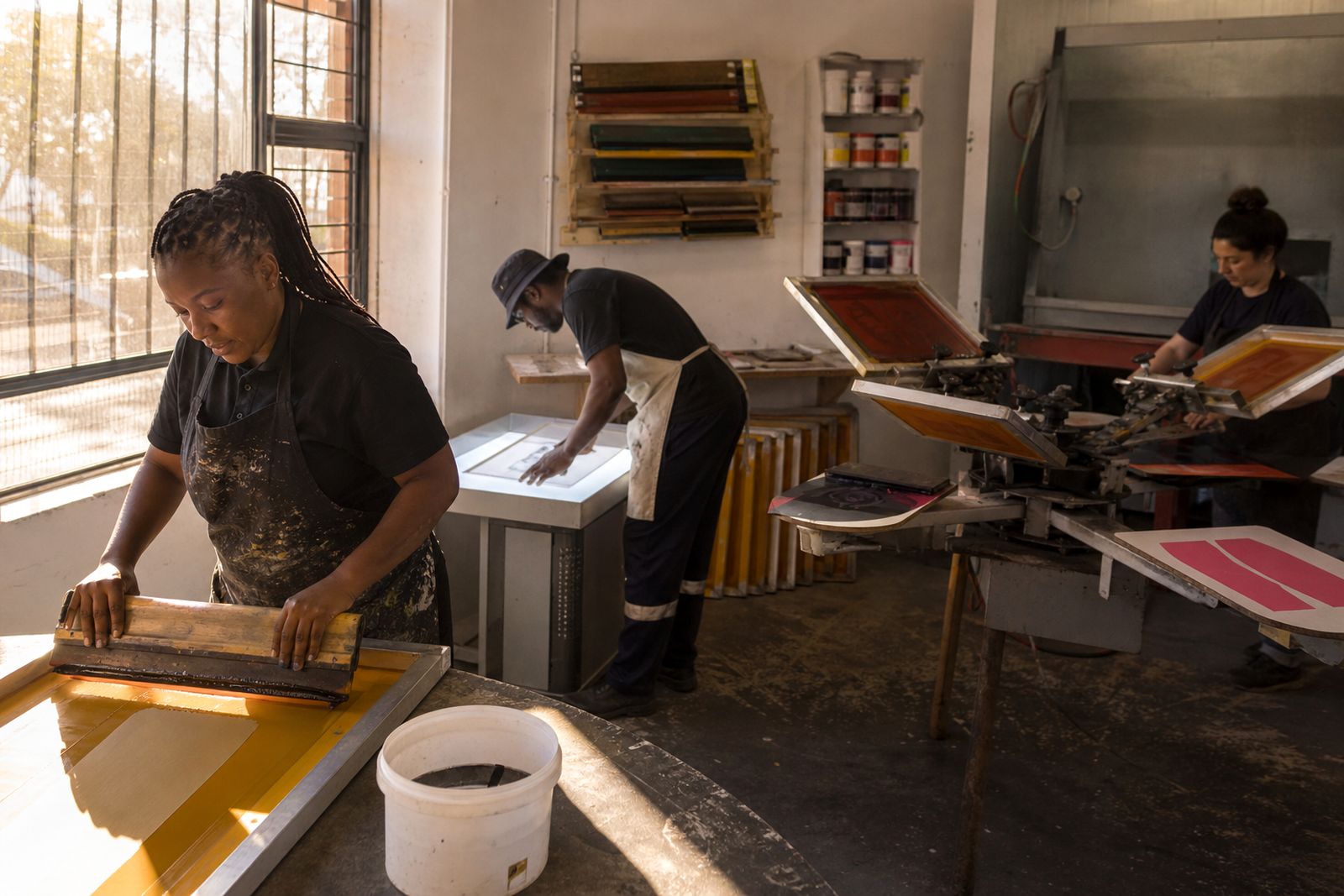
Pinetown teaching handoff
For a job built like Pinetown teach, send the brief through our contact form and include the room use, frame size and mesh count you want checked. A phone snap of the first burn, the teaching notes, or the marked proof helps us match the stencil to how a Durban-side print room actually sets up during training.
Shipped items
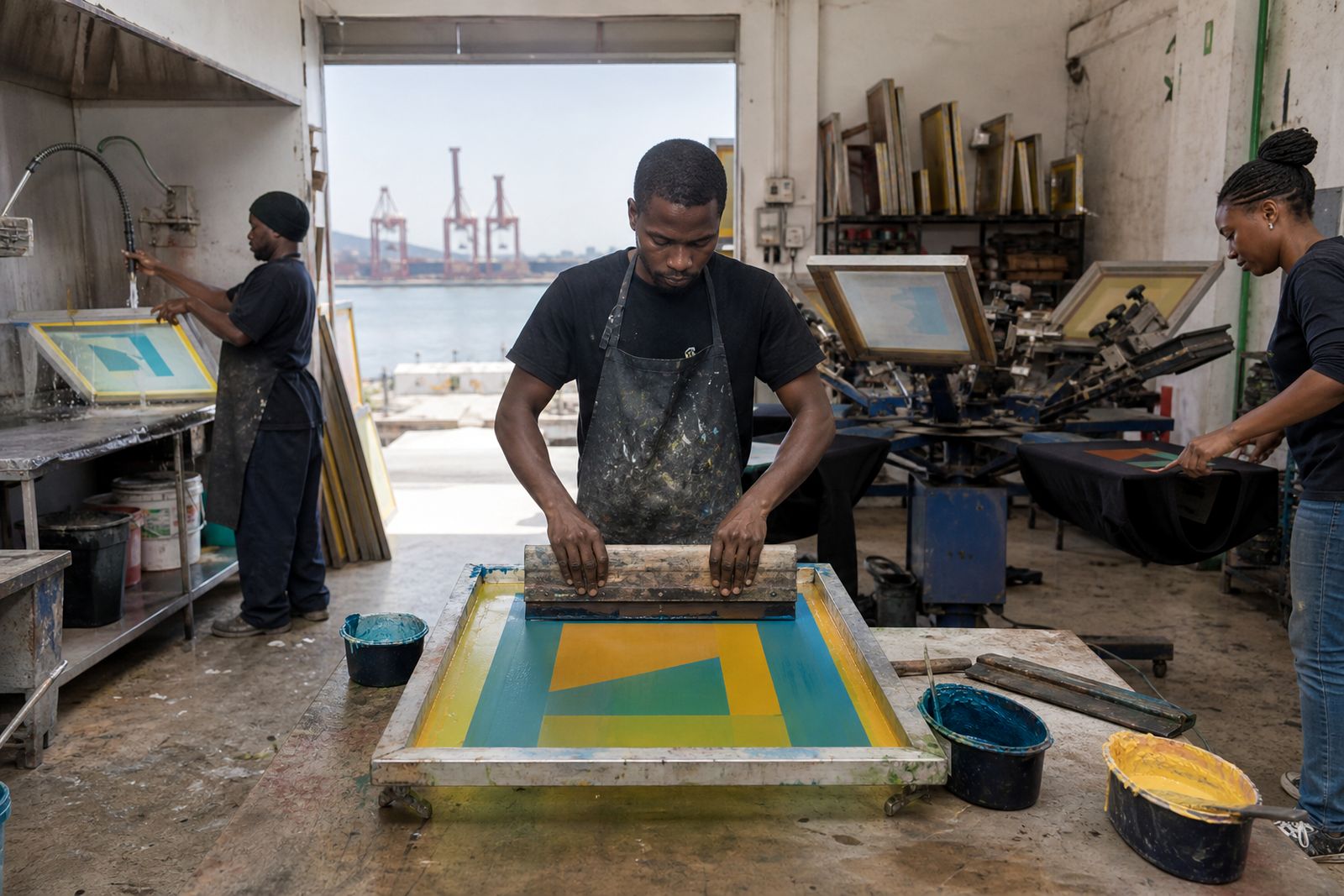
This pack centred on a teaching bay where diazo mesh coat had to read clearly for a new staff member before exposure and washout. Under Gallery we filed the proof photo and handoff reference, while diazo mesh coat and teaching studio stay linked here because the lesson depended on coating order, mesh condition and the final pass to production.
- Proof photo logged with the ticket
- Proof photo filed
- Teaching notes matched to mesh coat
Checking the first burn
When a training room is being set up, the first burn tells a clear story. We look at the stencil type, the mesh count, the tension in the frame, and whether the exposure ran cleanly with the lamp that was in use. That matters whether the job is for garment print, a poster sample, or a sign panel, because the way the image opens in washout affects the next step.
For screen print rooms in South Africa, we often talk through dual-cure, diazo and SBQ emulsions, along with capillary film where the brief calls for it. We also check coating method, scoop coater handling, pinholes, touch-up, reclaim, and haze removal so the screen is ready for the next run. If the job sits in coastal humidity or dry Highveld air, that changes how the coating behaves.
Matching the room to the work
The practical side is always the useful side. A teach session may need an aluminium or timber frame, a different mesh count, or a change in coating technique before the stencil behaves the way the printer expects. If the room is working with plastisol, waterbase or discharge inks, we keep the conversation tied to what will happen on press, not just in theory.
- frame condition and mesh tension
- exposure timing and lamp age
- washout detail, pinholes and touch-up
- reclaim, haze removal and screen prep
Power cuts can shift exposure timing, so it helps to compare notes from the actual burn and the actual washout. Send site photos and use the contact form to ask for a quote, and include the room setup, mesh count, frame size and ink system being used.
Showroom support across South Africa
Screen Stencil works from a stencil studio in Salt River, Cape Town, and the showroom network helps keep those technical conversations close to where people print. You can speak with the team at Tyger Valley, Clearwater, Cresta, Pavilion, Baywest, Mimosa or Riverside when you need to discuss emulsions, frames, mesh, or exposure questions in person.
We keep the approach practical and specific to South African screen printing rooms. That means talking through what the screen needs to do before the first pass, how the stencil should open, and what the printer needs to see before production starts.
What our Screen Stencil customers say
Verified Google reviews
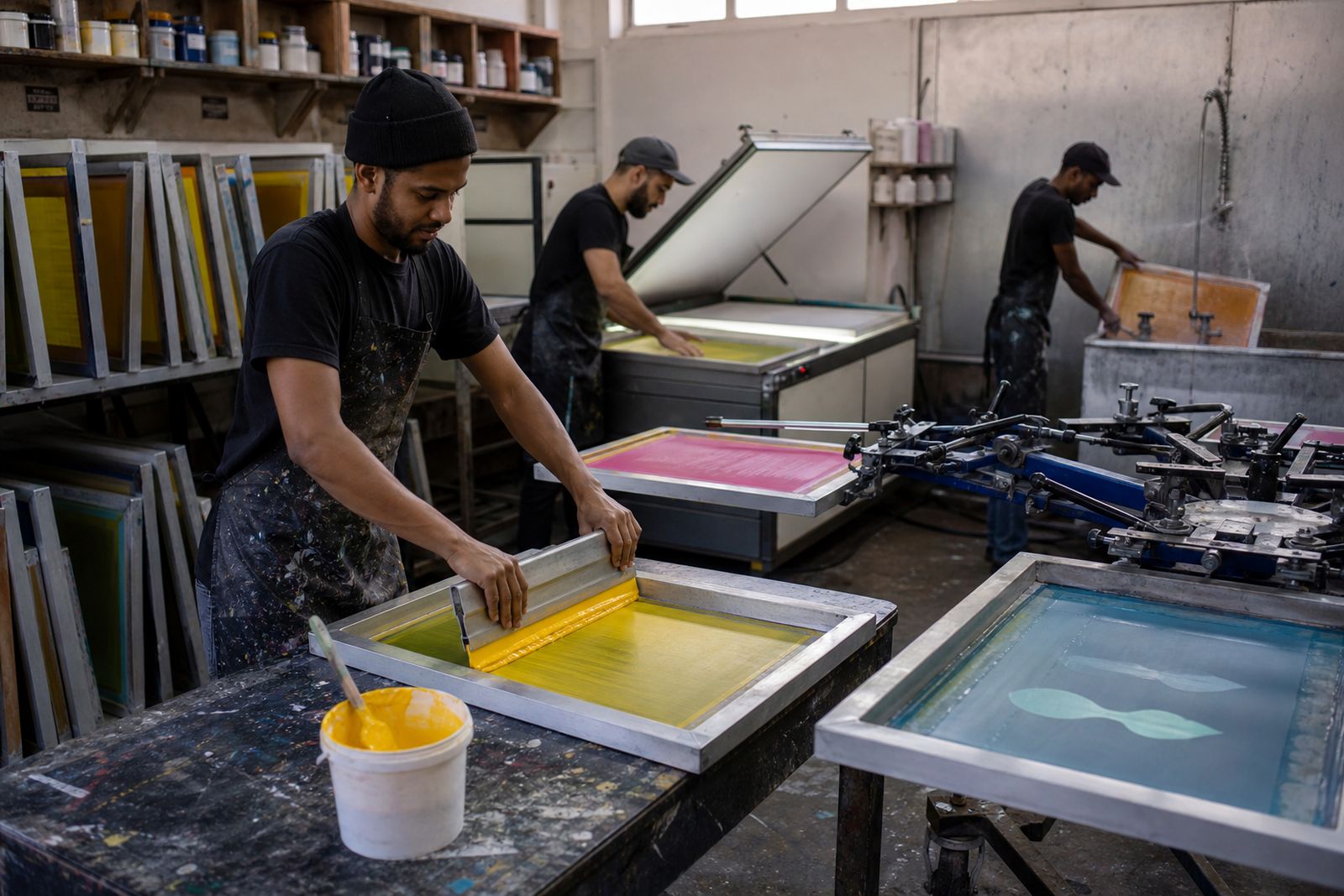
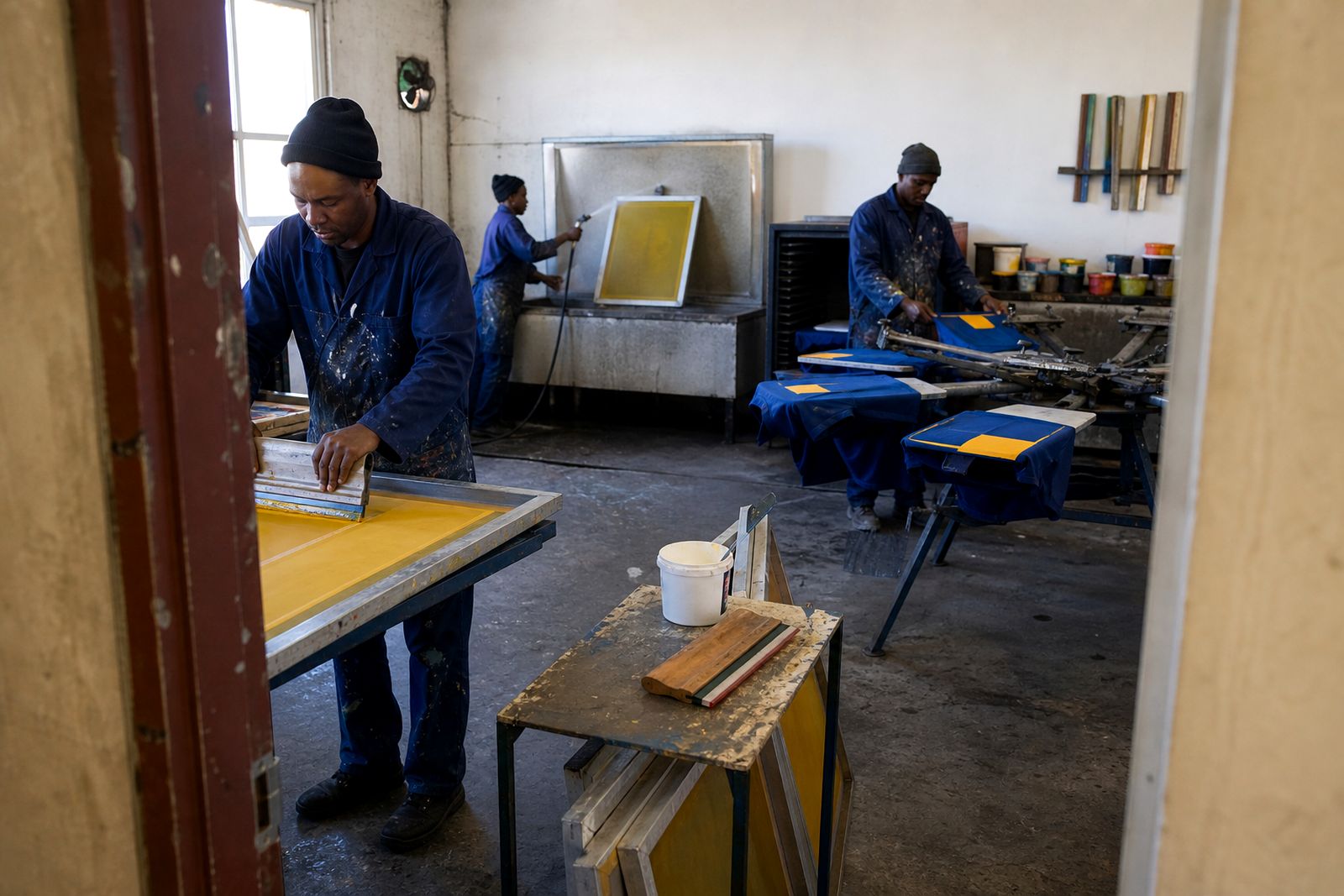
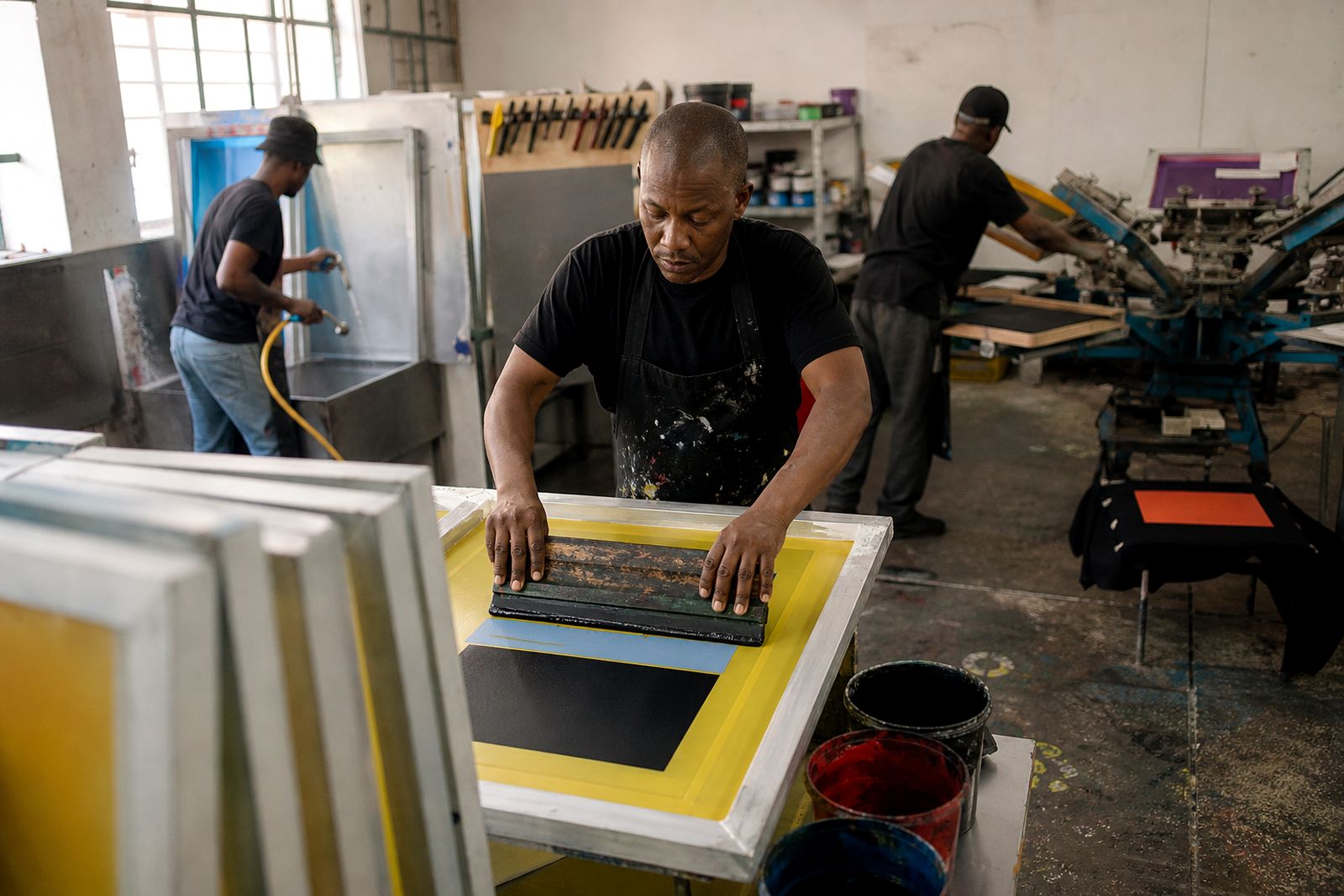
Tell us what you are printing
Send a note through our contact form with the inks and substrates you print, your mesh counts and frame sizes, your exposure unit and your town, and we will come back with practical advice and a quote.
Open the contact form