

Lamp age truth
Old lamps, honest calc cards, and when to stop guessing.
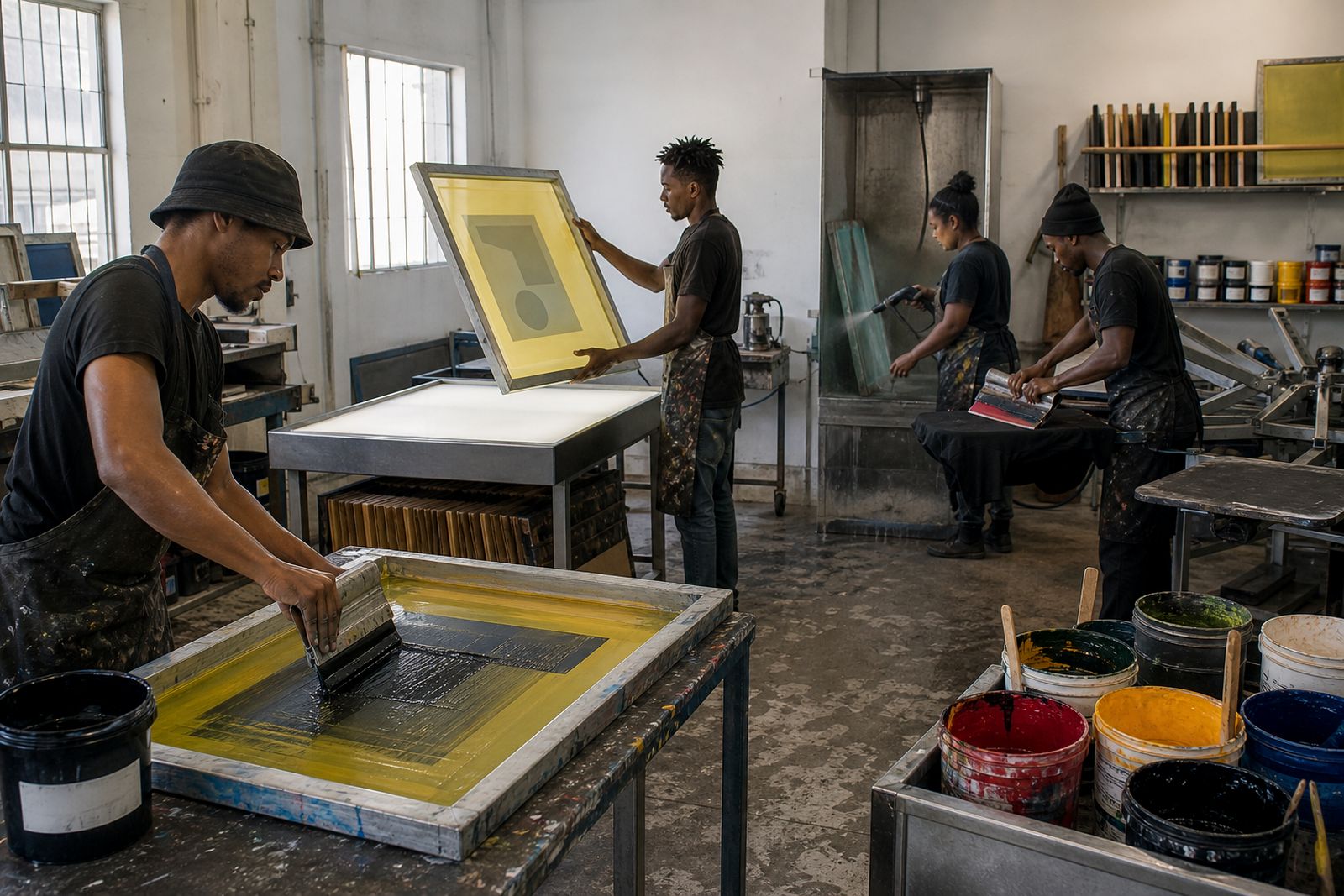
Lamp checks before coating starts
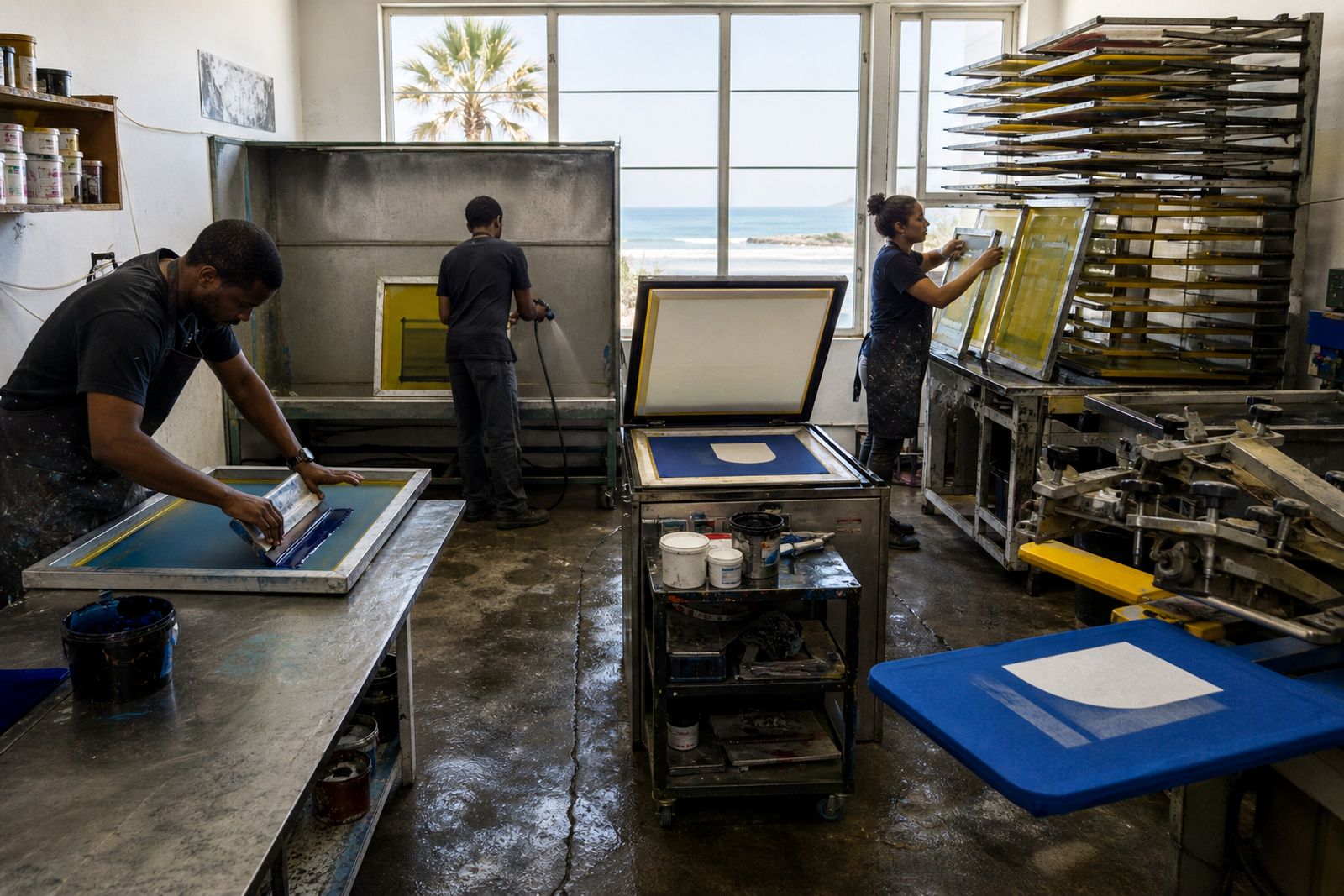
Lamp age truth is a bench note for exposure units that are drifting out of step with the card on the wall. It sets out for print rooms that still run mixed lamp histories, mixed meshes, and jobs from both inland and coastal clients. It focuses on when light output has changed enough to affect stencil build, hold, and reclaim decisions.
A tube can still fire cleanly and yet expose slower than the card from six months back suggests. That shows up first on fine text, small knockout gaps, and edges that wash softer than they did on the last repeat order. In South African rooms, dust on the glass and power dips during the day can hide the real issue, so lamp age needs its own check instead of a guess.
Use this note with the exposure calculator, the mesh count on the frame, and the emulsion record for that coating batch. When one label disagrees with the others, update the card before the screen goes under vacuum. Salt River crews often keep these notes next to the unit because a Durban return job and a Gauteng rerun do not behave the same after storage and transport.
Mark the job card with the exposure source used and keep the related steps under Stencils and Screens. If a frame needs fresh mesh, vacuum glass cleaning, or a replacement accessory, check Kits before the screen reaches the washout bay. That keeps the lamp note tied to the actual hardware, not memory.
- Step wedge result from today's lamp
- Mesh count written on the frame
- Coating date matched to exposure card
- Lamp hours noted after the run
- Glass wiped before test exposure
When a note does not match your setup, send it through our contact form so we can rewrite the card.
Small habits keep lamp age truth useful after the first reading.
Where fading starts showing first
Rush tickets usually work better without a long explanation up front.
The shortest useful lamp note names the unit, the reading, and the screen behaviour that changed. That is enough for a night lead to compare two cards without paging through old tickets.
Print rooms supplying work into Clearwater, Cresta, Pavilion, Tyger Valley, Baywest, Mimosa, and Riverside often see the same artwork return on different meshes and different exposure units. Bring the used calc strip, one approved print, and the failed screen note if you have them. Those three items tell more truth about lamp age than a handoff from a busy counter.
Screen Stencil deals with print rooms that need stencil and mesh information recorded clearly for exposure, washout, and repeat setup.
What our Screen Stencil customers say
Verified Google reviews
Also worth a look
Tell us what you are printing
Send a note through our contact form with the inks and substrates you print, your mesh counts and frame sizes, your exposure unit and your town, and we will come back with practical advice and a quote.
Open the contact form