

Waterbase resist habits
Water-resist habits for discharge and soft-hand waterbase.
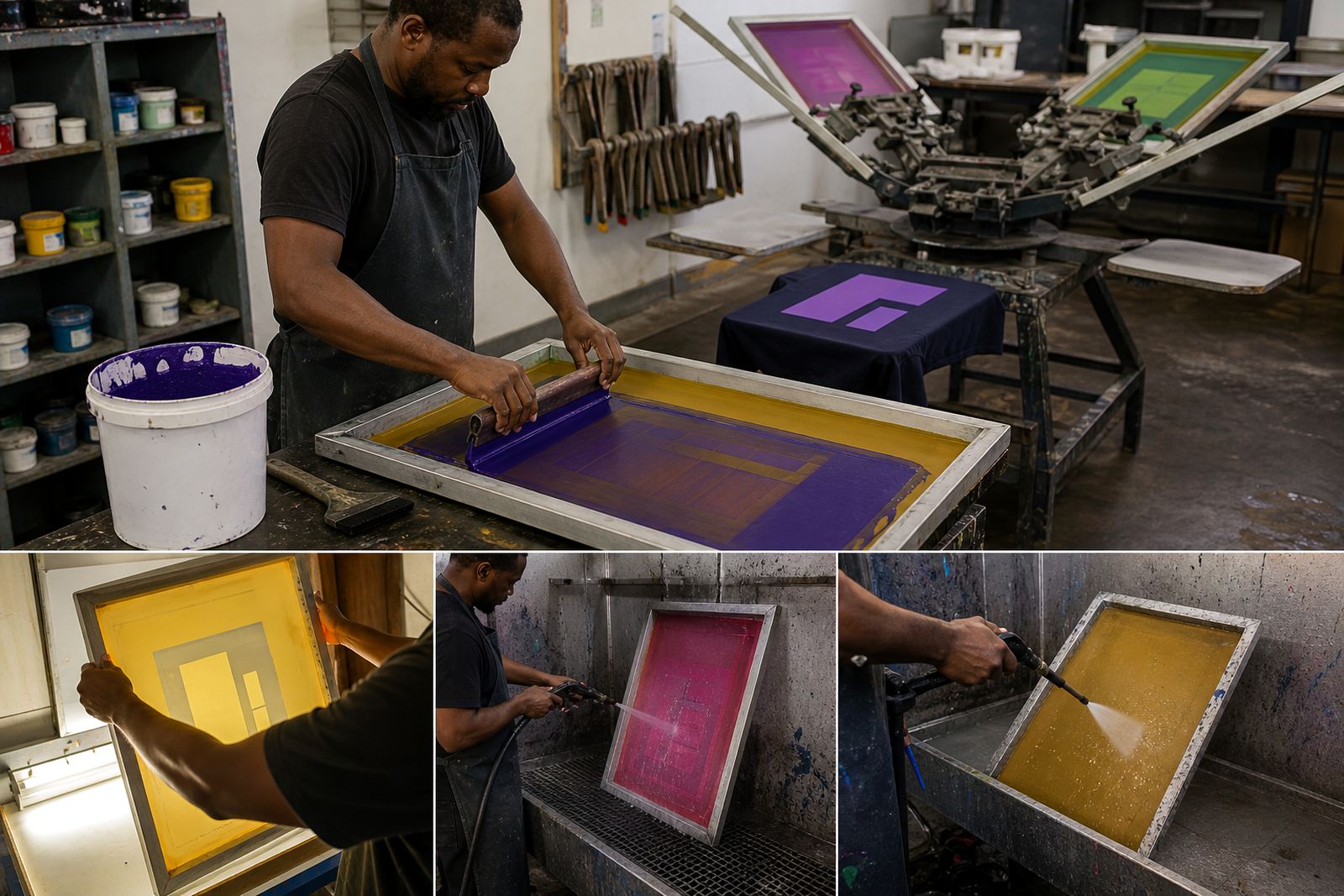
Waterbase stencil checks before print
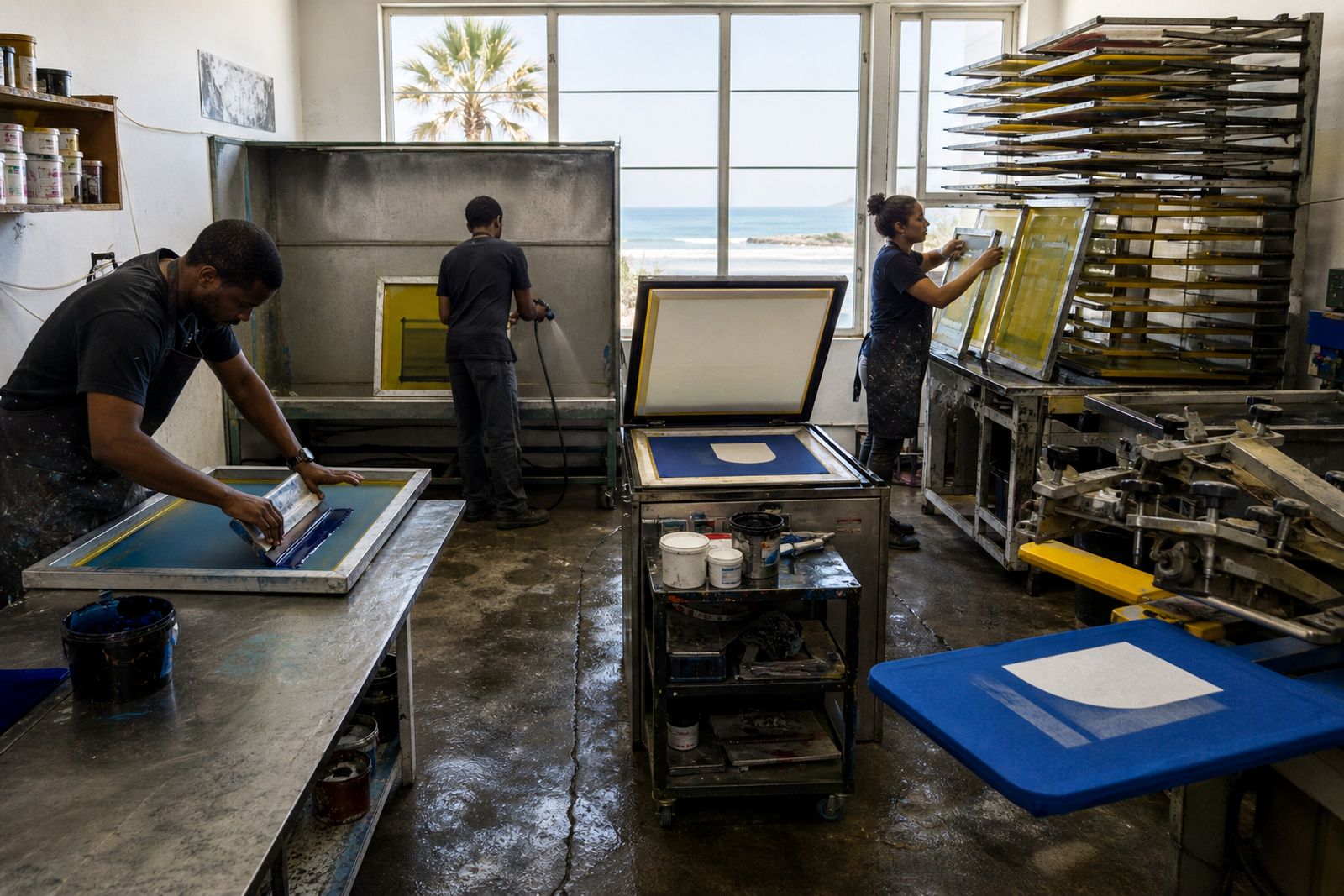
Waterbase resist is the shop note for holding open detail when water-based ink, discharge paste, or retarder wants to soften stencil edges. It belongs next to the mesh count, coating method, and exposure record, not buried in a long training file. On South African runs, it is most useful where humidity, heat, or dusty artwork can change how a screen behaves between prep and print.
A resist check matters when a waterbase screen looks fine dry, then starts breaking down after the first few pulls. Coastal rooms often fight moisture in coated mesh, while inland rooms can battle fast drying on the screen and fine pinholes from dusty positives. This note points to the checks that stop soft detail, blocked text, and premature stencil wear before the job is blamed on ink alone.
Compare the frame tag, artwork file, and reclaim history for the screen in front of you. If the note says waterbase resist but the screen was prepped for plastisol habits, change the setup before loading ink. In Cape Town and Durban, a damp morning can alter drying and exposure; on the Highveld, dry air can push operators to over-flood and stress the stencil.
Mark the ticket with the resist note, then match the artwork to the correct screen route under Stencils and mesh route under Screens. If the job calls for blockout, scoop coat, degreaser, or reclaim chemistry, pull the matching consumables from Kits before the frame reaches press. That keeps waterbase work from being mixed with the wrong prep materials halfway through setup.
- Check emulsion edge after flood stroke
- Record mesh count on the frame
- Note discharge or standard waterbase
- Write squeegee hardness on the card
- Inspect positive for dust before exposure
When a note does not match your setup, send it through our contact form so we can rewrite the card.
Small habits keep waterbase resist useful after the first check.
Where resist notes earn space
Too much explanation can bog down a rush ticket.
Waterbase jobs usually need fewer words and better checks. A press minder wants to know whether the stencil can hold halftones, small type, and long runs under wet conditions, not read a lecture about process. Keep the note tied to mesh, coat, exposure, and washout behaviour.
Print rooms serving centres such as Clearwater, Cresta, Pavilion, Tyger Valley, Baywest, Mimosa, and Riverside often receive artwork and garments from different suppliers on the same day. When the screen arrives with a clear resist note, the next room can see whether the stencil was built for a soft-hand waterbase white, a discharge base, or a short promo run with fine text. Bring a marked sample or used screen photo if fading, undercutting, or stencil swelling only shows after several prints.
For discharge and soft-hand jobs, send the mesh count, ink system, and garment colour with the brief. That helps the waterbase resist notes line up with the stencil file, reclaim method, and exposure checks used in the print room.
What our Screen Stencil customers say
Verified Google reviews
Also worth a look
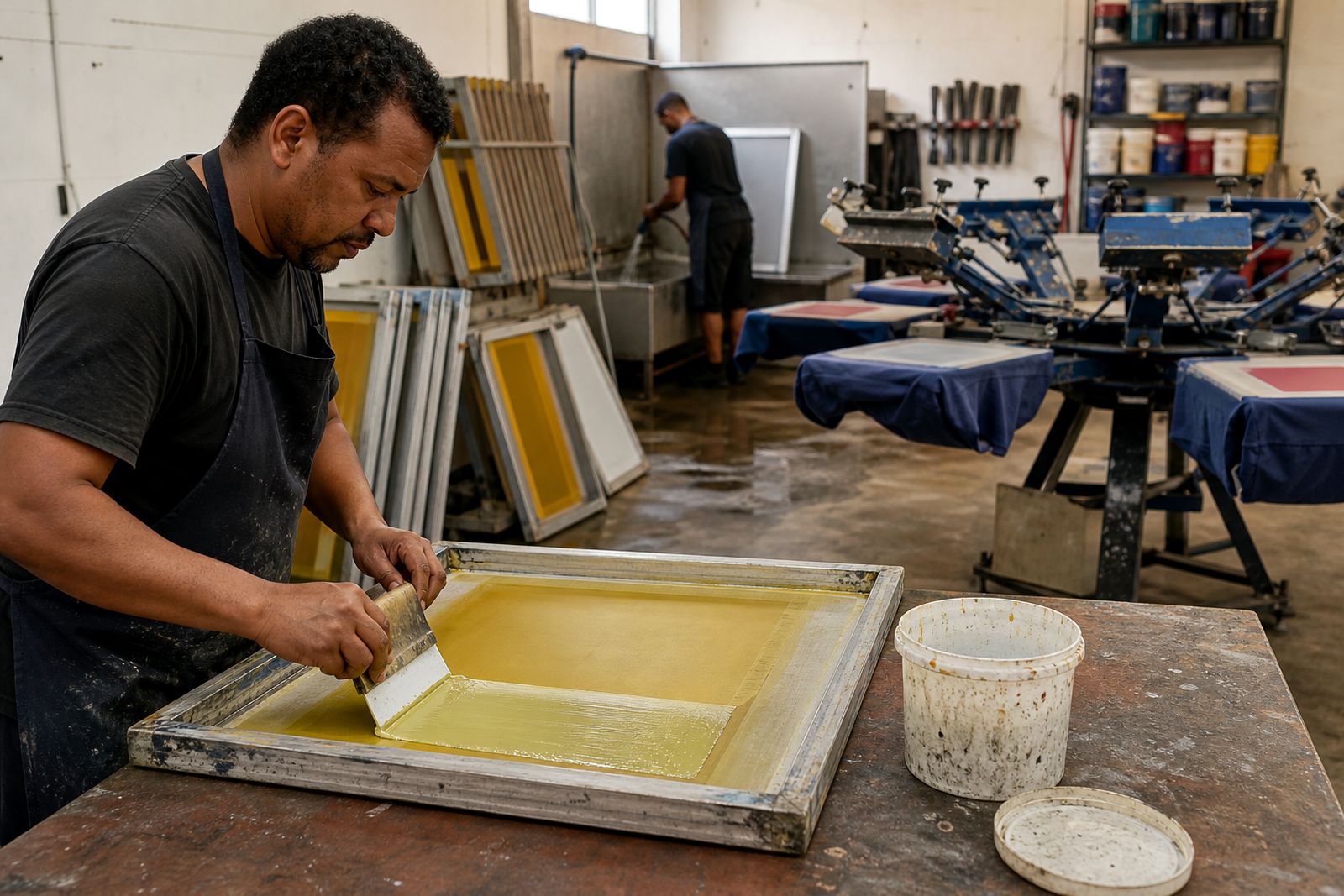
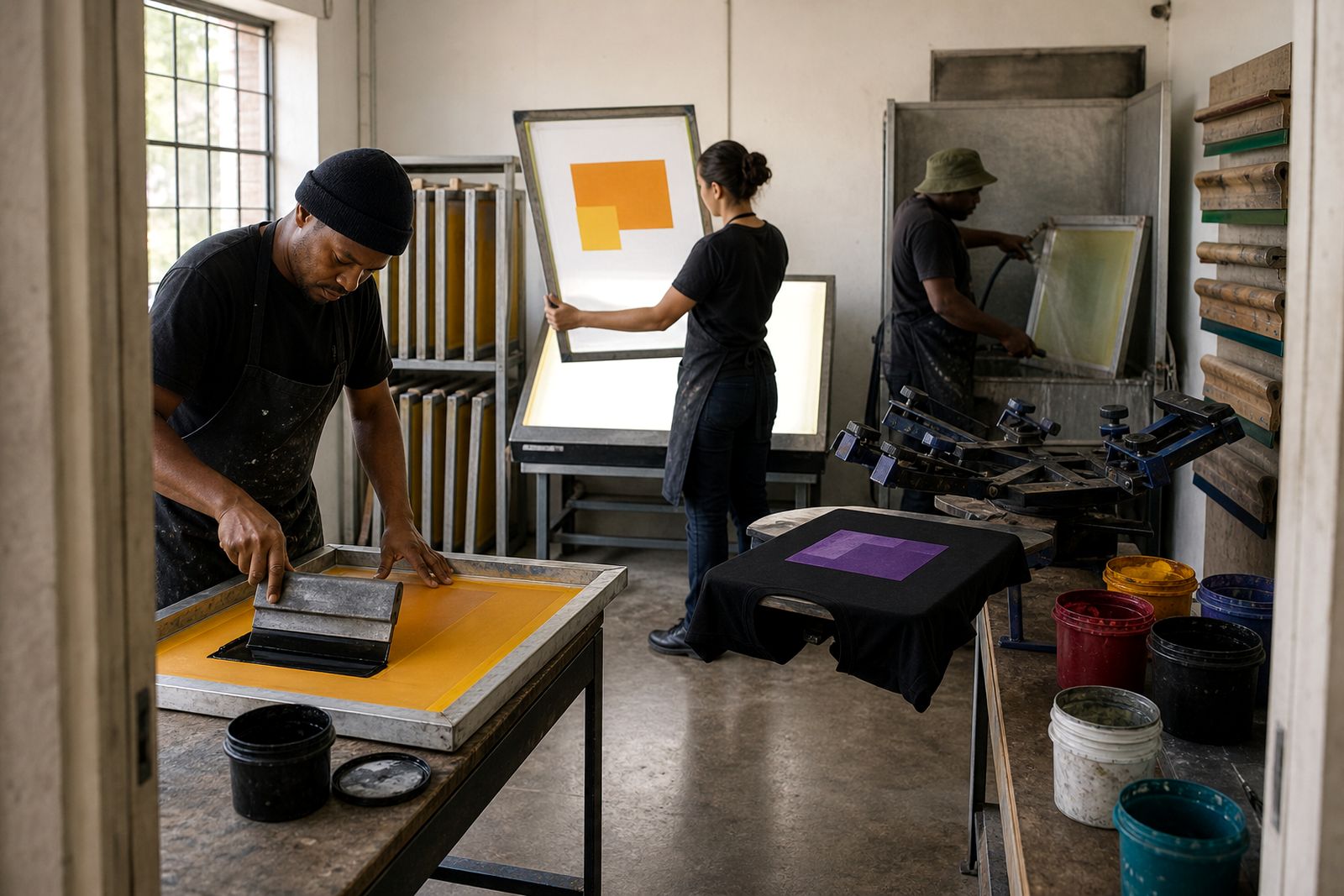
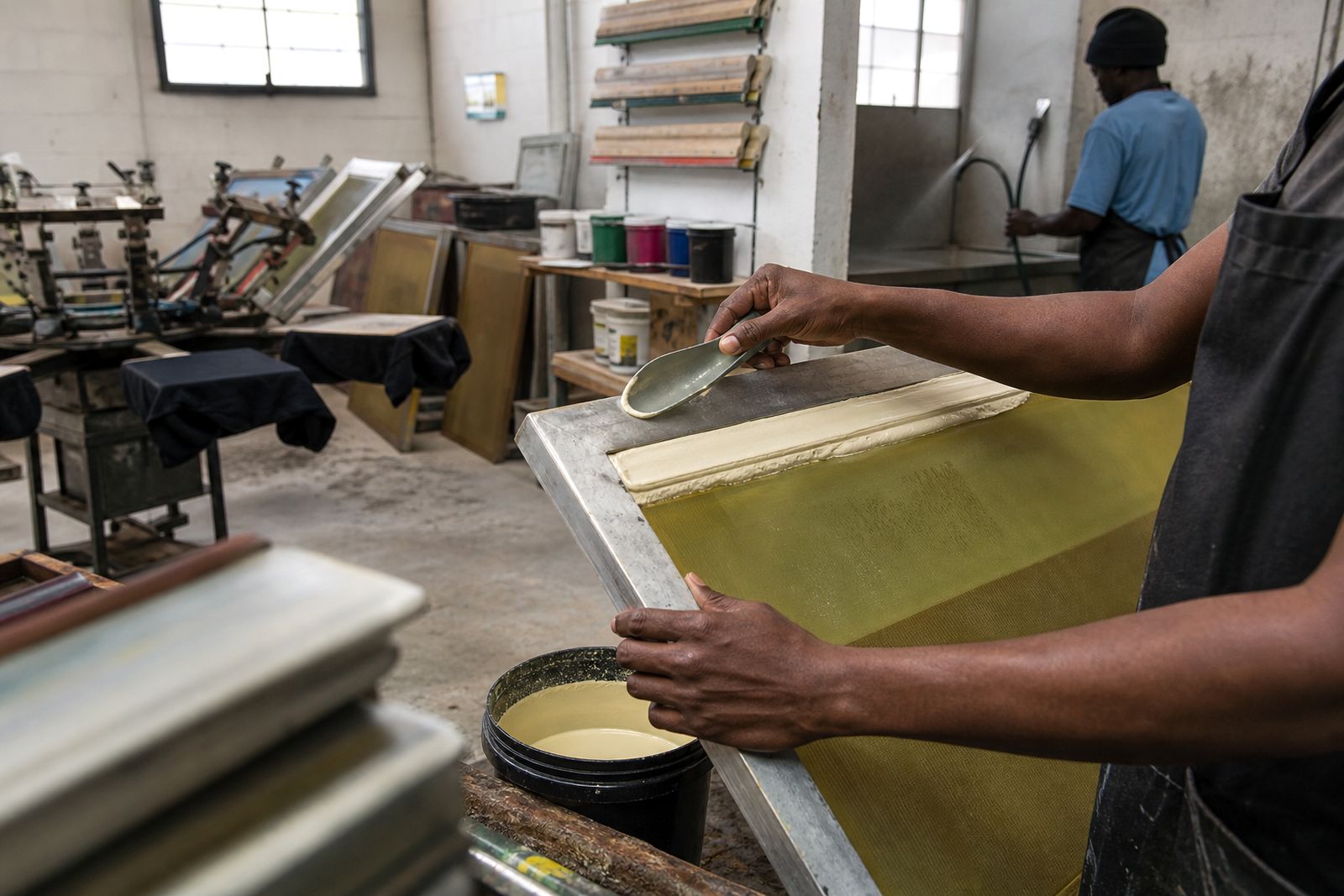
Tell us what you are printing
Send a note through our contact form with the inks and substrates you print, your mesh counts and frame sizes, your exposure unit and your town, and we will come back with practical advice and a quote.
Open the contact form