

Packaging sample screens
Sample screens for cartons and wraps before the long run.
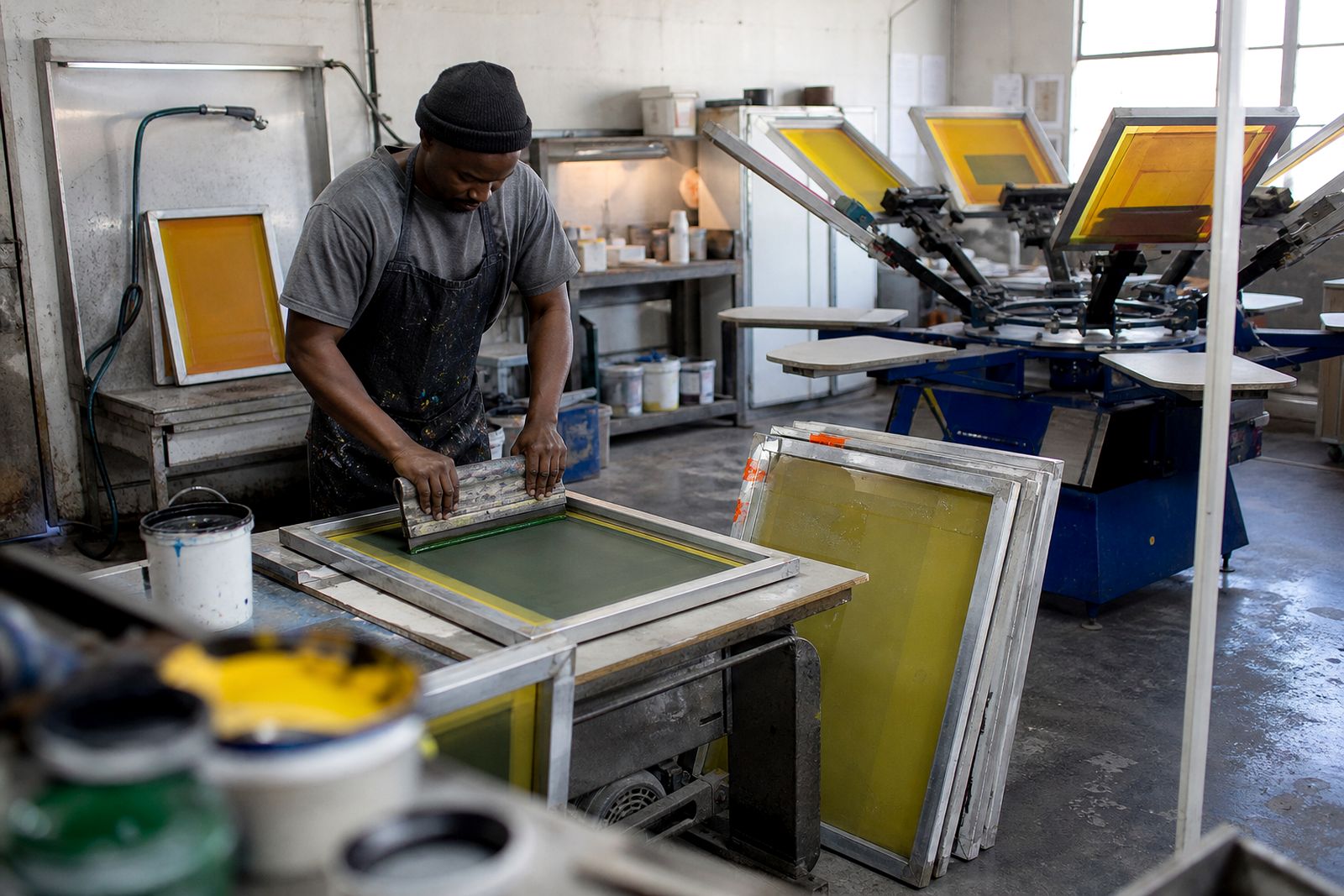
Packaging sample screen route
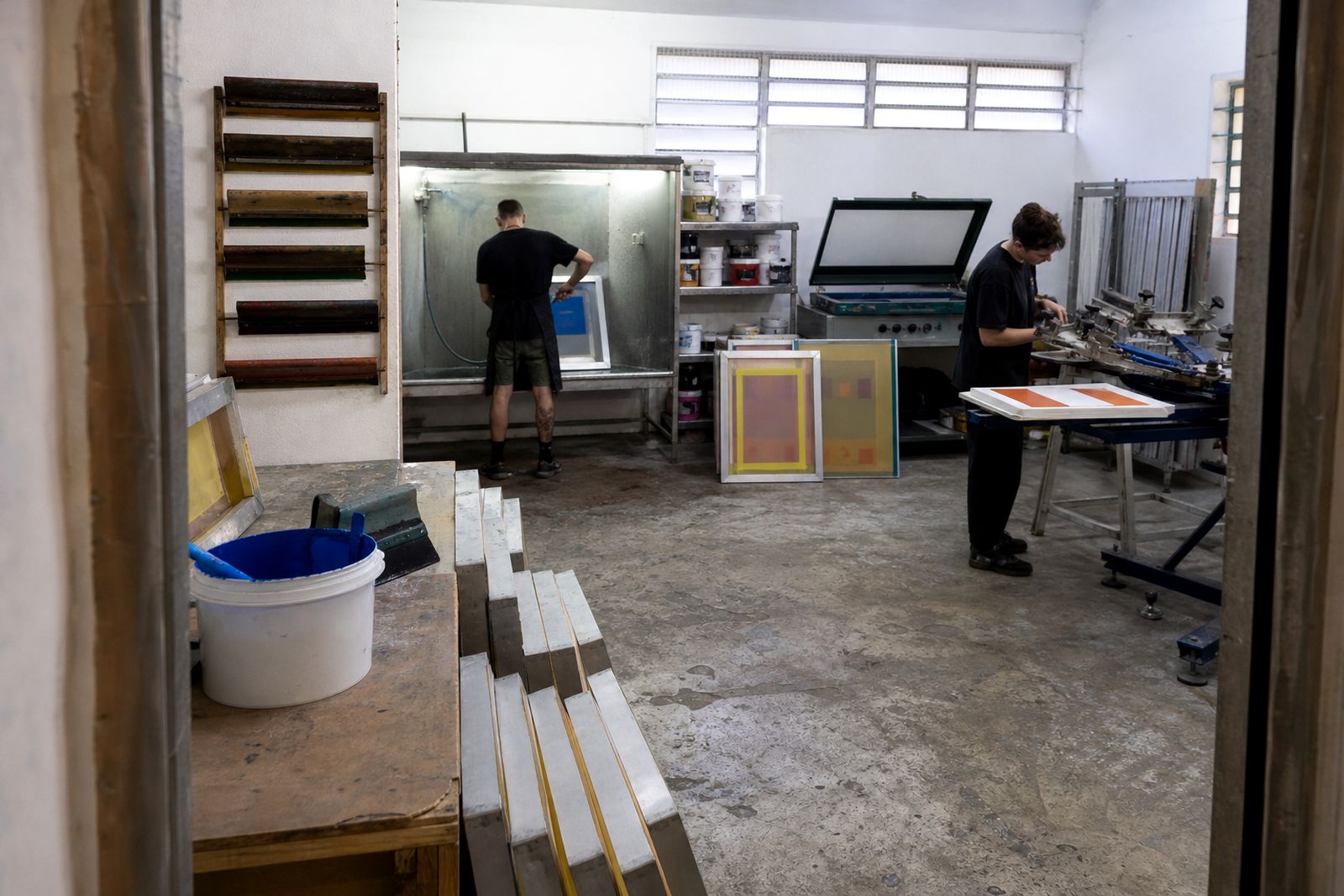
A packaging sample screen is built to prove print on cartons, sleeves, wraps or labels before volume production starts. The featured setup is direct emulsion high mesh, which suits finer copy, bar areas and neat edge definition on sample work. If the sample will run on uncoated board, laminated stock or a film wrap, note that in our contact form so stencil build and mesh choice match the substrate.
Sample packs in South African print rooms often move between dry inland air and damp coastal conditions, so screen prep must be written down clearly. Record the mesh count, squeegee hardness and ink type on the job card before the first pull. Check related pages for Stencils and Mesh when the team needs the same wording across day shift and night shift.
Packaging trials go wrong when the screen note sits in one place and the stock note somewhere else. Keep the ticket card with the sample itself, especially when varnish, fold lines or wrap overlap affect the print area. That way the next operator sees the agreed format and finish before another screen is exposed.
Sample setup on packaging stock
- List board, wrap or label material
- Mark approved colour names on ticket
- Test print on actual sample stock
- Check detail around folds and seams
- Store screen notes with sample pack
For packaging sample work, the ticket should show more than artwork and colour. Add the print side, stock thickness, drying method and any cutter or creaser reference that affects image position. After a power cut or overnight stop, run one fresh test on the agreed substrate before touching the client sample pieces.
Coastal rooms should watch moisture pickup on carton board, especially before exposing or reclaiming high mesh screens. Highveld shops usually need closer attention to static, dust and ink body on lightweight wraps. Night teams should note whether the sample is for shelf mock-up, transit testing or sales approval, because each use changes what gets checked first.
Typical use in South African print rooms
These sample screens are commonly prepared for folding cartons, takeaway sleeves, shrink wraps, bottle labels and promo packs. They suit print rooms supplying retail, food service, cosmetics and short presentation runs where one approved sample must guide the full job. Around Gauteng, Durban and Cape Town, teams often need the sample to match the final pack structure as closely as possible.
Screen Stencil keeps its range focused on stencils, mesh and frames for South African print rooms.
Bring the actual board or wrap material when a sample screen is being discussed. Surface coating, absorbency and pack shape can change how the stencil performs, even when the artwork stays the same. A physical reference helps the room set image placement near scores, flaps and glue zones.
Pre-press checks for sample screens
- Main product: direct emulsion high mesh
- Format and finish agreed
- Board grain direction noted on card
- Glue flap kept clear of print
- Approved sample filed for shift handover
Read the matching mesh note before exposing a replacement screen for sample packaging. Use the contact form if the pack shape needs a quick layout sketch or the print area crosses scores, folds or wrap joins. Pair the ticket with a kit guide when cut guides, registration marks or handling cards are part of the setup.
What our Screen Stencil customers say
Verified Google reviews
Also worth a look
Tell us what you are printing
Send a note through our contact form with the inks and substrates you print, your mesh counts and frame sizes, your exposure unit and your town, and we will come back with practical advice and a quote.
Open the contact form