

Sports kit screens
Club kits with blockout edges that survive pile after pile.
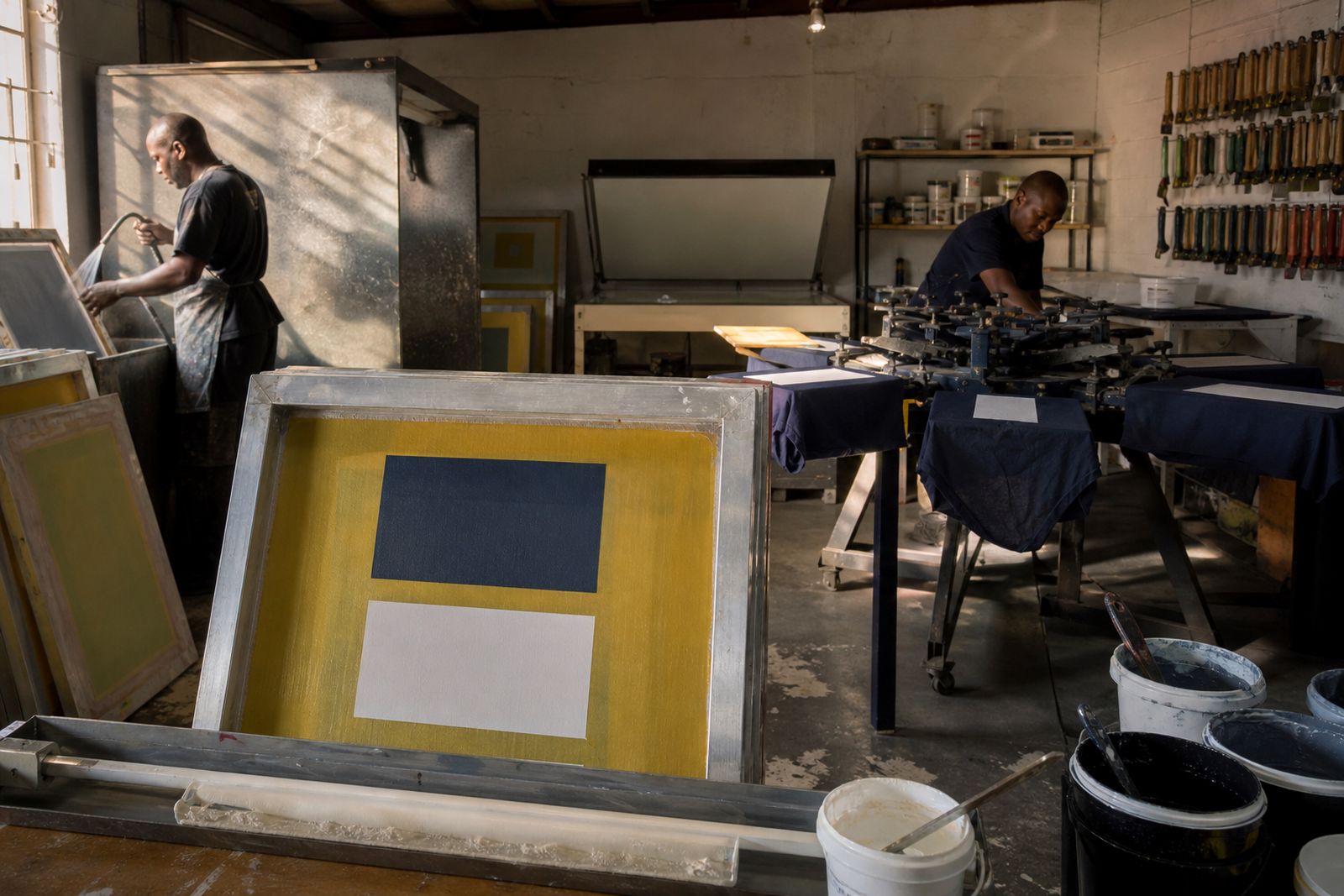
Sports kit screen route
Sports kits bring repeat numbers, player names, sponsor marks, and dark polyester that can show pinholes fast. This guide is built around blockout edge seal so edges stay clean on pile after pile, especially when white or bright inks sit over navy, black, or bottle green. Use our contact form if the run includes mixed garments, sleeve hits, or separate front and back screens.
A South African print room can move from dry inland air to a damp coastal spell without much warning, and mesh tension shows it first. For long kit runs, keep Stencils and Mesh notes next to the press so the crew can check count, coating choice, and exposure before the second stack is loaded. Number sets and crest details need sharp shoulders, not soft edges from a tired screen.
Club work often changes after approval when squad lists are updated or a late sponsor logo arrives. Write the garment colour, print order, and name set version on the same job card so front chest prints do not drift from back numbers. When piles build up beside the carousel, that single card matters more than chat history.
Run order for teamwear
- Match garment colour to ink laydown
- Check number height against league spec
- Test white over dark polyester
- Inspect first crest for edge bleed
- Mark completed sizes by carton
Sports kit jobs are rarely one graphic on one fabric. You may be printing names on lightweight training tops, large back numbers on match shirts, and sponsor art on heavier supporters' stock in the same shift. Keep separate screen notes for each placement so a press stop after power cuts does not restart with the wrong flood or squeegee pressure.
Coastal rooms should watch drying between pulls when moisture sits in the air, especially on fine text under sponsor marks. Highveld rooms usually need extra attention on static, lint, and powdery dust around stacked garments. Night crews should record which pallets carried youth sizes and which held adult cuts, because off-centre placement shows quickly on narrow shirts.
Press-side card position
This ticket suits schoolwear suppliers, club kit decorators, and contract printers handling tournament orders across Gauteng, the Cape, and KZN. It also fits work where one badge repeats across many sizes while player names change every few shirts. The main aim is stable edge hold through a long run, not a once-off sample print.
Screen Stencil keeps its range focused on stencils, mesh and frames for South African print rooms.
Bring an actual shirt if the fabric is slippery, ribbed, or heavily dyed. Polyester weight, stretch, and surface finish can change how the stencil opens and how the edge seal behaves around numerals. A worn sample from last season can also show where cracking or ink creep started on the previous batch.
Pre-run checks for repeat kits
- Main product: blockout edge seal
- Format and finish agreed
- Pallet adhesive checked on all stations
- Name list matches packed garment sizes
- Back number screen aligned to collar
Read the mesh note before exposing a replacement screen for late player changes. Use the contact form when the job needs a sketch for unusual placements or oversized numbering. Pair this screen guide with a kit guide if the order includes bagging, size sorting, or split deliveries to different teams.
What our Screen Stencil customers say
Verified Google reviews
Also worth a look
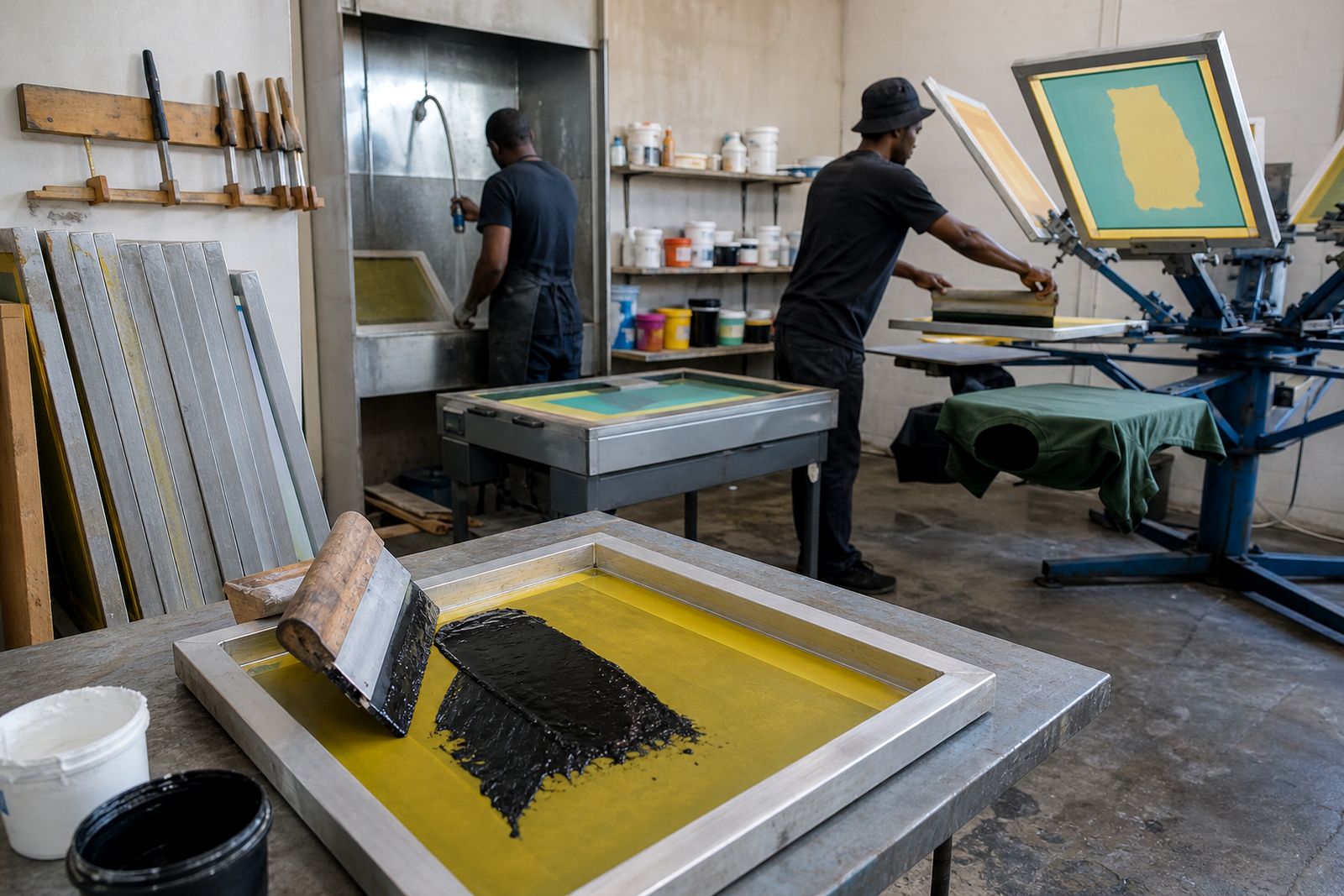
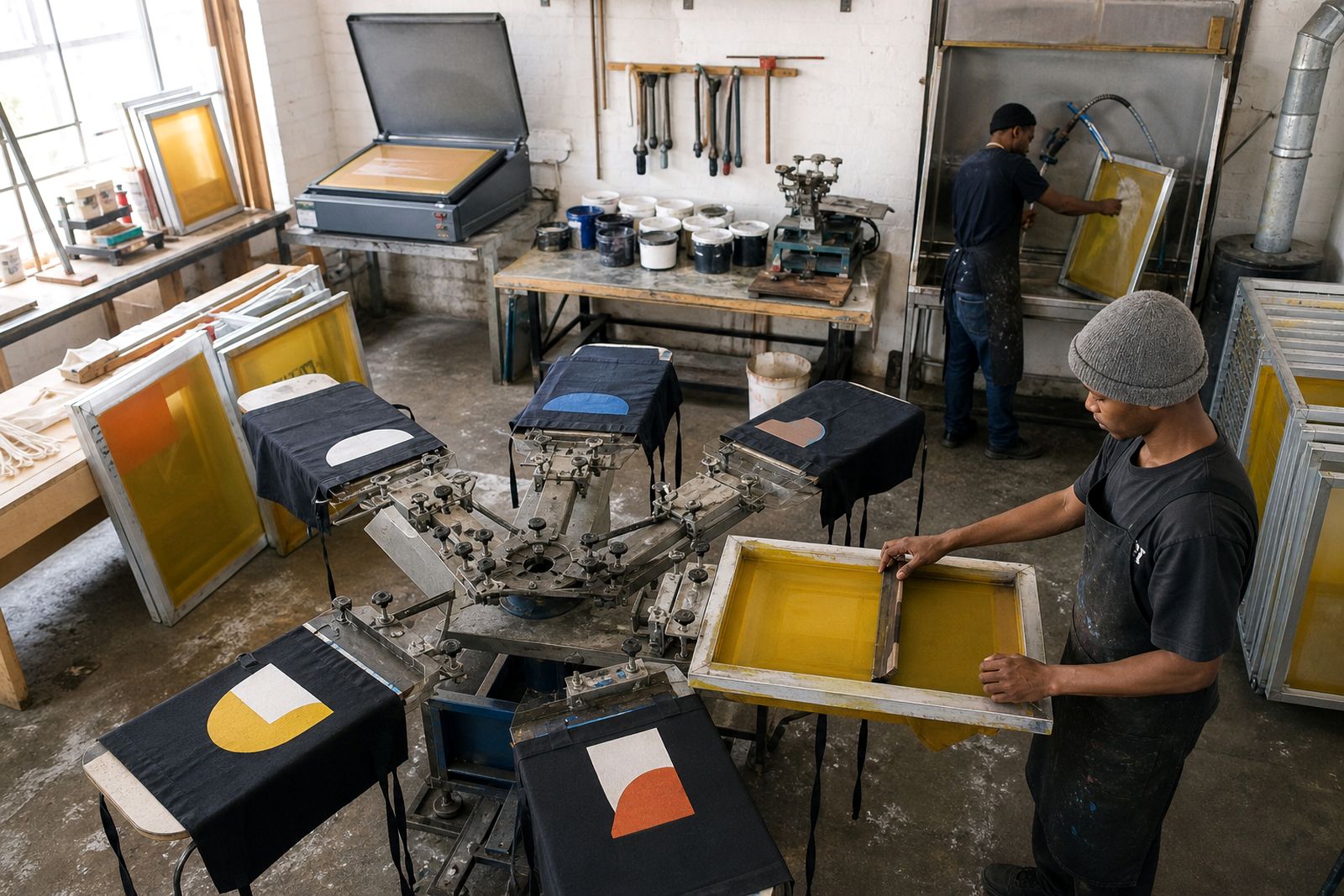
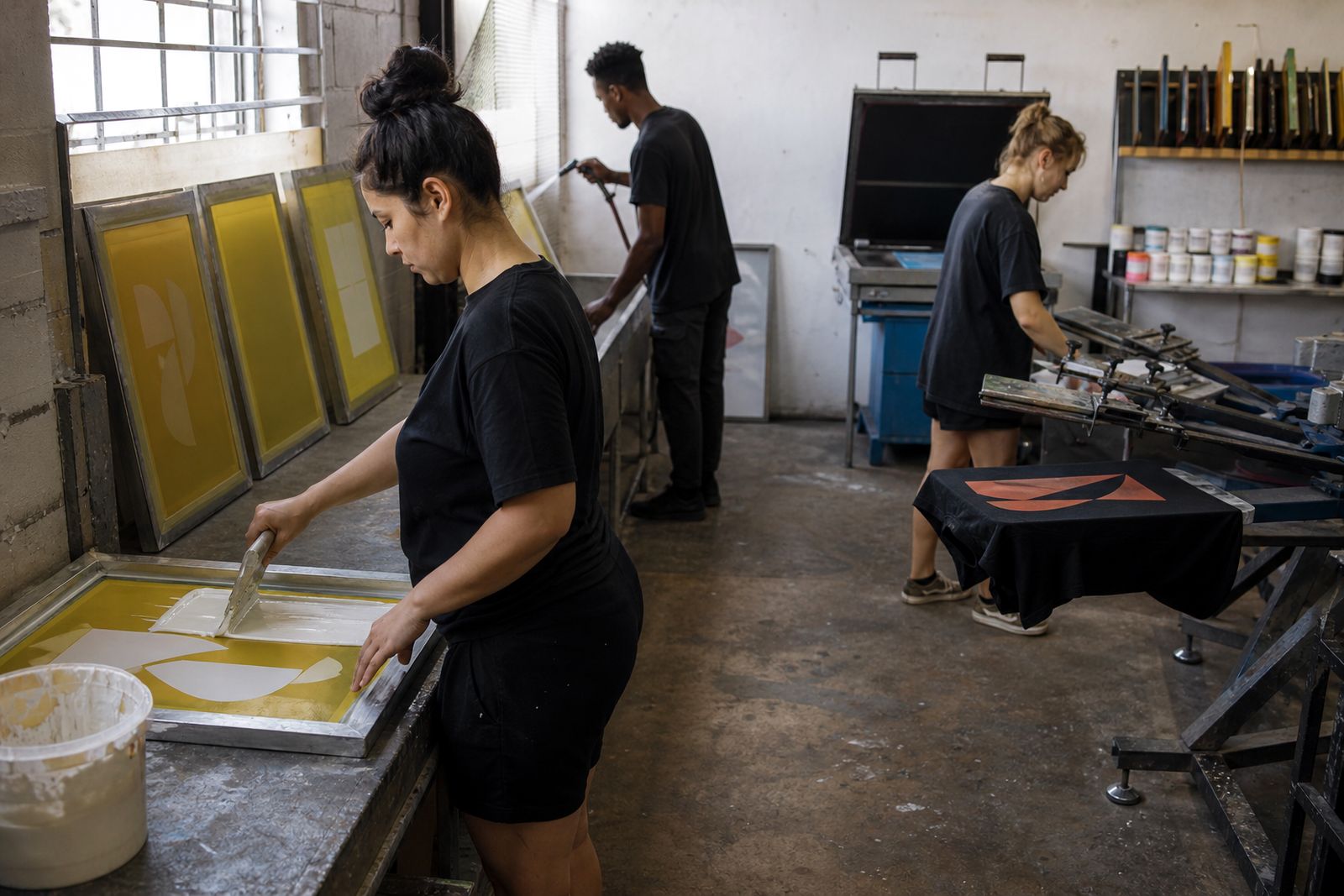
Tell us what you are printing
Send a note through our contact form with the inks and substrates you print, your mesh counts and frame sizes, your exposure unit and your town, and we will come back with practical advice and a quote.
Open the contact form