

FAQ
Common mesh, coat, and burn questions.
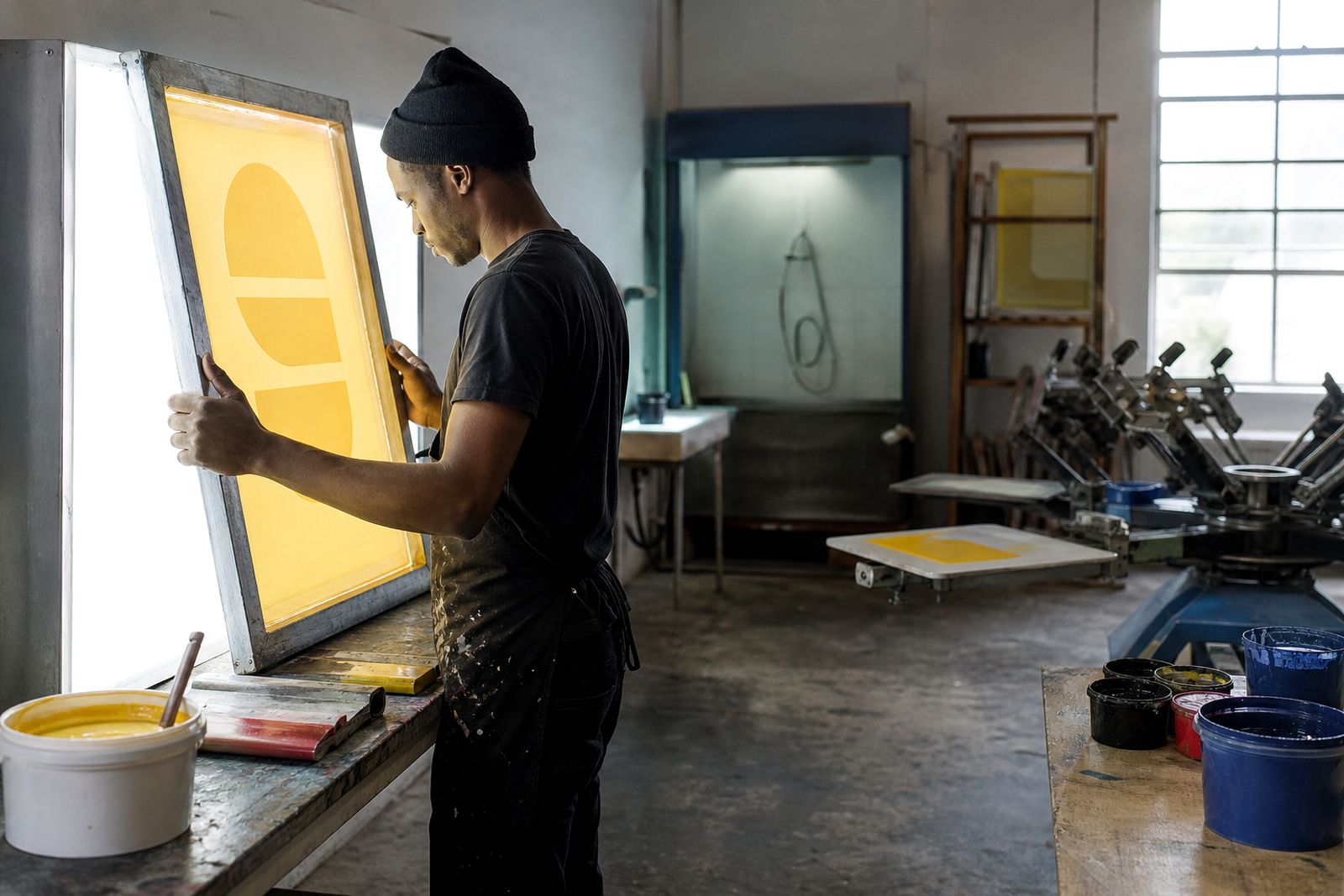
FAQ summary
Common mesh, coat, and burn questions.
If your question is not covered here, send it through our contact form. You can compare stencil grades under Stencils, check bundled consumables in Kits, or match count and thread diameter in Mesh before you order.
Most questions deal with artwork setup, mesh count choice, coating passes, and exposure tests for South African print rooms.
- State mesh count and frame size
- Add a photo of the exposed screen
- Include your city and print method
Download files are supplied in clearly named folders, with artwork versions kept separate from burn ready positives. Where a stencil pack has not been used, update requests are checked against the original brief and file scope. Replacement print room kits can be arranged for Johannesburg, Durban, and Cape Town collections.
What this FAQ covers
This FAQ answers common screen room questions around stencil choice, coating, exposure and washout for South African print shops. Use it as a quick guide when working with dual-cure, diazo or SBQ emulsions, or when you are switching between capillary film and liquid stencil work.
Good results start with the full set of details. If you send a query through the contact form, include:
- Emulsion or film used, and whether it is dual-cure, diazo, SBQ or capillary film
- Mesh count, mesh tension and frame type, whether aluminium or timber
- Exposure unit, exposure time and any lamp age concerns
- Ink system such as plastisol, waterbase or discharge
- What went wrong, for example soft detail, pinholes, haze, undercut edges or poor washout
- Photos of the screen, including the coated side, exposed image and washout result
If you are unsure, send site photos and a short note about the garment, poster or sign work you are doing. The team can help narrow down the cause before you change your coating, exposure or reclaim routine.
Common stencil checks
Most screen issues come down to a few repeat checks. Start with the mesh, then look at coating technique, drying, exposure and washout. A smoother scoop coat, even drying and the right exposure time usually matter more than guesswork.
For blocked detail, first check whether the artwork is fine enough for the mesh count and tension you are using. For pinholes, look at dust, poor drying or an uneven coating pass. For soft edges or undercutting, review exposure unit output, lamp age and whether the stencil was dry before burn.
If the screen is hard to reclaim, note whether haze is left behind after washout. That can point to under exposure, over exposure or reclaim cleaner that needs a longer working time. Coastal humidity in places like Durban can slow drying, while dry Highveld air can change how the emulsion lays down.
If power cuts affected your studio routine, say so clearly. Exposure timing, drying and washout can all shift when power interruptions interrupt the normal process.
When to send the job back for review
Send the details through the contact form when the screen will not hold detail after a clean coat and normal exposure, or when the same fault keeps returning across different jobs. It helps to say whether the issue appeared on the first screen or after several attempts.
Useful notes include:
- Printing method and artwork type
- Frame size and mesh count
- Exposure settings and any changes made after a test strip
- Washout result, including pinholes, haze or missing detail
- Reclaim steps used before the next burn
Screen Stencil works from a stencil studio in Salt River, Cape Town, and also welcomes enquiries through its showrooms in Tyger Valley, Clearwater, Cresta, Pavilion, Baywest, Mimosa and Riverside. If you need advice, ask for a quote through the contact form and include the practical details above.
What our Screen Stencil customers say
Verified Google reviews
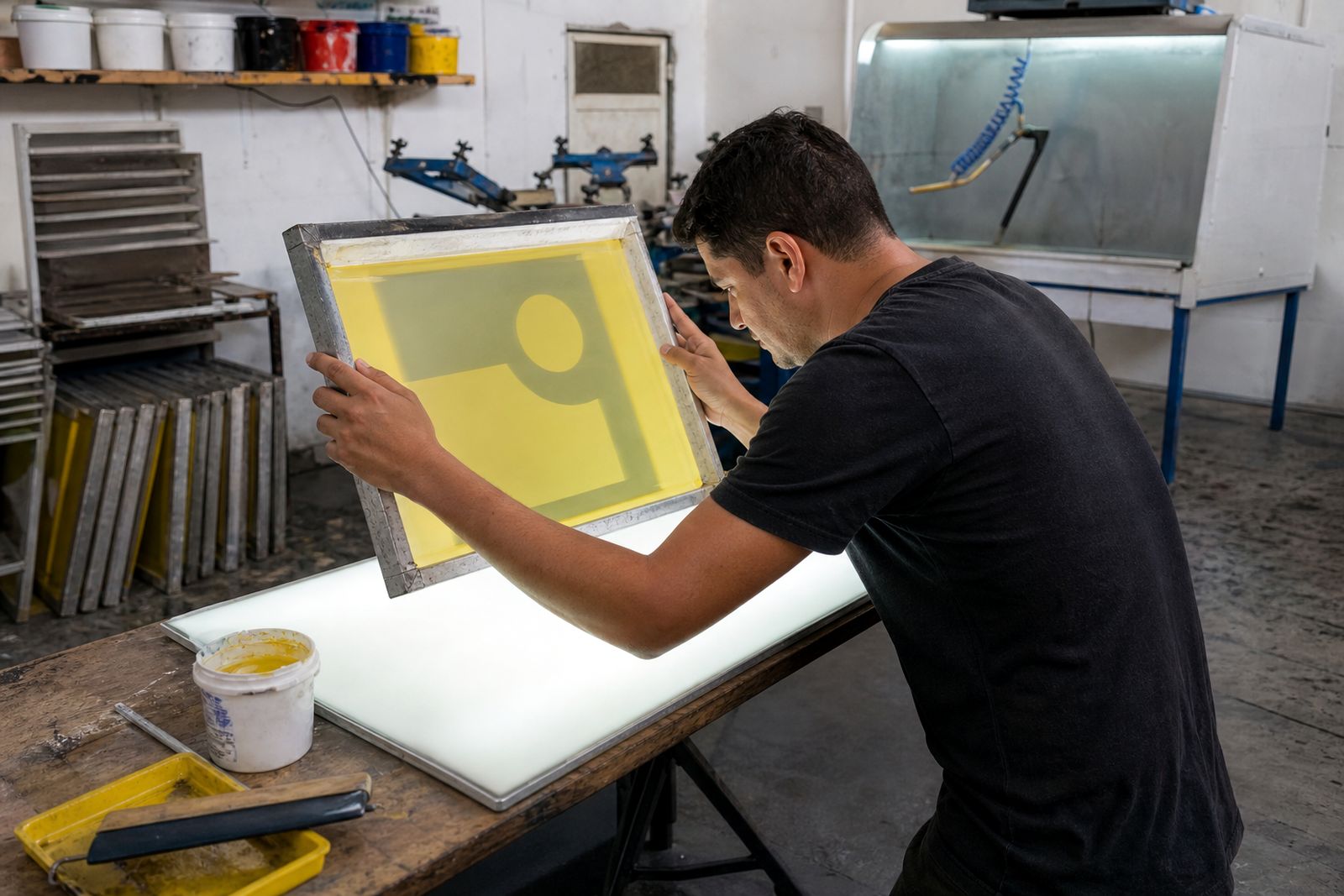
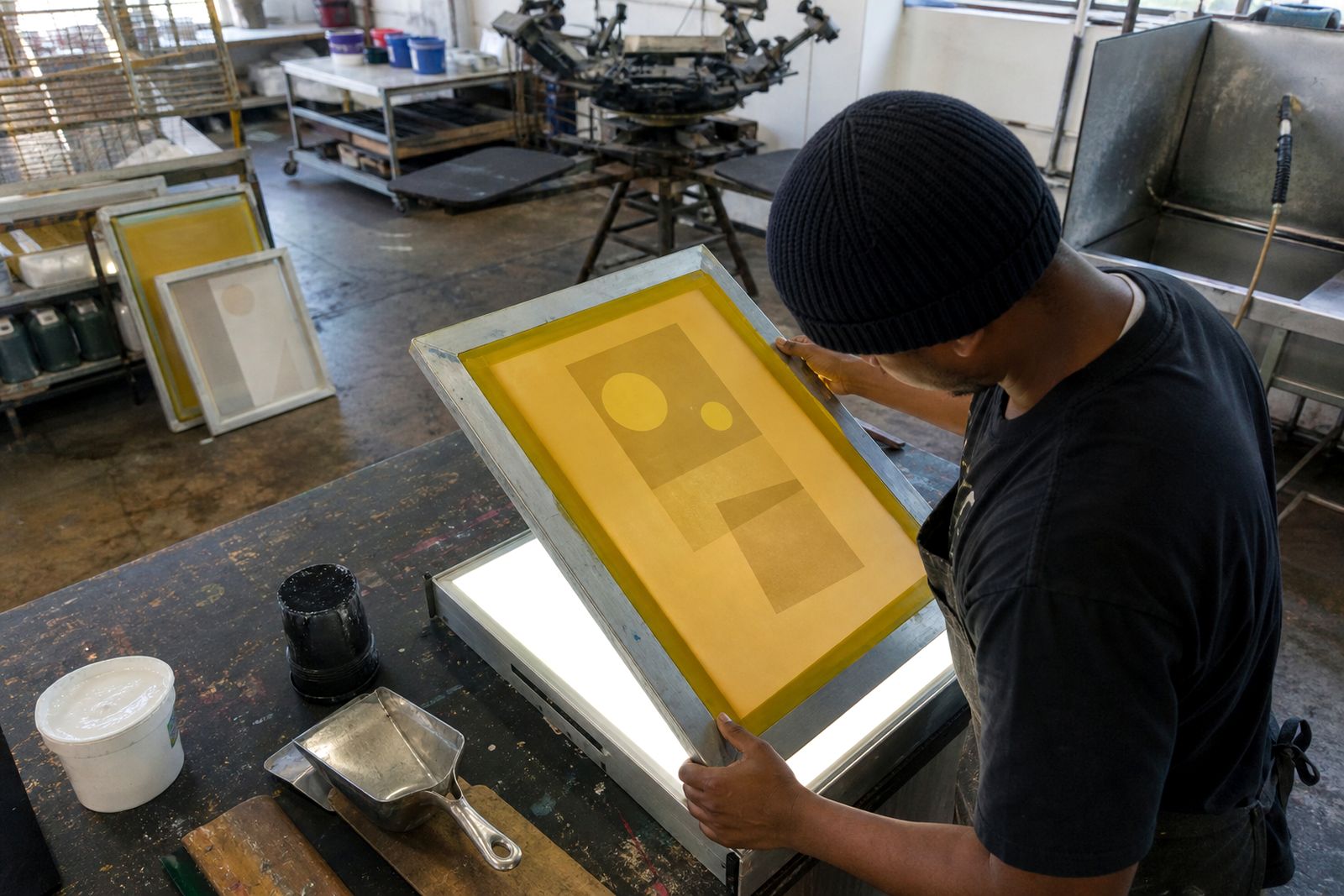
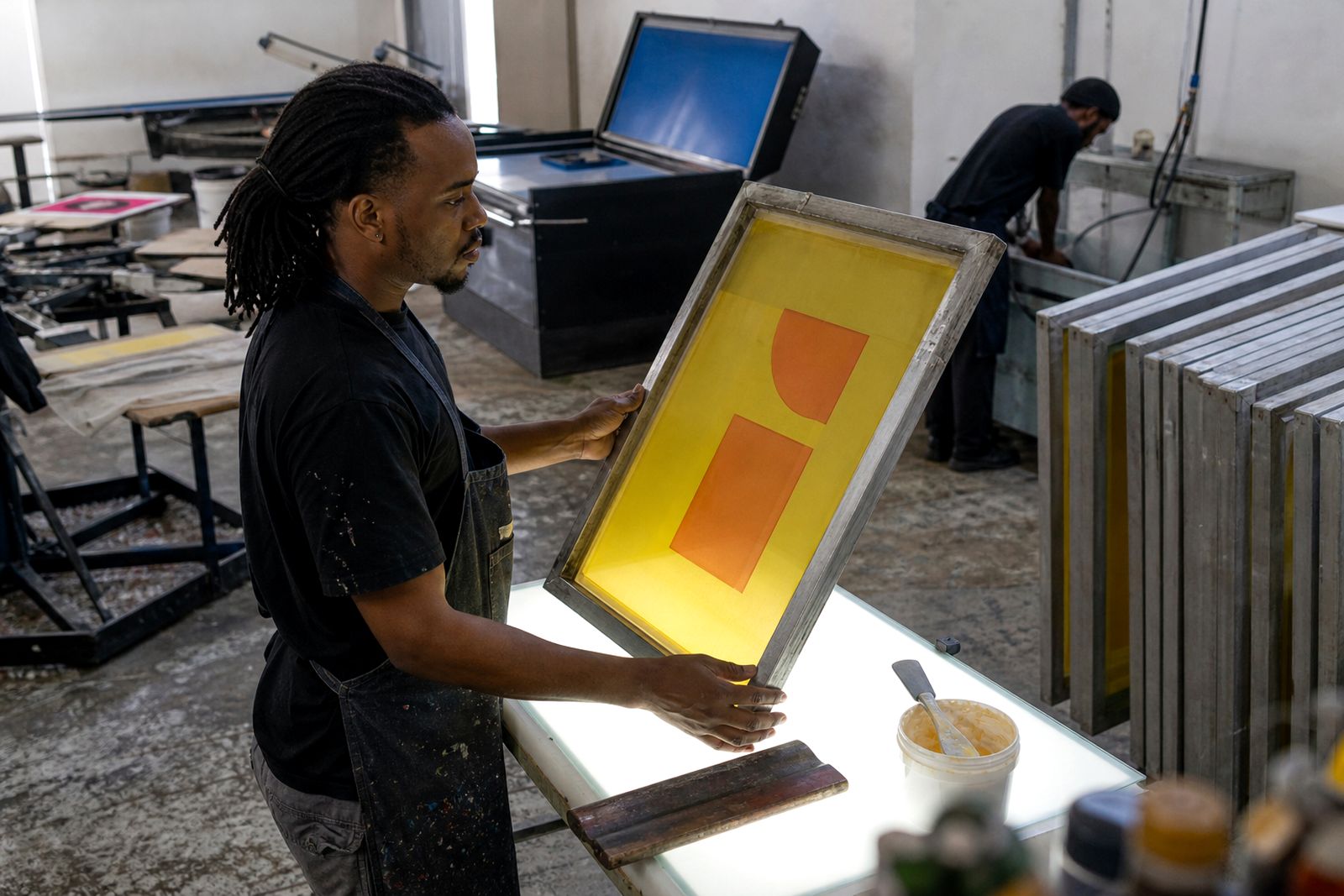
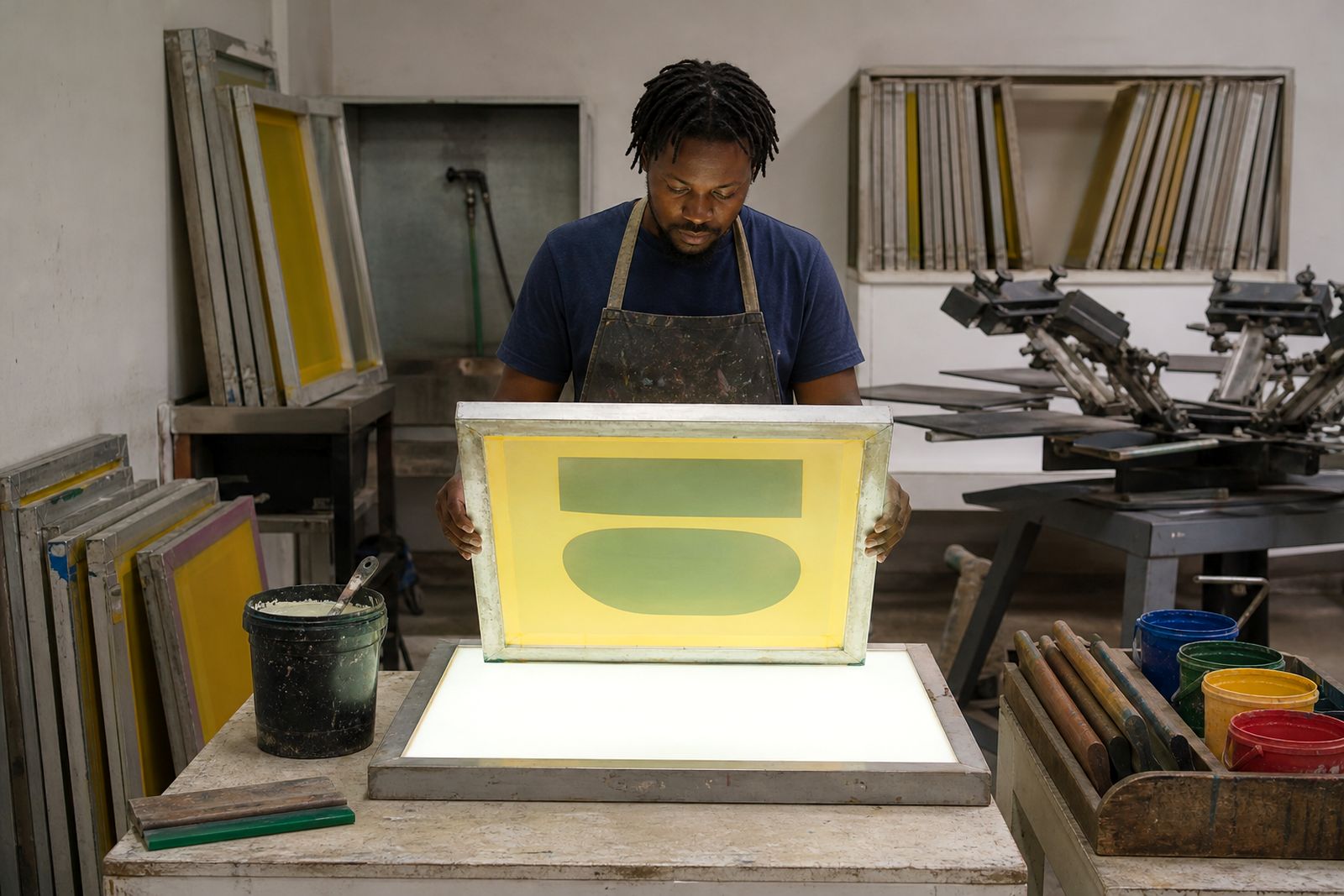
Tell us what you are printing
Send a note through our contact form with the inks and substrates you print, your mesh counts and frame sizes, your exposure unit and your town, and we will come back with practical advice and a quote.
Open the contact form