

Reclaim help
Soft reclaim coaching for night and teach rooms.
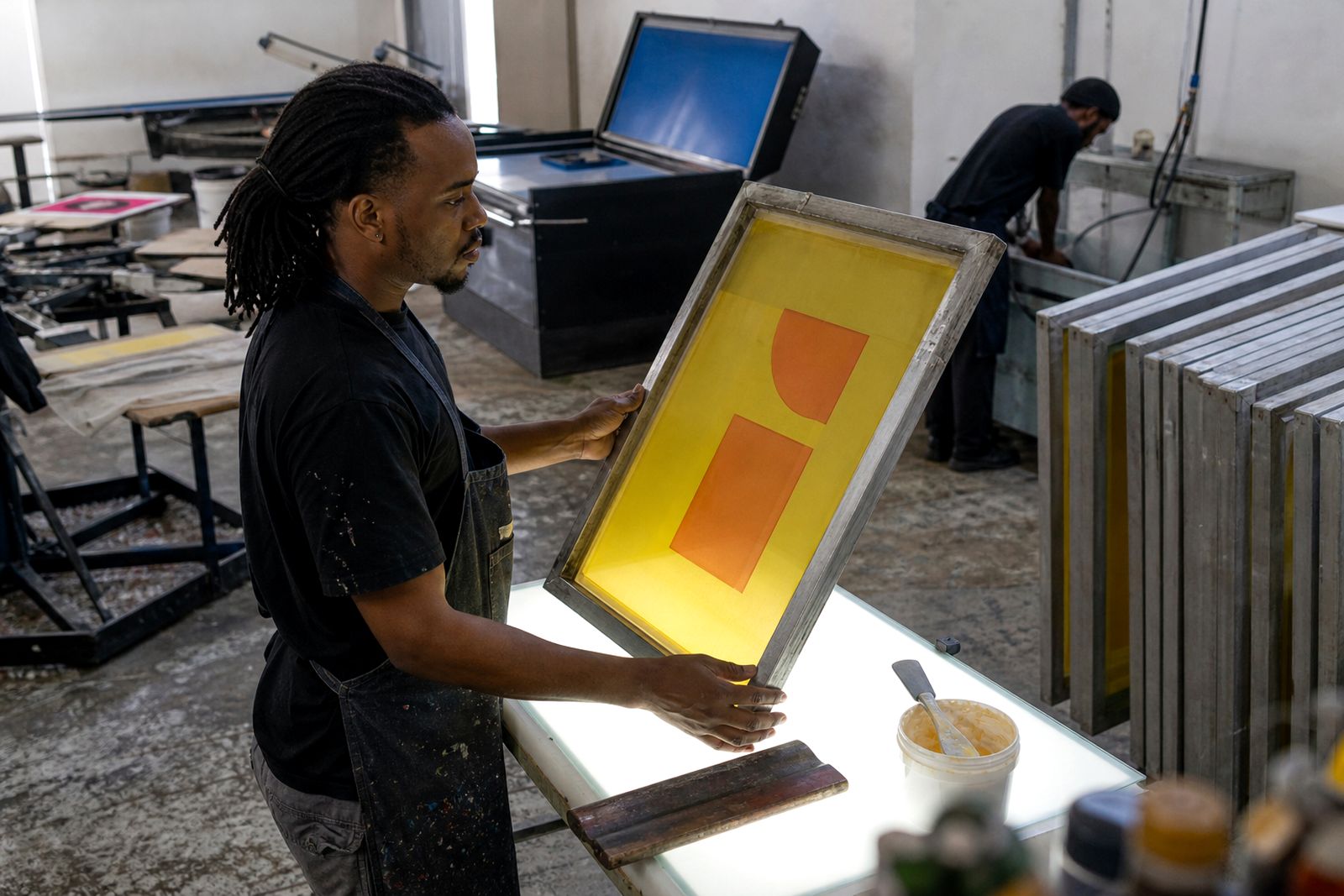
Reclaim help summary
Soft reclaim coaching for night and teach rooms.
Start with our contact form and tell us what is still sitting in the mesh after washout. While you gather photos, you can check Stencils, Kits, and Mesh to match the screen count and stencil system in your print room.
Reclaim help covers the full strip cycle, from ink removal and emulsion breakdown to haze checks before recoating. We look at mesh count, stencil build, squeegee side residue, pressure washer strength, and whether hard water is leaving mineral marks on the screen.
- State mesh count and frame size
- Send both print and squeegee side photos
- Add your city and reclaim stage
Useful details include the ink type, the remover used, and how long the stencil was left to dry before exposure. In Johannesburg and Pretoria, dry air can harden residue on neglected screens, while coastal rooms in Durban and Cape Town may fight humidity during degreasing and drying. Note any ghost image, pinholes, blocked knuckles, or patches where emulsion will not lift.
What to send with your support request
Start with the contact form and include the details that help the studio see what is happening in the screen room.
- Tell us whether you are working with dual-cure, diazo, or SBQ emulsion, or with capillary film.
- State the mesh count and, if known, the mesh tension and frame type, whether aluminium or timber.
- Share the exposure unit used, the exposure time, and whether the lamp is aging or the room was affected by power cuts.
- Note the ink system, such as plastisol, waterbase, or discharge, and whether the screen was used for garment, poster, or sign work.
- Describe what went wrong, such as soft stencil edges, pinholes, haze, poor washout, or residue that will not clear.
- Attach clear photos of the print side and squeegee side of the screen after washout.
If you are not sure where the issue began, send the exposure details anyway. That often shows whether the problem sits with coating, drying, exposure, or reclaim.
Practical checks before you strip again
Before reclaiming, look for the most common causes of stubborn residue. High humidity can slow drying in coastal rooms, while dry Highveld air can leave emulsion unevenly cured if the coating or drying stage was rushed.
- Check that the stencil was fully dry before exposure.
- Look at coating technique and scoop coater pressure for streaks or thin areas.
- Make sure the exposure unit is clean and the lamp is not past its useful life.
- Rinse promptly after exposure, then wash out with steady, even pressure.
- Watch for pinholes, ghost images, and haze before you recoating.
If the screen has been sitting for a while, tell us how long the emulsion or film stayed on the mesh. That helps us suggest the next step.
How the studio can help
Screen Stencil supports screen print rooms across South Africa from a stencil studio in Salt River, Cape Town, with showrooms in Tyger Valley, Clearwater, Cresta, Pavilion, Baywest, Mimosa, and Riverside. The discussion usually starts with the screen, the ink, and the exposure setup, then moves through washout, reclaim, and haze removal.
We can help you compare mesh counts, stencil systems, and reclaim methods for the job in hand. If you are working on garments, posters, or signs, mention the ink and the substrate so the advice matches the print room conditions. Ask for a quote through the contact form if you also need materials.
What our Screen Stencil customers say
Verified Google reviews
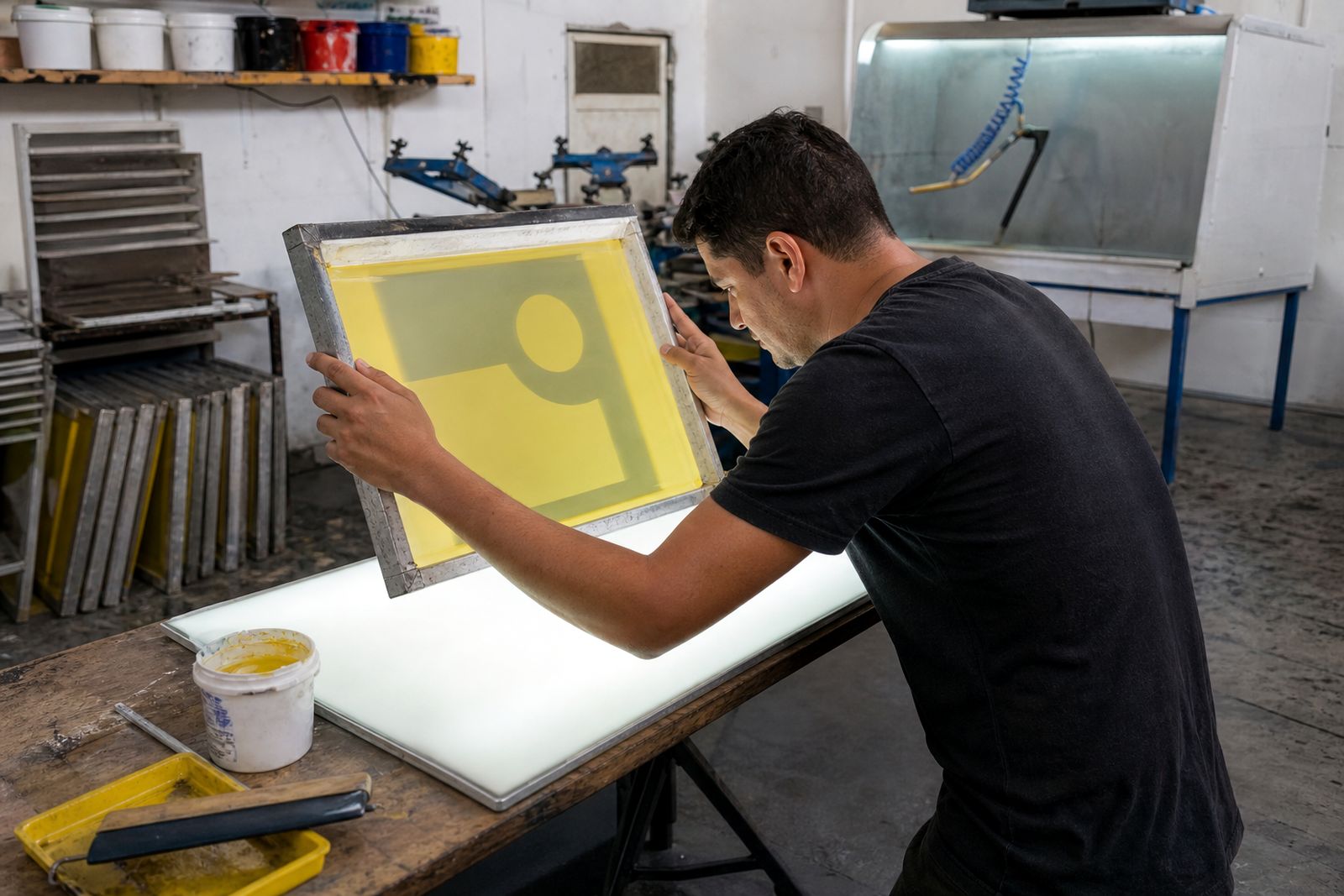
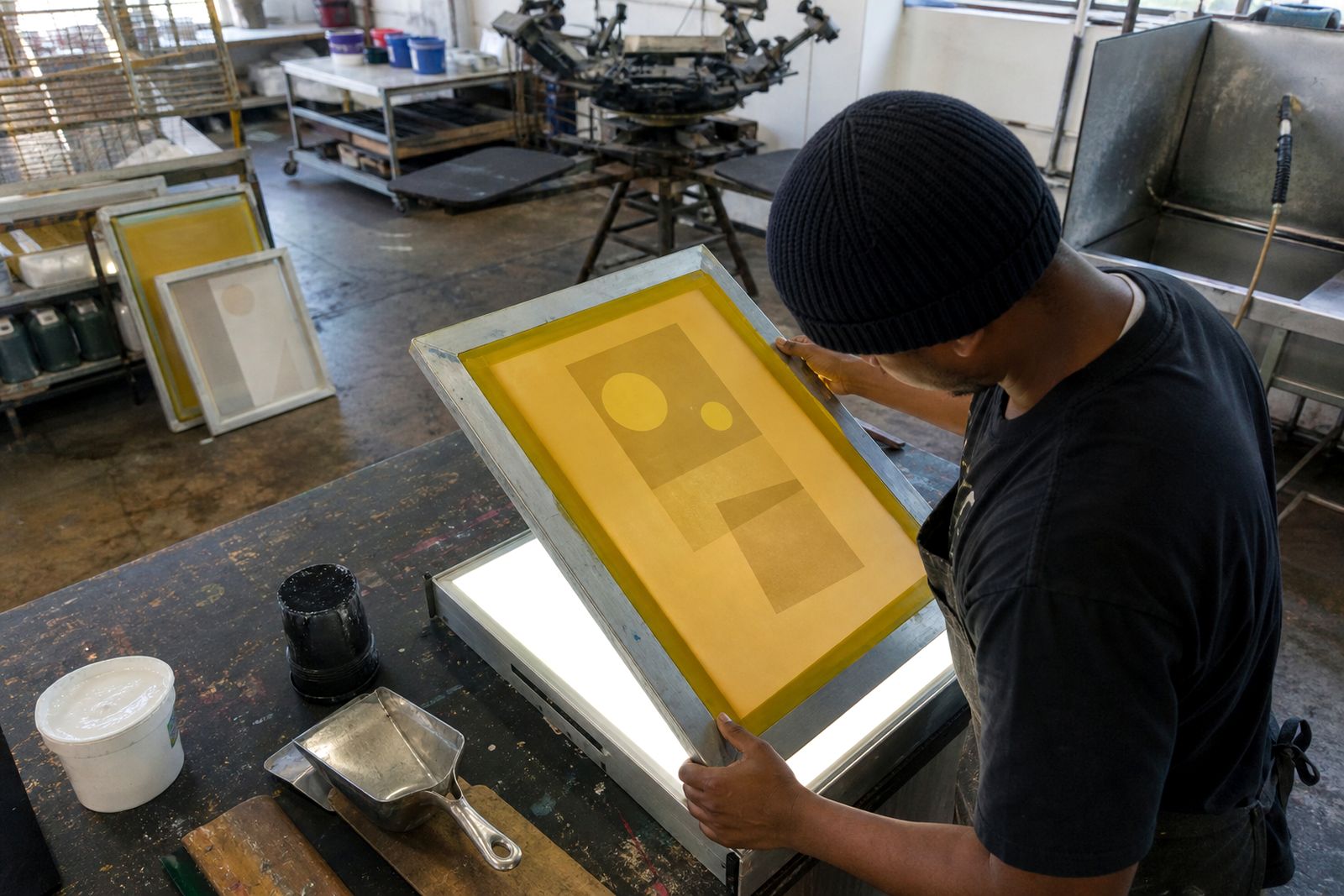
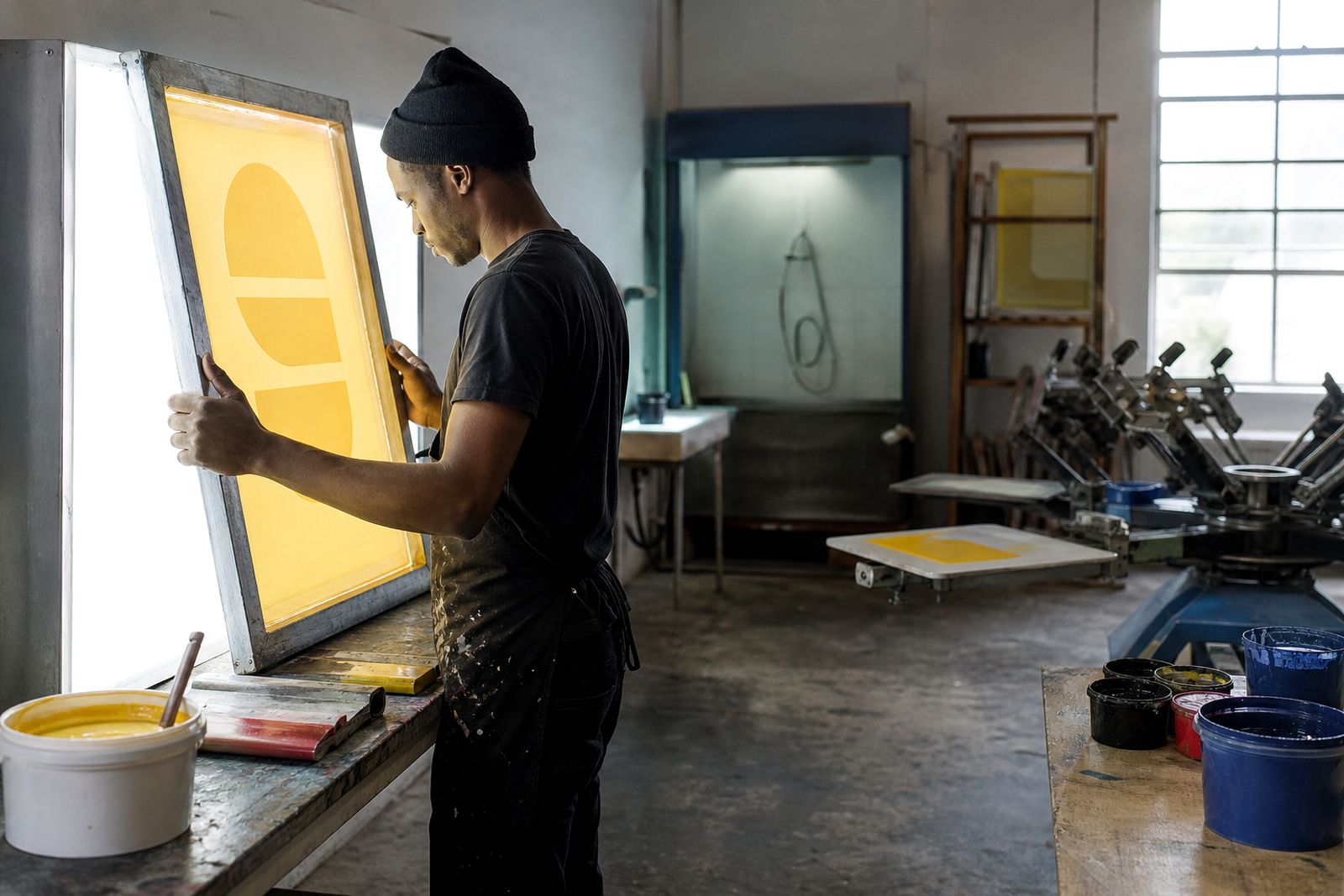
Tell us what you are printing
Send a note through our contact form with the inks and substrates you print, your mesh counts and frame sizes, your exposure unit and your town, and we will come back with practical advice and a quote.
Open the contact form