

Revisions
Revisions explain when to change a stencil note and when to start again after coating or burn issues.
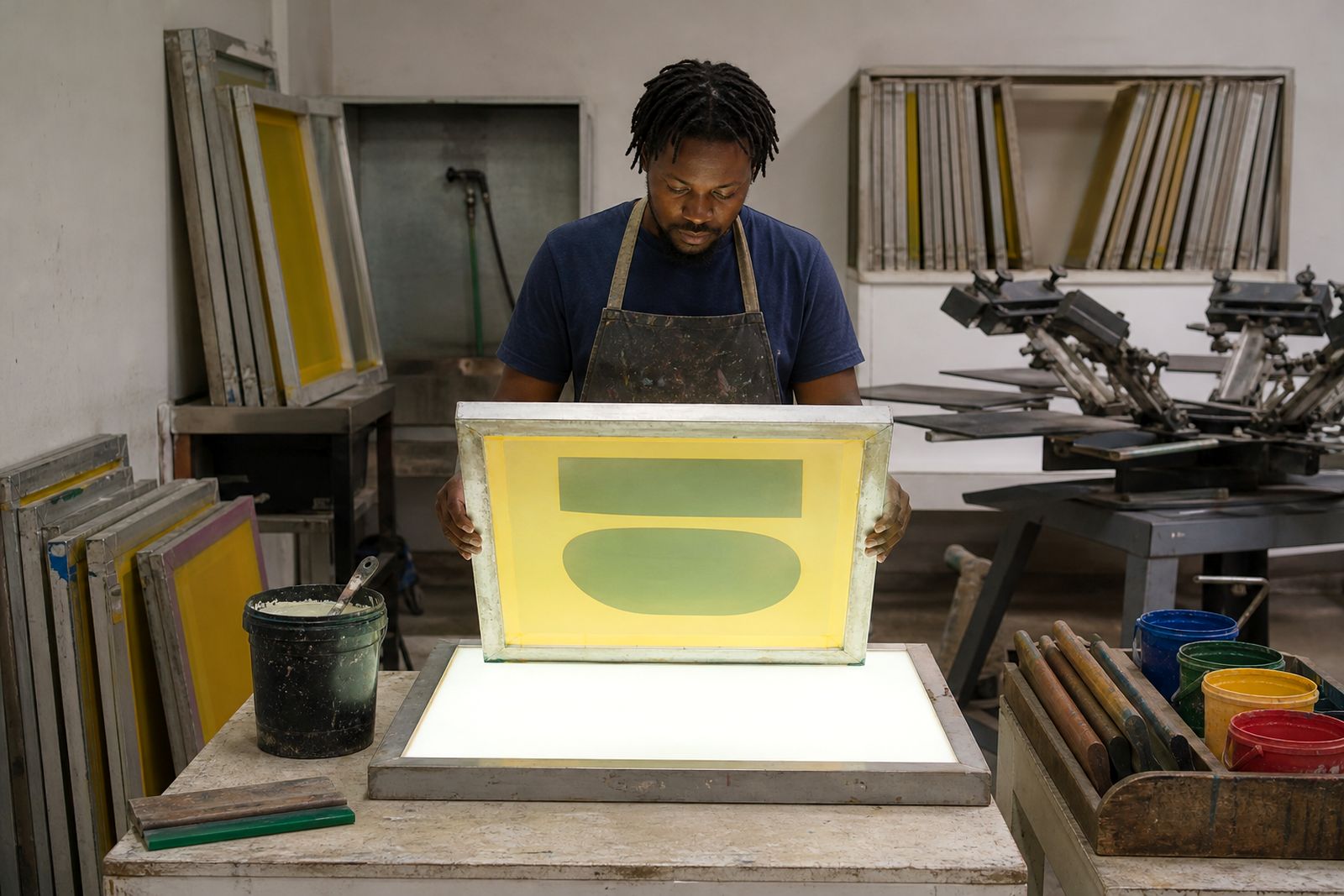
Revision summary
When to revise or restart a coat.
To request a revision on a screen or stencil file, send the details through our contact form. You can compare options in Stencils, check replacement sets in Kits, or match count and tension requirements under Mesh before sending notes.
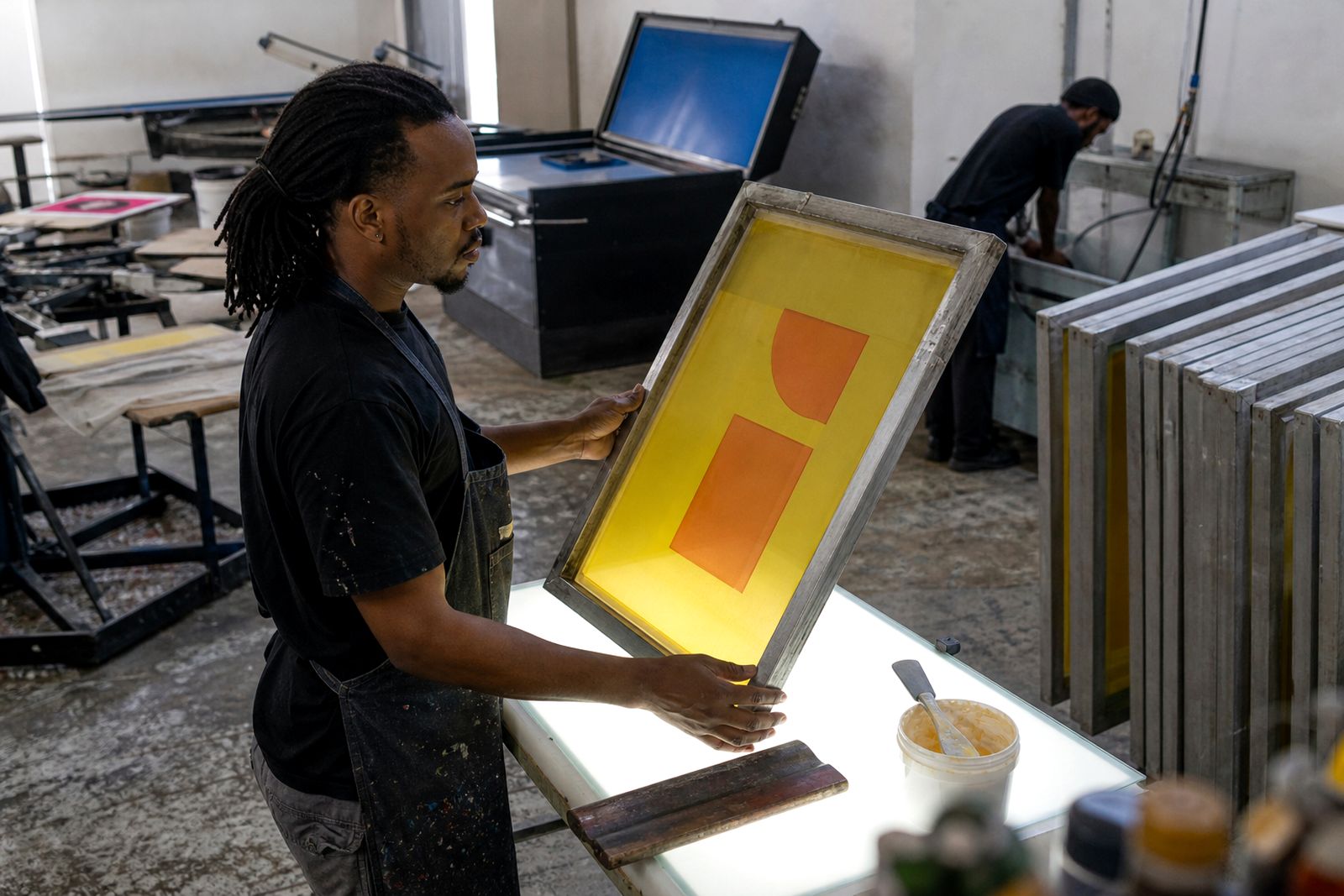
Revision requests should state what changed on press, not only what looks wrong on screen. We review line breaks, trapped corners, mesh suitability, and whether a fresh coat is better after pinholes, edge lift, or undercutting during exposure.
- State file name and screen size
- Add a lit photo of print faults
- Include city, mesh count, emulsion used
For revised files, keep each version in a clearly named folder with the print size, colour count, and mesh note. Durban humidity, inland dust, and coastal salt air can affect coats and exposure, so note your print room conditions when a screen is being adjusted instead of remade. If a kit needs a replacement printout for checking, list Johannesburg, Durban, or Cape Town delivery details with the request.
What to send with a revision request
If a coat needs a small revision, send clear notes through the contact form so support can see whether the screen can be adjusted or whether it should be remade. Keep the notes tied to what happened on press, not only to what you can see on the mesh.
- Emulsion or film used, such as dual-cure, diazo, SBQ photopolymer emulsion, or capillary film
- Mesh count and tension, plus whether the frame is aluminium or timber
- Exposure unit and time, and if lamp age or power cuts affected timing
- Ink system, for example plastisol, waterbase, or discharge
- What went wrong, such as pinholes, edge lift, undercutting, washout trouble, haze, or poor detail
- Photos of the screen and a lit photo of the print fault if you have one
If you are working in coastal humidity, inland dust, or dry Highveld air, include that too, because room conditions can change exposure and reclaim results.
When a revision is usually enough
A revision can often help when the artwork is sound but one part of the screen needs tidying. That may include a broken fine line, a small trap that failed, a weak corner, or a patch of haze that is affecting detail.
It also helps to mention whether the issue started during coating, exposure, washout, or reclaim. A clean note about the stage of failure makes it easier to decide whether the fix is a revised screen or a fresh coat. If you used a scoop coater, mention your coating technique and whether the screen dried evenly before exposure.
For garment, poster, and sign work, even small changes in mesh choice or tension can affect how a revised screen holds detail. If you need to compare support material, see Mesh or Screens.
When to restart the coat
Sometimes a revision will not hold, especially after repeated pinholes, undercutting, heavy haze, or washout damage. In those cases, a fresh coat is usually the safer option.
- The exposure was compromised by lamp age or an uneven unit
- The coating dried unevenly and left weak edges or streaks
- The screen shows recurring pinholes after touch-up
- Reclaim was rushed and haze is still visible
- The print room conditions changed because of humidity or power cuts
Send site photos and a short note through the contact form, then ask for a quote if you need replacement materials or a new setup. If you are comparing options for a new stencil approach, the team can also talk through emulsions, mesh, and coating choices from the Salt River studio or any of the showrooms in Tyger Valley, Clearwater, Cresta, Pavilion, Baywest, Mimosa, or Riverside.
What our Screen Stencil customers say
Verified Google reviews
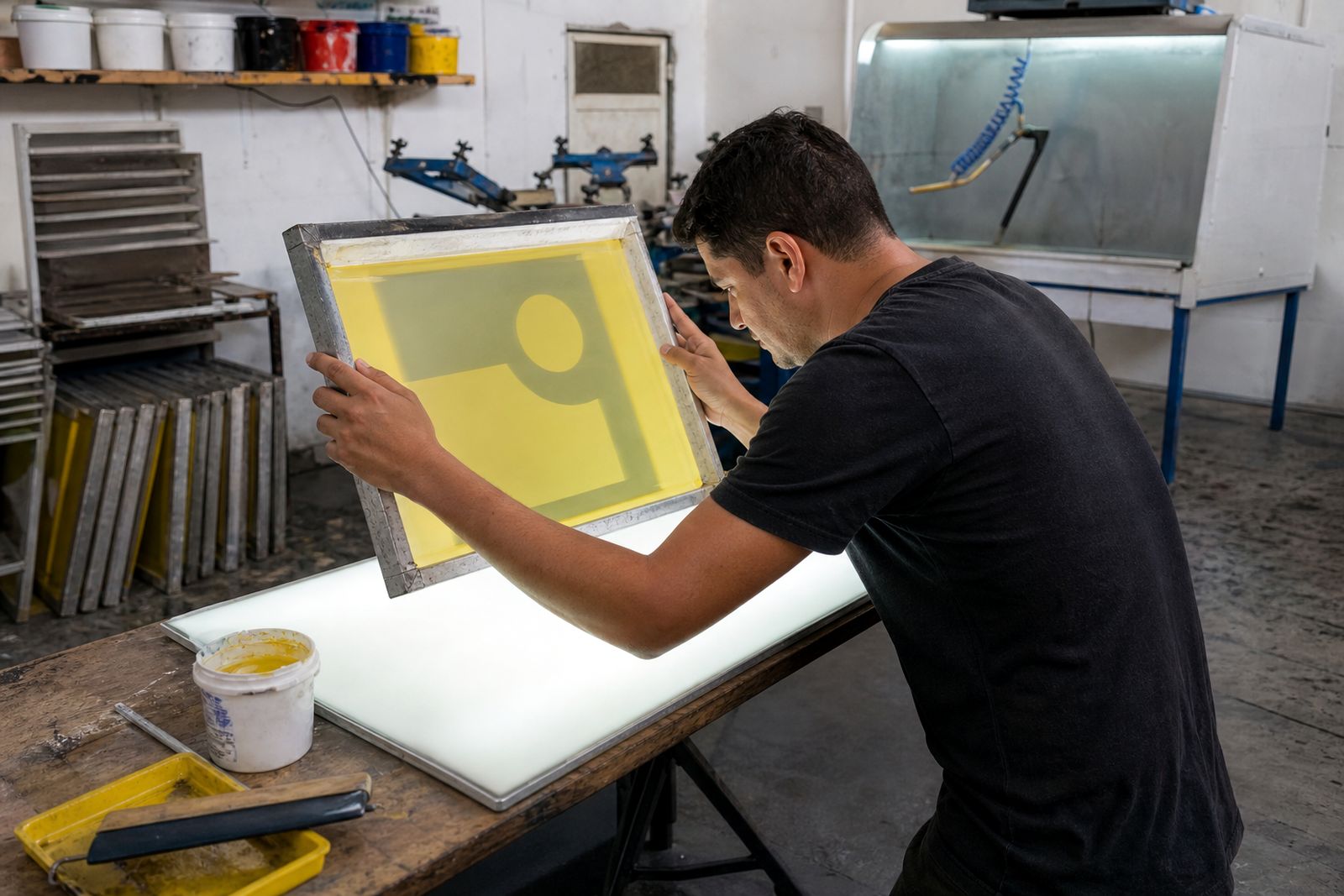
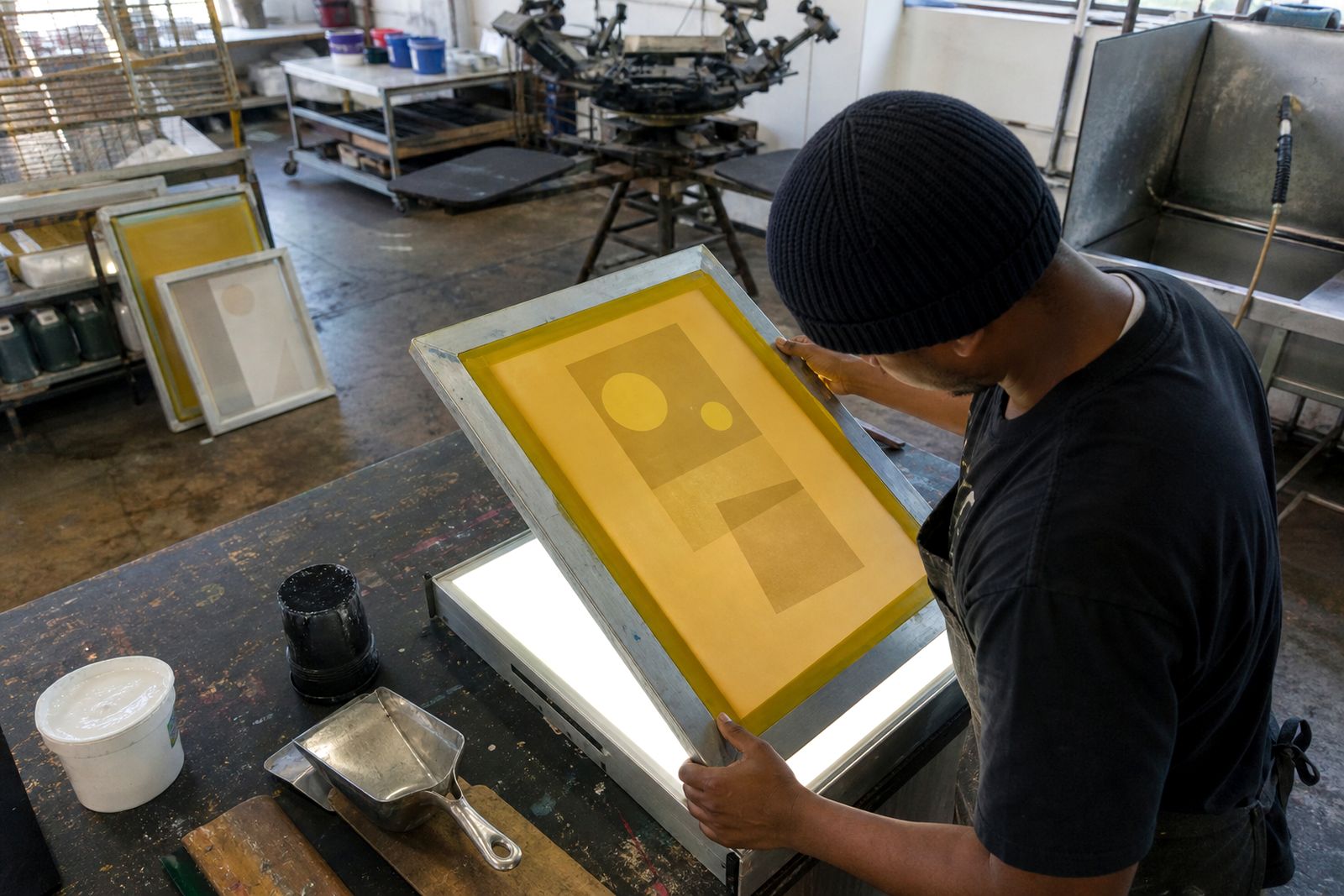
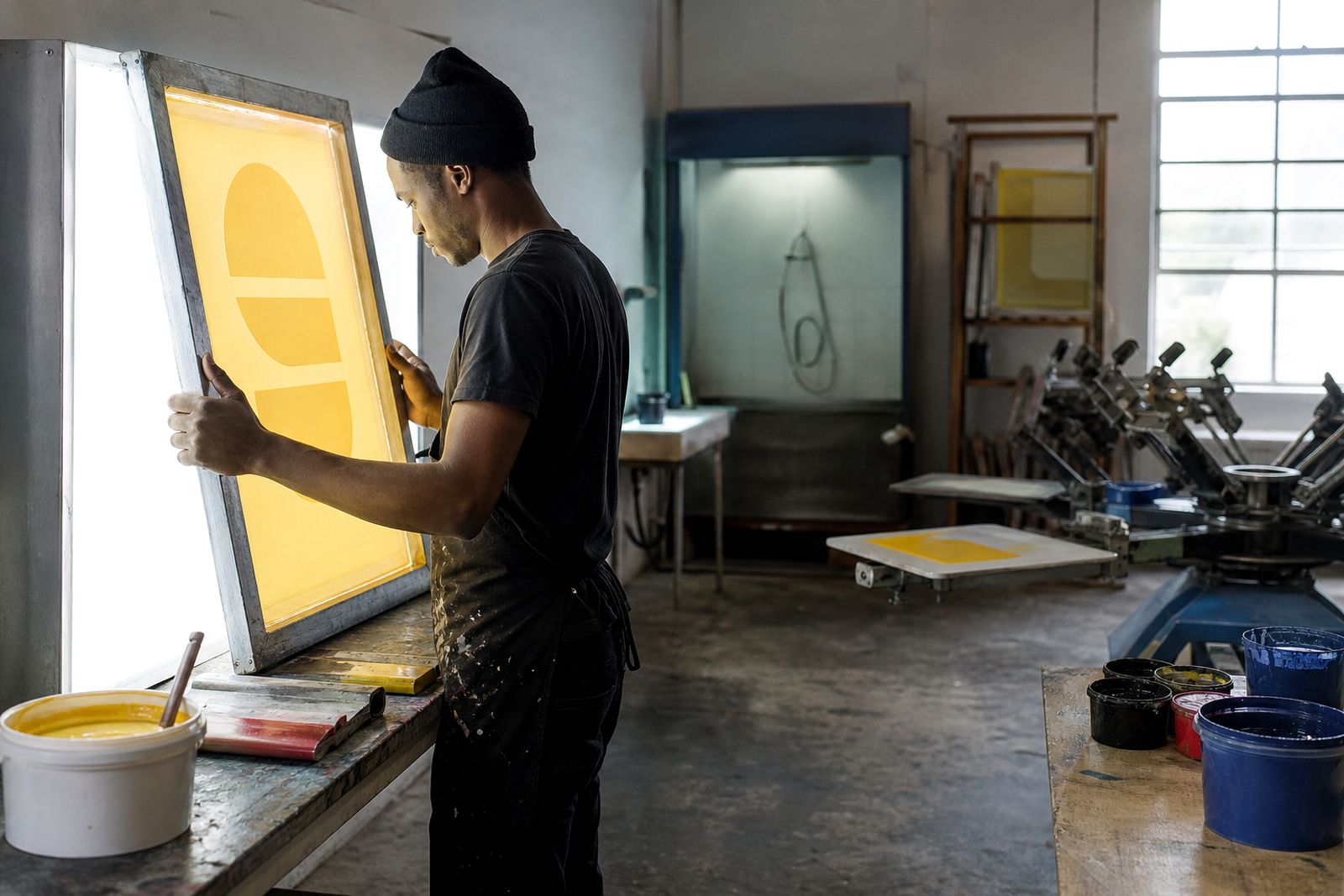
Tell us what you are printing
Send a note through our contact form with the inks and substrates you print, your mesh counts and frame sizes, your exposure unit and your town, and we will come back with practical advice and a quote.
Open the contact form